

It was a typical Saturday morning—me, my energetic pup Bella, and a heavy laundry basket I had overlooked. As I bent down to lift her leash, a sudden twinge shot through my lower back. I winced, realizing that my careful attempt was far from perfect. Have you ever experienced that sharp, unexpected pain after squatting the wrong way to grab your dog? If so, you’re not alone. Many dog owners struggle with maintaining mobility and avoiding injury when their furry friends need help getting up or down.
Why Picking Up Your Dog Can Turn Into a Back Nightmare
Every pet owner can relate to the instinct to scoop up or lift their dog—whether they’re helping a senior pup or managing a playful pup’s enthusiasm. But here’s the harsh truth: without proper technique, those moments of love and support can subtly wreck your back. Poor lifting habits lead to strain, muscle imbalance, and even long-term discomfort.
The good news? I’ve been there, made my share of mistakes early on, and now I can confidently tell you that there’s a safer, smarter way. Today, we’re going to explore practical, neighborly advice to help you pick up your dog without risking your back health. Trust me, it’s about small adjustments that make a world of difference. If this sounds familiar, stick around—I promise, relief is closer than you think.
Is It Really That Dangerous to Lift Your Dog the Wrong Way?
Initially, I thought tossing my dog onto the couch was harmless. But I ignored the subtle signs of strain—tightening shoulders, recurring aches. It wasn’t until I learned about the importance of proper lifting techniques and spinal adjustments that I realized how careless habits can snowball into chronic pain. An authoritative study highlights that improper lifting is a leading cause of back injuries among adults, especially during routine activities like lifting pets (source: more here).
Now, I always remind fellow dog lovers: it’s not just about strength, but about technique and awareness. Ready to learn the neighborly tips that kept me pain-free and energized? Let’s dive into some foundational strategies. But first, do you often find yourself strained after lifting your dog? If yes, you’re in the right place—because what comes next could change your routine forever.
Position Your Body Properly Before Lifting
Stand close to your dog with your feet shoulder-width apart, ensuring a stable base, much like preparing a balanced foundation before a building. Keep your back straight, engaging your core, which acts as the central pillar supporting your entire structure. For example, I recall a time when I was about to lift Bella from the ground; I kept my feet firm, bent at the hips and knees, not the waist, similar to how a chair lowers smoothly without tilting.
Engage Your Core Like a Natural Brace
Think of your core muscles as a built-in safety belt around your spine. When you engage them properly, you create a bracing effect that prevents your back from twisting or overextending—akin to tightening a belt to hold everything firmly in place. I learned this trick during a quick lift when I consciously sucked in my stomach and contracted my abdominal muscles; not only did it feel more stable, but I also avoided any strain.
Use Your Legs Instead of Your Back
Imagine your legs as powerful hydraulic pistons that do the heavy lifting. As you bend your knees and hips—similar to sitting back into a chair—you minimize stress on your spine. Once, I attempted to lift Bella with a rounded back; I immediately felt discomfort. Then, I corrected my stance, pushed through my heels, and drove upward with my legs, which made the process effortless and pain-free.
Keep the Dog Close to Your Body
Hold your dog snugly against your abdomen, like a backpack packed for a trip. This reduces lever arms and distributes weight evenly, decreasing strain. I remember a time when Bella got excited and pulled away; by securing her close, I maintained control and avoided sudden jerks that could harm my back. This principle mirrors how carrying a heavy bag closer to your center reduces pressure on your shoulders and back.
Move Smoothly, Avoiding Jerks
Think of lifting as a slow dance rather than a quick jerk. Smooth, coordinated movements prevent muscle tears and joint stress. Once, hurriedly picking Bella up resulted in a twinge. Afterwards, I practiced slow, deliberate lifts, which felt empowering and kept me injury-free. Remember, abrupt motions are the enemy of spinal health.
Practice Regular Mobility Exercises
Enhance your flexibility and strength through mobility drills—these act like routine tune-ups for your body’s engine. Engaging in targeted movements, such as hip hinges and shoulder rolls, can significantly improve your lifting safety. I integrated mobility exercises from these routines, noticing a marked reduction in discomfort during daily activities, including dog walks and lifts.
Seek Chiropractic Adjustments if Pain Persists
If you notice lingering soreness or misalignment after practicing these techniques, consider professional help. Chiropractic adjustments can restore proper spinal function, much like realigning the wheels on a crooked cart—restoring smooth operation. I visited my chiropractor after a week of improper lifting, and the relief was immediate; you can learn more about how adjustments benefit posture here.
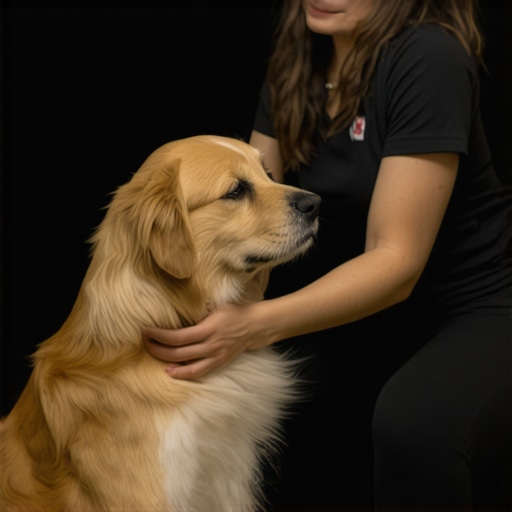 Many people assume that simply stretching or cracking your back is enough to maintain good mobility, but that view overlooks critical nuances. A prevalent misconception is that chiropractic adjustments provide instant, permanent fixes; however, recent research indicates that their benefits are often best sustained when combined with daily mobility exercises and proper posture habits. For instance, a study published in the _Journal of Manipulative and Physiological Therapeutics_ emphasizes that ongoing self-care practices significantly enhance the longevity of adjustments (source: here).Maintaining your mobility, posture, and overall spinal health isn’t a one-and-done effort; it requires consistent, targeted tools and techniques. I personally rely on a combination of ergonomic equipment, proven mobility routines, and professional care to ensure my body remains resilient. For example, using a high-quality foam roller like the TriggerPoint GRID Sport helps me release muscle tension, particularly in my back and hips, after long days of work or lifting my dog. I also incorporate resistance bands from brands like TheraBand, which allow me to engage in self-guided mobility exercises that strengthen stabilizers and improve joint flexibility, directly supporting my chiropractic adjustments.
In terms of software, I utilize mobility tracking apps such as ‘MobilityWOD’ to monitor my progress and stay accountable. These apps provide guided routines and reminders, making it easier to adhere to daily mobility habits. Setting routine alerts ensures I don’t neglect my stretching and strengthening exercises, which are crucial for long-term success.
Moreover, investing in a desk setup with ergonomic features—like adjustable monitor arms, lumbar support cushions, and an ergonomic chair—makes a significant difference. I personally upgraded to a standing desk with a sit-stand converter, which allows me to alternate positions throughout the day, reducing strain and preventing stiffness. This simple change aligns with research indicating that active sitting and standing can markedly improve posture and reduce back pain (source:here).
Looking ahead, I believe the trend will move increasingly towards smart, integrated health tools that sync with your posture and movement data. Wearables like posture correction sensors or smart shirts are becoming more sophisticated, offering real-time feedback and personalized recommendations. These advancements will empower us to proactively address issues before discomfort becomes chronic.
### How do I keep my mobility and posture habits sustainable over time?
The key is consistent, intentional practice combined with reliable tools. Set daily routines, leverage the right equipment, and don’t hesitate to seek professional chiropractic adjustments when needed—this is essential for maintaining progress. I recommend trying the advanced technique of using resistance bands for integrated shoulder and hip mobility drills to build resilience and prevent injury. Regularly reviewing your setup and habits ensures your routines adapt as your body changes, securing long-term health and mobility. For more on optimizing your posture and preventing setbacks, visit this resource.Throughout this journey, I’ve realized that many of the pitfalls I faced stemmed from a lack of awareness and inconsistent habits. One of the hardest lessons was understanding that proper lifting isn’t just a matter of strength but technique—something I underestimated early on. I also learned that regular mobility exercises act as a safeguard, much like routine maintenance keeps a vehicle running smoothly. Finally, I discovered that seeking professional help shouldn’t be seen as a sign of weakness but as a proactive step to maintain spinal health and prevent future pain. Incorporating these insights has transformed my approach, making me more confident, resilient, and pain-free in caring for my beloved Bella and myself.