
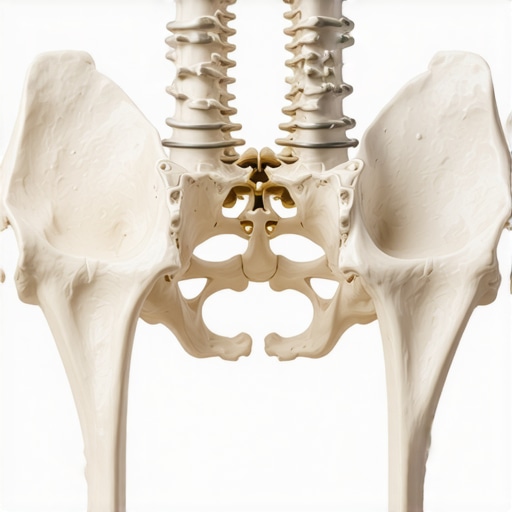
I remember the exact moment I realized my pelvis wasn’t as straight as I thought. I was in the gym, trying to get rid of persistent lower back pain, and after a few tweaks and adjustments, I still felt off. It wasn’t just a muscle ache anymore; it was a deep, unsettling imbalance that affected my every move. That “lightbulb” moment led me down a rabbit hole of questioning everything I thought I knew about posture and body alignment.
Why Knowing Your Pelvis Position Changes Everything
If you’ve ever felt persistent hip soreness, lower back tension, or even uneven wear on your shoes, chances are, your pelvis might be out of alignment. And here’s the kicker—most people have no idea how to tell if their pelvis is rotated or how this subtle misalignment could be impacting their overall health and mobility. When I first learned about pelvic rotation, I was surprised to find that many of my daily discomforts could be linked directly to this misalignment.
Is Pelvic Rotation Really Worth All the Fuss?
Early on, I made a common mistake: I ignored small asymmetries, dismissing them as normal or unimportant. I thought, “It’s just how I stand.” But ignoring these signs only worsened my posture issues. Scientific research backs this up—chiropractic experts note that pelvic misalignments can lead to chronic pain and decreased mobility if left uncorrected (check this guide for more info). So, understanding whether your pelvis is rotated isn’t just about aesthetics; it’s about maintaining your body’s functional integrity.
Assess Your Pelvic Position
Start by identifying whether your pelvis is rotated or tilted. Stand in front of a mirror, and observe your hip levels. Do one side appear higher or more anterior than the other? To get a clearer picture, you can perform a simple self-test: lie on your back and check if one hip seems more prominent. Remember, small asymmetries are common, but consistent misalignments warrant further attention. As I experienced, discovering my uneven hips was the first step toward correcting my posture.
Learn Corrective Movements
Targeted mobility exercises are essential. Incorporate hip tilts, bridges, and pelvic clocks into your routine. For example, lie on your back with knees bent, feet flat, and gently tilt your pelvis to flatten your lower back against the floor. Hold for a few seconds and repeat. These movements help reset your pelvic alignment. During my own practice, I dedicated five minutes daily to pelvic tilts and noticed a gradual reduction in discomfort. Consistency is key. For a comprehensive list, check out mobility exercises.
Implement Specific Chiropractic Adjustments
While exercises are vital, professional adjustments can accelerate realignment. A chiropractor uses precise, controlled force to correct vertebral and pelvic misalignments, akin to recalibrating a crooked picture frame. In practice, I scheduled a session after a week of daily exercises, and the results were noticeable—the uneven hips became more balanced, and my back pain diminished. To learn more about the benefits of chiropractic care, see chiropractic advantages.
Strengthen Supporting Muscles
Developing a strong core and glutes stabilizes your pelvis. Incorporate planks, side-bridges, and clamshells. I found that adding 10 minutes of strength training thrice weekly helped solidify the corrections I achieved through mobility and adjustments. This step prevents future misalignments, especially after prolonged sitting. For quick fixes, explore simple mobility hacks.
Maintain and Monitor Progress
Use mirrors, or take photos weekly to track symmetry. Adjust your routine accordingly, emphasizing consistency. Sometimes, I had to revisit mobility exercises or seek re-adjustments to keep my pelvis aligned. Remember, correcting pelvic rotation is a process, not an instant fix, and patience yields lasting results. For continuous guidance, consider reading comprehensive posture improvement strategies.
Why the Fix-It Mindset Can Backfire
Many people approach chiropractic care with the misconception that a single adjustment or mobility drill will completely solve their posture problems. In reality, this is a oversimplification. The human body is a complex, interconnected system, and relying solely on quick fixes can lead to frustration or even worsened issues. For example, some believe that cracking joints is harmless or even beneficial, but without addressing underlying muscle imbalances, misalignments often recur. This is why integrating targeted mobility exercises and strengthening routines, as discussed in practical chiropractor strategies is essential for sustainable results.
Beware of the “Faster is Better” Trap
A common misconception is that quicker adjustments or rapid stretching sessions yield superior outcomes. However, rushing can lead to overlooked nuances, such as subtle asymmetries or muscular compensation patterns. For example, aggressive cracking may temporarily relieve discomfort but can also cause joint hypermobility if not done properly. Advanced practitioners emphasize slow, controlled movements—like the gentle pelvic tilts—allowing the body to recalibrate naturally. Remember, patience and consistency outperform hurried sessions, as highlighted in comprehensive mobility strategies.
What about the myths surrounding chiropractic adjustments and long-term stability?
Many believe that chiropractic is a quick fix or a one-time solution, but this overlooks the importance of addressing lifestyle factors. Posture is influenced heavily by habitual movements, ergonomics, and daily routines. Without changing sedentary habits, even the best adjustments can be undone. Scientific research supports combining adjustments with lifestyle modifications—like ergonomic desk setups and movement breaks—to sustain improvements (chiropractic as part of a holistic approach). Understanding this nuance helps prevent the cycle of temporary relief followed by recurrence, allowing for genuine, lasting change.
Guard Against Overlooking Deep Muscular Factors
Another misunderstood aspect is the focus on skeletal adjustments at the expense of muscular health. While chiropractic adjustments realign bones, muscles are often the root cause of misalignments—either tightness pulling bones out of place or weak muscles failing to stabilize joints. For example, weak glutes can cause pelvic tilt issues, leading to chronic discomfort despite frequent adjustments. Supplementing adjustments with strengthening routines, such as core stabilization exercises detailed at mobility hacks, is critical. Neglecting this can result in a cycle where bones are realigned, only to shift again under muscular imbalance.
Don’t Fall for the Quick Fix Promises
Finally, beware of programs or practitioners promising instant results with minimal effort. Long-term posture correction demands consistency, awareness, and often a combination of mobility work, strength training, and ergonomic adjustments. Scientific support from posture and mobility guides underscores this; improvement is a gradual process, not an overnight miracle. Stay vigilant, ask questions, and focus on sustainable habits rather than shortcuts. Have you ever fallen into this trap? Let me know in the comments, and share your experiences with trying to fix your posture or mobility challenges.
Maintaining the gains from your posture correction and mobility exercises requires the right tools and consistent habits. Over time, my approach has evolved to include precise equipment and targeted routines that keep my pelvis aligned and support my spinal health. One essential tool I personally recommend is a high-density foam roller. I use it regularly to release tension in my hip flexors and lower back, preventing tightness that can undo months of adjustments. The key is to choose a roller with a solid surface and firm density, ensuring deep muscle penetration without risking injury. I dedicate five minutes each morning rolling my hips, glutes, and thoracic spine, which helps sustain my posture improvements and improves mobility that lasts. For tracking progress, I rely on simple digital tools like a posture app—these help me visualize changes over time and identify any developing asymmetries early, allowing me to adjust my routine proactively. I expect this trend toward integrating technology and targeted tools will grow, making personalized posture maintenance more accessible and effective. How do I maintain pelvic alignment over time? With a combination of consistent mobility hacks, like gentle pelvic tilts, and professional adjustments, I keep my body balanced. For example, implementing exercises outlined in the comprehensive guide on posture and mobility improvement strategies has helped me stabilize my improvements. Remember, the key is not just performing exercises but integrating them into daily routines and using supportive tools that reinforce good posture. I encourage you to try incorporating a dedicated foam rolling session after your daily mobility drills—it has been a game-changer in my long-term results. As per foundational research by Dr. Stuart McGill, consistent self-care routines that include soft tissue work are vital for maintaining spinal health and preventing recurrence of misalignments. Start small, stay consistent, and monitor your progress—these steps will help you sustain your mobility and posture improvements over the years.
Lessons The Body Won’t Tell You Without a Fight
One of the most eye-opening realizations I had was that embracing discomfort during corrective exercises is a sign of progress, not failure. For years, I avoided challenging movements, fearing pain or setback. But I learned that pushing gently through resistance—listening carefully—unveils deeper insights into my body’s unique needs. This mindset shift empowered me to listen to subtle cues and tailor my routine for sustainable results.
Another lesson was understanding that quick fixes often mask underlying issues. I used to chase short-term relief with rapid stretches or adjustments, but I discovered that consistency and patience are the real game-changers. Long-term success hinges on integrating daily mobility practices, ergonomic habits, and mindful movement, which collectively foster genuine, lasting improvements. This holistic view transformed my posture journey from a series of temporary solutions to a lifelong commitment.
My Essential Tools for Lasting Posture Gains
While expert guidance is invaluable, I found that certain daily tools make a significant difference. A high-density foam roller became my daily staple; it helps release tight muscles and maintain flexibility between chiropractic visits (learn how to use it properly here). Visual tracking, such as using posture apps, keeps me accountable and reveals subtle asymmetries I might overlook (see this comprehensive guide for more). And finally, incorporating targeted exercises from trusted sources ensures that my support system remains balanced and resilient.
Your Posture Makeover Starts Now
Remember, the journey to better posture and mobility is deeply personal and ongoing. Every small movement counts and compounds over time, creating a healthier, more confident you. Embrace patience, stay consistent, and view setbacks as learning points rather than failures. If you’re ready to take the next step, start integrating these insights today, and you might find that your body’s natural alignment is just waiting to be rediscovered. What’s one small adjustment you’re willing to make today to improve your posture? Share your thoughts below, and let’s support each other in this empowering journey.