
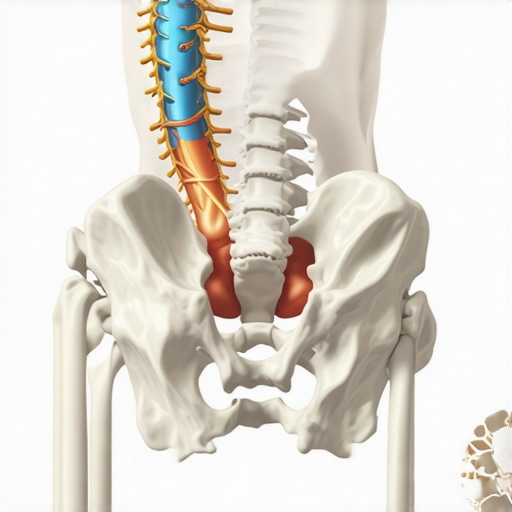
Ever woken up feeling like a jolt of lightning shot through your butt cheek, and suddenly every step feels like a gamble? I remember those mornings vividly—thinking I just pulled something or needed another chiropractic adjustment, only to realize I was caught in a frustrating guessing game. I spent months chasing my tail, wondering if that stubborn pain in my lower back and leg was sciatica or something else entirely. The lightbulb finally went off when I understood that what I thought was typical sciatic nerve pain might actually be piriformis syndrome—a sneaky imitator that often gets mistaken for the real deal.
Why Knowing the Difference Matters for Your Relief
Getting the diagnosis right isn’t just a matter of semantics; it directly influences your healing strategy. If you’re like me, you might have tried various treatments—chiropractic adjustments, massages, or stretches—and still felt the symptoms linger. The truth is, misidentifying the root cause can mean wasting time on ineffective remedies or even worsening the problem. According to a study published in the Journal of Orthopaedic & Sports Physical Therapy, accurate diagnosis of nerve-related lower extremity pain significantly improves recovery outcomes (Sampson et al., 2010). That’s why understanding whether your pain stems from sciatic nerve compression or piriformis muscle irritation is vital.
Have you faced this kind of confusion with your pain? If so, you’re not alone. Many people get caught in this diagnostic gray area without realizing there’s a simple way to tell the difference and tailor your treatment accordingly.
Could Your Pain Be Something Else? The Biggest Skepticism
I admit, early on, I was skeptical—convinced that my pain was just typical sciatic nerve issues that would clear up with a few adjustments. I made the mistake of ignoring the possibility that a smaller, overlooked muscle—the piriformis—might be causing my discomfort. It wasn’t until I learned that this tiny muscle can irritate the sciatic nerve by pressing against it that I started paying attention to my body differently. If you’re doubtful about whether your pain is truly nerve-related, consider that sometimes the culprit isn’t a slipped disc, but an overactive or tight piriformis. Curious? You might want to explore how targeted mobility exercises could make all the difference, and I’ve got some practical tips to share in the upcoming sections.
Start with a Self-Check to Pinpoint Your Pain
First, assess your pain location and response to specific movements. Lie on your back and perform a straight-leg raise. If raising your leg intensifies the pain in your leg or buttock, try internal and external rotation of your hip while lying down. Noticing which movements worsen your discomfort helps distinguish sciatic nerve impingement from piriformis syndrome. For example, I used this method last week when I felt a sharp sensation during leg lifts. I found that external rotation made the pain worse, indicating muscle involvement rather than nerve compression.
Evaluate Your Posture and Sitting Habits
Proper posture plays a vital role in your pain. Observe whether prolonged sitting with crossed legs or slouched positions triggers or worsens your symptoms. To test this, sit in your usual position for 5 minutes, then straighten your spine and move to a more neutral posture. Notice if symptoms diminish. A practical tip is to set reminders to correct your sitting posture; this simple move can alleviate undue pressure on your piriformis and sciatic nerve. I learned this when my own discomfort lessened after adjusting my desk setup—see how targeted mobility exercises can reinforce good habits at this resource.
Perform Targeted Stretching and Strengthening Exercises
Specific stretches can differentiate the two conditions. For piriformis syndrome, try the figure-four stretch: lie on your back, cross one ankle over the opposite knee, then gently pull the bottom thigh towards your chest. If this relieves your pain, piriformis tightness is likely a factor. Conversely, if sciatic pain persists despite stretching, consider nerve involvement. Remember, proper execution matters—errant stretches can aggravate your condition. I once attempted an aggressive piriformis stretch without guidance, which caused temporary soreness. That’s why consulting a chiropractor for tailored mobility routines, like the ones showcased here, can be a game-changer.
Incorporate Mobility and Adjustment Strategies
Enhance your recovery by regularly performing mobility drills that promote hip and pelvic flexibility. The hip openers discussed here are excellent examples. These drills improve joint movement, reduce muscle overcompensation, and ease sciatic or piriformis-related discomfort. I incorporate a quick daily routine of ankle circles and pelvic tilts; over time, these adjustments have made my movement smoother, and pain less intense.
Use Feedback to Guide Your Recovery
Monitor your symptoms after each exercise or posture correction. If certain movements consistently ease your pain, focus on integrating them into your daily routine. For persistent or worsening symptoms, it’s crucial to seek professional advice. You can schedule a consultation by visiting here. Remember, combining these steps creates a comprehensive approach, giving you the tools to identify and address your specific issue effectively.Many believe that chiropractic adjustments are a quick fix or that posture improvements come solely from rigid braces or foam rollers, but the truth runs much deeper. A common myth is that there’s a magic adjustment or stretch that will permanently fix poor posture, yet lasting change requires understanding the subtle nuances of your body’s movement patterns and muscle functions. Relying solely on adjustments without addressing mobility limitations can lead to temporary relief but not real long-term outcomes. Studies, such as those highlighted in this article, show that combining chiropractic care with targeted mobility exercises produces superior and sustainable results.
One oops trap to avoid is thinking that all postural issues stem from a single root cause. For example, many assume poor posture is just a matter of sitting too long, but often, it’s a habit of habitual movement patterns, muscle imbalances, or nerve restrictions. Overlooking these factors can cause treatments to fall flat. Advanced practitioners recognize that true improvement involves assessing for hidden restrictions or compensations, such as a stiff thoracic spine or tight hip flexors, which might seem unrelated at first glance. Incorporate mobility drills from this resource to address overlooked areas that impact your posture.
H3: Why does targeting muscle imbalances matter more than generic stretches?
Addressing the cause of postural misalignments involves a precise understanding of muscle interplay. Instead of just stretching tight muscles, it’s vital to strengthen weak ones that support proper alignment. For instance, weak deep neck flexors often go unnoticed but are crucial for maintaining cervical posture. Enhancing your awareness of these nuanced imbalances can prevent the cycle of temporary relief and recurrence. As a seasoned expert, I recommend a comprehensive assessment that pinpoints which muscles need strengthening versus stretching, a strategy elaborated in this guide. Remember, consistency and personalized routines are keys—improve your form and function together for lasting results.
Always be cautious of the trap of quick fixes or one-size-fits-all solutions. Implementing a balanced approach that combines adjustments, mobility drills, and mindful habits creates a more resilient posture foundation. Curious to try these strategies? Reach out through this contact page for personalized advice. Have you ever fallen into this trap? Let me know in the comments.Maintaining the improvements in posture and mobility you’ve gained requires the right tools and strategies. I personally rely on a combination of targeted mobility exercises, professional-grade equipment, and consistent routines to ensure long-term benefits. One essential method is integrating **mobility drills** that address specific joint restrictions. For example, using a resistance band for shoulder stretches or foam rollers for myofascial release helps me stay ahead of tightness and muscle imbalances. These tools are simple, affordable, and highly effective for daily use. Furthermore, I incorporate **software tracking**—such as posture apps—to monitor my alignment and set reminders for movement breaks, which are crucial for those of us working at desks or driving regularly. In the future, this trend toward smart, wearable devices that provide real-time feedback will become even more sophisticated, making self-maintenance more seamless and personalized. To deepen your understanding, check out the comprehensive strategies in this resource. When selecting equipment, prioritize quality and ergonomics—avoid cheap alternatives that can undermine your efforts. Remember, consistency is key. I recommend setting daily routines incorporating these tools, as consistency breeds lasting change. How do I maintain posture and mobility over time? The answer lies in combining regular mobility exercises with smart tools, like posture monitor apps and foam rollers, paired with professional guidance. This approach ensures you stay aligned and pain-free. For personalized assistance or advice on selecting the best gear for your specific needs, don’t hesitate to reach out through this contact page. Start integrating one advanced tip today—such as scheduling a weekly mobility session with your favorite tools—and watch how your long-term results improve. Staying proactive and equipped makes all the difference in your posture journey.
What I Didn’t Expect About Building Lasting Change
One of the most surprising lessons I learned is that real progress doesn’t happen overnight. Consistency with mobility exercises and mindful habits gradually transformed my posture, revealing that patience is essential. I also discovered that small, targeted adjustments often yield more significant results than sweeping reforms—like a tiny shift in how I sit or stand that made a world of difference.
Why Ignoring Your Unique Body Can Slow Your Progress
Early in my journey, I overlooked the fact that everyone’s body’s imbalances and restrictions are different. Trying generic stretches or advice without personalization can lead to frustration. I realized that paying close attention to my body’s responses and tailoring my routine made all the difference. Taking the time to pinpoint what truly works for your body is a game-changer, and learning to listen can significantly accelerate your progress.
Lessons That Only Experience Can Teach
While books and guides are invaluable, nothing replaces hands-on guidance from professionals who understand the subtle nuances of posture and movement. I learned this firsthand when working with a chiropractor, who identified hidden restrictions I hadn’t even noticed. Recognizing that some issues require expert assessment was pivotal in my recovery and ongoing maintenance.
My Must-Have Tools for Maintaining Mobility and Posture
Over the years, I’ve come to rely on a combination of simple yet effective tools, such as foam rollers and resistance bands, to keep my body in check. These tools are affordable and can be incorporated into daily routines to prevent setbacks. I also use posture monitoring apps to stay accountable—trust me, a little tech can go a long way in maintaining long-term gains. Curious? Find out how these tools can support your journey in this resource.
Embrace the Power of Small Wins to Transform Your Posture
Finally, I want to emphasize that celebrating small victories keeps motivation high. Whether it’s reducing daily discomfort, improving your flexibility, or refining your sitting habits, each step forward is meaningful. Remember, the journey to better posture and mobility is a marathon, not a sprint. Keep pushing, stay mindful, and trust that the cumulative effect of each effort will lead to lasting change. Ready to take your next step? Share your experience or ask questions below—let’s move forward together.