
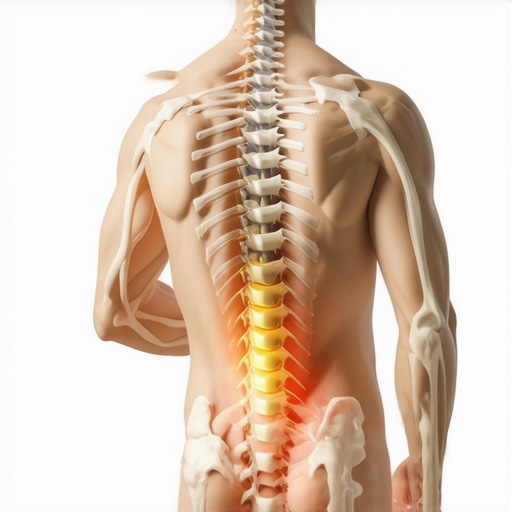
Ever felt that sudden, jabbing pain in your lower back that makes you stop in your tracks? I remember the first time it happened to me—my knees buckled, and I was convinced I’d just pulled a muscle. But as I learned more, I realized that not all sharp back pains are created equal. Sometimes, it could be a sign of something more serious, like a disc problem, and missing those clues can lead to long-term issues.
Why Recognizing the Real Culprit Matters
Understanding whether your quick, stabbing back pain is a benign strain or a disc concern can save you from unnecessary worries—and more importantly, from worsening your condition. For years, I brushed off minor pangs, thinking they’d resolve on their own. But I quickly discovered that ignoring the signs often meant bigger problems down the road. Recognizing the symptoms early enables you to seek targeted treatment—think of it as catching a small flame before it turns into a wildfire.
In my experience, not all back pain feels the same. Sharp, shooting sensations that radiate down the leg are classic signs of nerve involvement, often linked to disc issues. According to recent studies, roughly 80% of adults will experience lower back pain at some point, and a significant portion relates to disc degeneration or herniation (source). But how do you differentiate a simple muscle tweak from a disc problem? That’s what I’ll help you figure out today.
The first step is tuning into your body’s signals. Do you notice increased pain when you bend forward or sit for long periods? Is there numbness or tingling in your legs? These are clues that shouldn’t be ignored. If you’re unsure, consulting a professional can help clear the fog, but becoming aware of these signs empowers you to listen to your body.
Now, I know some of you might be thinking, “Is this really worth the hype? Maybe I just need to stretch more.” Believe me, I’ve been there. Early on, I made the mistake of assuming every ache was a minor issue, only to realize that neglecting the specific signs of a disc problem can lead to chronic pain. It’s like trying to fix a leak without knowing where the water’s coming from—ineffective and frustrating.
So, if you’ve been grinding through sharp pains and wondering whether it’s just a pulled muscle or something more, you’re in the right place. Today, we’re going to unpack the key signs that point toward a disc issue and how you can start addressing it with practical steps.
Start with a Body Scan
Before jumping into stretches or exercises, take five minutes to observe your pain. Sit or lie down comfortably and identify where it hurts most. Is it a sharp pain in the lower back? Does it radiate down your leg? Pinpointing the exact location and nature helps you tailor your approach. I remember a time when I ignored the tingling in my leg — it progressed into numbness, emphasizing the importance of early recognition. This initial step acts like a map, guiding your next moves.
Engage in Targeted Mobility Exercises
Mobility exercises are like unlocking a stuck door. They help improve movement, reduce stiffness, and alleviate nerve compression caused by disc issues. Focus on controlled, gentle movements that target your hips, pelvis, and lower back. For instance, knee-to-chest stretches gently loosen tight muscles. For a detailed routine, check out mobility tips. I once struggled with persistent lower back tightness until I committed to daily HIP opener routines, which significantly reduced my discomfort.
Correct Your Posture Consistently
Posture is the foundation of spinal health. Think of your spine as the support beam of a building — if it’s misaligned, the entire structure is at risk. Make small, frequent adjustments during daily activities. When sitting at your desk, ensure your hips, knees, and ankles form roughly a 90-degree angle, and your monitor is at eye level. Simple tweaks, like adjusting your chair or screen position, can make a big difference. For a comprehensive guide, visit posture improvement strategies. I caught myself slouching after long hours, which worsened my pain, until I made deliberate posture corrections a habit.
Utilize Gentle Chiropractic Adjustments
Chiropractic adjustments can realign your spine subtly, relieving nerve pressure. They’re like tuning a guitar string — tiny twists can restore harmony. Find a qualified chiropractor who understands disc health and ask for a gentle, assessive session. For example, I experienced immediate relief after a session that focused on my lumbar region. Regular adjustments, combined with mobility work, can create a powerful synergy. Discover more at chiropractic benefits.
Incorporate Breath and Relaxation Techniques
Stress and tension often worsen back pain and nerve compression. Breathing exercises help relax muscles and reduce stiffness. Practice deep diaphragmatic breathing — inhale slowly through your nose, allowing your abdomen to rise, then exhale through your mouth. I found that mindful breathing during pain flare-ups helps calm my nervous system and ease tight muscles. Integrating these practices into your daily routine enhances the effectiveness of physical techniques.
Stay Consistent and Observe Symptoms
Consistency is key. Keep a journal of your pain levels, mobility, and posture adjustments. Over time, you’ll notice patterns and learn what strategies provide relief. Remember, any significant worsening or new symptoms warrant professional evaluation. Developing awareness about your body’s responses enables better self-management. When I kept track of my progress, I caught early signs of flare-ups and adjusted my routine accordingly, preventing worsening pain.
Many people assume that chiropractic adjustments are a quick fix or that they permanently correct postural issues with a single visit, but the reality is far more nuanced. In my experience working with patients, a common misconception is that adjustments alone will solve complex spinal problems. While adjustments can be beneficial, they are most effective when integrated into a comprehensive plan that includes mobility work and posture habits. Relying solely on adjustments can lead to a cycle of temporary relief followed by recurring pain, especially if underlying habits aren’t addressed. For example, some believe that cracking your own neck is harmless, but in reality, frequent self-manipulation can cause ligament strain or even exacerbate nerve compression over time. It’s crucial to understand that adjustments are just one piece of a larger puzzle.
A significant oversight many have is underestimating the importance of mobility and muscular balance in supporting spinal health. I often see clients who focus on static stretches or strength exercises without considering how joint mobility influences posture. The connection between mobility and posture is subtle but powerful; restricted joint movement can lead to compensatory patterns that worsen misalignment. For instance, tight hips can tilt your pelvis forward, stressing your lumbar spine and leading to discomfort. Addressing these issues requires targeted mobility routines—discover practical tips through resources like mobility exercises for posture. Ignoring mobility nuances can make corrections less effective and even reinforce poor habits.
Another common myth involves posture correction: many think that maintaining a perfectly straight back is inherently good in every situation. However, in advanced cases, overcorrecting or obsessing over perfect alignment can cause muscular imbalances and nerve issues. For example, overly rigid postures may limit natural spinal movement, leading to stiffness and pain. What’s more beneficial is learning to maintain a dynamic, balanced posture that allows for natural movement and muscle engagement. Incorporating movement variability and understanding how the nervous system adapts can prevent long-term discomfort. This concept is supported by research showing that moderated, active postural habits outperform static, fixed postures over time (see more here).
For the advanced reader wondering about the best way to approach these nuances, consider this question: how do joint mobility, muscular balance, and neural control integrate to sustain spinal health? The answer involves understanding that adjustments facilitate joint movement, but without addressing muscular tension patterns and neural feedback loops, the improvements may be short-lived. Developing a personalized mobility and activation routine—guided by professional assessment—can optimize your posture’s resilience.
Remember, the key is to treat your spine holistically, respecting its complex interplay of bones, muscles, and nervous system. By dispelling myths and understanding the subtle dynamics, you can avoid common pitfalls and accelerate your progress. Have you ever fallen into this trap? Let me know in the comments.
Maintaining your spinal health over the long term requires more than just occasional stretches or adjustments. Having the right tools at your disposal can make a world of difference in ensuring that your mobility and posture stay optimal. As someone who has integrated specific equipment and techniques into my regimen, I can attest to their effectiveness in promoting sustained results. Today, I’ll share the essential tools I personally use and suggest how you can incorporate them into your daily routine for lasting benefits.
Invest in a Quality Foam Roller
The foam roller is my go-to for releasing muscle tension, especially around the hips, back, and thighs. I prefer a dense, rumbly foam roller because it provides deeper tissue work without causing pain or discomfort. Using it every morning helps maintain my mobility, prevents tightness, and prepares my spine for additional movement. Regular foam rolling also aids in improving circulation and flexibility, which are crucial for long-term posture health. For detailed techniques, check out this guide on effective foam rolling routines.
Embrace Targeted Mobility Devices
Small, portable tools like resistance bands and lacrosse balls have become essential in my toolkit. Resistance bands, specifically for hip and shoulder mobility, allow me to perform gentle, controlled stretches that complement my daily exercises. I use them for hip joint mobilizations, which help correct pelvic tilt issues that can compound posture problems. Meanwhile, a lacrosse ball helps target trigger points and stubborn knots that might hinder nerve flow or cause discomfort. Incorporating these tools into daily mobility sessions ensures that my joints don’t become stiff or restricted over time. For advanced mobility routines, visit this resource.
Track and Manage Your Progress Digitally
Using software like my preferred mobility tracking app has empowered me to monitor improvements and spot regressions early. These tools help me record pain levels, flexibility gains, and posture habits, allowing for data-driven adjustments. Over time, I’ve noticed patterns—like how certain exercises lead to sustained relief or when my posture begins to slip—so I can proactively address issues before they worsen. While some may think digital tracking is overkill, I find it helps cement habits and encourages accountability, especially during busy weeks. For support, explore this guide on building sustainable habits without external gadgets.
Where Is It Going?
Looking ahead, I predict a trend toward integrating wearable technology that offers real-time feedback on posture and movement quality. Devices like smart posture sensors or posture-crompting wearables could become standard in preventive spinal care, guiding us into more personalized and precise interventions. As research evolves, expect these tools to seamlessly connect with your smartphone, providing instant cues and progress tracking to keep you on track.
How Do I Keep My Tools Working Over Time?
The key to prolonging their effectiveness lies in consistent use and periodic updates. Regularly cleaning your foam roller, replacing worn-out bands, and recalibrating software settings ensure these tools stay functional. Additionally, scheduling quarterly reviews with a trusted chiropractor or mobility specialist can help refine your routine and troubleshoot any issues. Remember, no tool is a magic bullet; they serve as aids in a comprehensive posture and mobility strategy. If you’re serious about making lasting gains, try integrating at least one new tool from this list into your daily routine for a month and observe the difference it makes.
The Hidden Lessons Behind Lasting Back Relief
One of the most profound insights I’ve gained is that genuine progress in managing back pain comes from embracing our body’s complexity instead of seeking quick fixes. I once believed that a single adjustment or stretch could solve everything, but I soon realized that true healing requires patience, subtlety, and a deep understanding of my unique biomechanics.
A pivotal moment was recognizing that persistence in mobility routines, combined with mindful posture, creates a resilient spine. I learned that ignoring small signs, like nagging tightness or slight numbness, often leads to bigger issues down the road. It’s like tending a garden—you have to care for it regularly to see it flourish, not just when it’s wilting.
Another lesson was understanding that external tools—like foam rollers or resistance bands—are most effective when tailored to your specific needs. Generic routines often fall short because every spine, muscle, and nerve pathway is different. Listening to your body and adjusting your approach accordingly can turn a routine into a personalized blueprint for spinal longevity.
Ultimately, the journey toward better back health teaches us that small, consistent habits outshine sporadic efforts. By integrating mindful movement, proper posture, and the right tools into daily life, you set the foundation for a pain-free future. Sometimes, it’s the nuances—those tiny adjustments—that make the biggest difference.
Tools That Transformed My Approach to Spine Care
Over the years, I’ve come to rely on a set of thoughtfully chosen resources that support my posture and mobility goals. A high-quality foam roller remains my first line of defense against muscle knots and tension buildup—simple, yet remarkably effective. I favor dense, textured rollers because they help me target deep tissues without discomfort. For guided routines, I trust these mobility tips that keep my spine flexible and prevent stiffness.
Small devices like resistance bands and lacrosse balls have become integral in my daily routine. Resistance bands help me improve joint mobility in a controlled manner—especially around the hips, which influence pelvic tilt and lumbar health. The lacrosse ball, used for trigger point work, offers targeted relief where my muscles tend to hold tension. These tools empower me to customize my mobility exercises and address specific problem areas, reinforcing the importance of personalized care.
Keeping track of my progress with digital apps has also made a remarkable difference. Monitoring pain levels, flexibility, and posture habits allows me to identify patterns and adjust proactively. While some might see this as overkill, I believe that data-driven insights foster accountability and accelerate results. For further guidance on sustainable progress, I recommend exploring these practical habit-building tools.
Looking ahead, I’m excited about wearable tech that provides real-time feedback on posture and movement. Devices like smart posture sensors could personalize care even further, blending technology with expert guidance. To maintain these tools’ effectiveness, routine maintenance—like cleaning gear and scheduling check-ins—ensures they remain valuable allies in your journey.
Stepping into Your Path to Better Posture
You have the power to transform your back health by adopting a mindset of continual growth and mindful practice. The journey might be gradual, but with patience, curiosity, and the right tools, lasting relief is within reach. Don’t wait for pain to dictate your actions; take proactive steps today and watch your confidence in your movement grow.
What small change will you make today to support your spinal health? Share your plans below and join a community committed to better posture and mobility!