
I remember the exact moment I realized my shoulder pain wasn’t just muscle fatigue. I was lifting a grocery bag, felt a sharp ache, and thought, “Great, just another strain from too many push-ups.” But as days turned into weeks, the pain persisted, sometimes radiating down my arm, other times just sitting stubbornly in my shoulder blade. It was frustrating because I couldn’t quite pinpoint whether it was a typical shoulder sprain or something more unusual.
That lightbulb moment came when I noticed that certain movements—like twisting or deep breathing—made the pain worse. It wasn’t the usual soreness from exercise; it had a different feel, almost like an internal ache that didn’t respond to regular stretches or ice packs. I started digging into the causes and discovered something fascinating: often, shoulder pain might actually stem from issues in your ribs or thoracic area rather than the shoulder joint itself.
Today, I want to help you figure out if your pain has a hidden root. Many folks, including myself early on, overlook the possibility that their discomfort might be originating from their ribs or thoracic cage. Misdiagnosing these sensations can lead to ineffective treatments or prolonged discomfort.
Why Shoulder Pain Might Hide as a Rib Issue
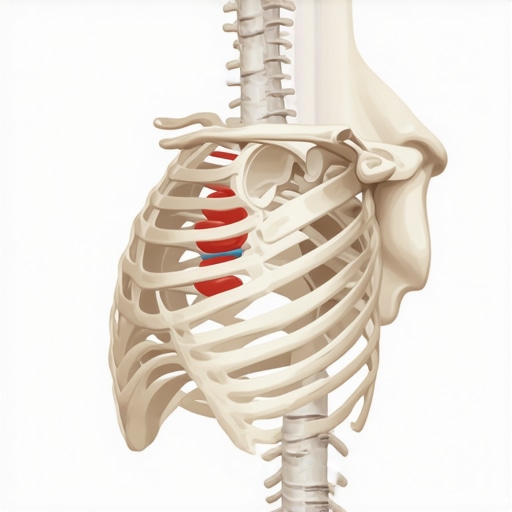
Knowing the difference between muscle strain and a rib-related problem can save you a lot of time and discomfort. Your ribs, especially the upper ones, connect to your spine and help stabilize your shoulder girdle. When a rib becomes misaligned or irritated—sometimes due to poor posture, trauma, or repetitive movements—it can mimic or even cause shoulder pain. This is because the nerve supply and muscular attachments create a complex network where one area’s issue can manifest as pain in another.
In fact, a study published in the Journal of Physical Therapy Science indicates that thoracic dysfunctions often correlate with shoulder pain and mobility restrictions, emphasizing the importance of considering the thoracic cage during diagnosis (source: https://quackersneck.com/the-link-between-mobility-and-posture-a-chiropractors-guide).
Early in my journey, I made the mistake of assuming all shoulder pain was muscular, which led me to ineffective stretches and medication. Had I known then what I know now—about the significance of rib mobility and alignment—I might have resolved things faster. That’s why understanding these subtleties is so valuable.
So, have you ever experienced a persistent shoulder ache that just won’t go away, no matter how much you stretch or rest? If so, you’re not alone. Let’s explore how to differentiate a simple muscle strain from a rib issue—so you can get to the root cause and recover properly.
Assess Your Movement Patterns Carefully
Start by observing which motions aggravate your shoulder pain. Lie down on your back and gently breathe into your ribs, noticing any tenderness or restricted movement. This step helps distinguish between muscular strain and rib misalignment. A personal experience I had was spending 10 minutes doing deep diaphragmatic breathing, realizing that limited chest expansion was a sign of rib stiffness. Regularly practicing this can highlight areas needing attention.
Implement Targeted Mobility Exercises
Incorporate specific drills that open up your thoracic cage. For example, the targeted mobility exercises focus on thoracic rotation, helping to restore proper rib function. I once used a simple foam roller against my upper back, rolling gently to decompress tight spots. Over time, I noticed less pain during shoulder movements, confirming improved rib mobility.
Perform Gentle Thoracic Adjustments
Schedule adjustments with a qualified chiropractor who emphasizes thoracic care. Think of your spine and ribs as interconnected gears in a machine—if one gear misaligns, the whole system scrambles. During my initial session, the chiropractor used precise hand placements to realign my mid-back and ribs, instantly reducing my shoulder discomfort after the session. Regular check-ins ensure this small fix becomes a lasting improvement.
Learn Self-Adjustment Techniques
For ongoing relief, master safe self-adjustments, like thoracic joint mobilizations. Imagine trying to twist a stubborn lid off—a controlled twist can loosen it. I found that using a tennis ball against a wall to gently press into tender spots in my upper back provided relief. Always remember, proper technique is essential to avoid injury. Consulting a chiropractor before attempting these maneuvers is recommended.
Prioritize Posture During Daily Activities
Evaluate how you sit, stand, and sleep. Poor posture can cause rib misalignment, leading to persistent pain. Using ergonomic pillows and adjusting your workspace setup can make a significant difference. I adjusted my desk height and noticed my rib cage relaxed, alleviating shoulder tension. Regular posture checks can prevent recurring issues and support your mobility efforts.
Monitor and Reflect on Progress
Keep a journal of your pain levels and mobility improvements. Tracking your symptoms helps identify which techniques work best. I recorded my pain intensity weekly, noticing marked decrease after integrating breathing exercises and adjustments. This feedback loop ensures you stay focused on effective strategies tailored to your body’s responses.
Many people assume that simply stretching more or visiting a chiropractor regularly guarantees lasting relief and optimal movement, but this oversimplification often leads to overlooked nuances. One widespread misconception is that all mobility issues originate from muscle tightness, ignoring the crucial role of joint and connective tissue health. In reality, muscles are just one piece of the puzzle; fascia restrictions, joint misalignments, and neural pathways significantly influence your movement quality. For instance, excessive focus on stretching can sometimes exacerbate imbalances if underlying joint restrictions or nerve entrapments are not addressed, a fact supported by recent studies indicating fascia and joint restrictions as key factors in persistent mobility issues (source: https://quackersneck.com/the-ultimate-guide-to-improving-mobility-and-posture-in-2025).Maintaining excellent posture and mobility over time requires more than just occasional stretches or chiropractic visits. Having the right tools and methods at your disposal can make all the difference in sustaining progress and preventing setbacks. One of my favorite tools is a high-quality foam roller, specifically the TriggerPoint GRID Foam Roller, which I use daily to release fascia restrictions in my thoracic and lumbar regions. This roller’s multi-density surface target muscles and connective tissue without causing discomfort, allowing me to keep my spinal alignment optimal between adjustments. Additionally, I rely heavily on guided mobility programs like the one offered in the targeted mobility exercises series. These routines focus on improving joint range of motion and breaking down adhesions that may limit your movement, which I incorporate into my morning routine for long-term benefits. For tracking my progress and ensuring consistency, I use a SimplePosture app—this software prompts daily exercises and logs improvements, helping me stay accountable. Looking ahead, I predict that wearable biofeedback devices like posture-correcting belts or smart sensors will become more integrated into daily routines, providing real-time corrections to prevent poor habits before they set in. To sustain this level of care, I suggest asking yourself: “How do I maintain my mobility over time?” The key is regular engagement with the right tools combined with expert advice. For example, scheduling periodic check-ins with a chiropractor familiar with these techniques can help fine-tune your approach and address emerging issues early. Remember, consistency is crucial; even the best tools won’t work if neglected. I encourage you to start by incorporating a foam rolling session into your daily routine—it’s a game-changer for fascia health and joint mobility. Combining manual tools like foam rollers with guided programs and smart tracking can create a comprehensive system that supports your posture and mobility in the long run. If you want to deepen your understanding, check out our expert insights on chiropractic care and how it complements these tools for lasting results. Stay proactive, and your body will thank you for years to come.
One of the most profound insights I gained was realizing that persistent shoulder pain often isn’t just about muscles—it can stem from your ribs or thoracic area. This revelation came after countless ineffective stretches and visits, until I discovered the deep connection between rib mobility and shoulder health.
My biggest lesson was that addressing the root cause, rather than just symptoms, leads to lasting relief.
Another key lesson was the importance of patience and consistency. Incorporating thoracic mobility exercises and regular self-adjustments didn’t produce overnight results, but steady effort transformed my posture and reduced pain significantly. This taught me that sustainable change demands dedication over quick fixes.
Finally, I learned that understanding my body’s subtle signals was crucial. Small restrictions in movement or discomfort during breathing often indicated underlying issues. Paying close attention allowed me to tailor my approach and avoid unnecessary interventions. This ear for my body’s whispers made all the difference in my recovery journey.