
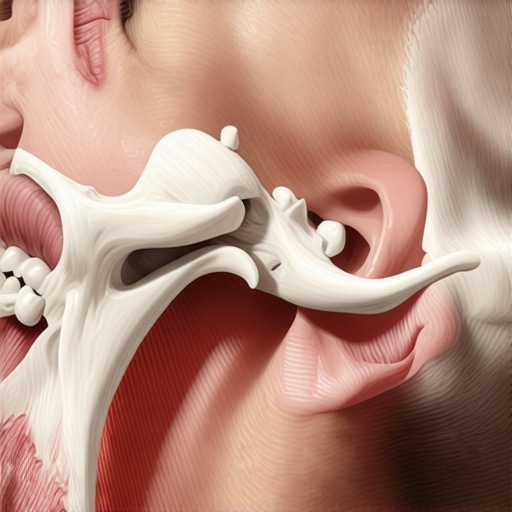
I remember sitting in my clinic, neck aching like a stubborn knot that refused to loosen. After countless adjustments and stretches that seemed to help temporarily, I had a lightbulb moment—my jaw tension might be the sneaky culprit behind my persistent neck pain. It sounds odd, right? But the more I explored, the more I realized how interconnected our body’s tension patterns are, often leading us to overlook simple clues hiding in plain sight.
The Hidden Link Between Jaw Tension and Neck Discomfort
For years, I struggled with nagging neck pain that would flare up during long days at the computer or after stressful meetings. Like many others, I tried everything—stretching, posture correction, chiropractic adjustments, and even massage therapy. Yet, the pain persisted. It wasn’t until I started paying attention to my jaw that I found a shocking connection. Tension in your jaw muscles, especially from clenching or grinding—commonly called bruxism—can radiate tension up into the neck and shoulders. When you tighten your jaw, you’re unknowingly pulling on muscles and fascia that connect through your upper body, creating a domino effect of discomfort. This realization was a game-changer for my approach. Instead of just focusing on the neck, I examined my jaw muscles, and addressing tension there resulted in noticeable relief.
But how exactly does this happen? Our jaw muscles are closely linked to our cervical spine and the muscles supporting head movement. Excessive jaw tightness can lead to misalignments or heightened muscular tension in the cervical area, exacerbating neck pain. A study published in the Journal of Oral Rehabilitation even highlights how TMJ (temporomandibular joint) issues are often associated with neck symptoms, emphasizing the need for a holistic view. Improving posture through mobility exercises and recognizing these subtle cues can make all the difference.
So, if you’ve been battling neck pain that seems stubborn or unexplained, ask yourself—are you subconsciously holding tension in your jaw? The good news is, once you understand this link, you can target your tension more effectively and finally find relief.
What You’ll Discover Today
In the sections ahead, I’ll share practical strategies to identify jaw tension, simple exercises to release it, and how these steps can drastically reduce your neck discomfort. Get ready to unlock a fresh wave of relief with techniques that might be the missing piece in your pain puzzle.
Is Your Jaw Tension Truly the Cause or Just a Symptom?
I have to admit, early on I made the mistake of dismissing jaw tension as irrelevant. I thought neck pain was purely about posture or spinal alignment, yet ignoring this link kept me in a cycle of temporary relief. Misdiagnosing or overlooking the role of jaw muscles can delay real progress, so it’s crucial to consider this aspect as part of your healing journey. Ready to explore how to break free from this hidden tension? Let’s dive in!
Identify and Target Tension Areas
Start by locating your jaw muscles, especially around the jaw hinge and cheeks. Use your fingers to gently press on these areas, noting any spots that feel tender or tense. Remember, tension can build up unconsciously from stress or grinding during sleep. A practical approach I used was to gently open and close my mouth, noticing where stiffness or discomfort persisted. This simple self-assessment helps you pinpoint exact spots needing release.
Implement Effective Release Techniques
Self-Massage and Tender Point Release
Apply gentle pressure using your fingertips or a soft massage tool to tender spots. Use circular motions for 30 seconds to a minute. Be cautious not to apply excessive force—aim for comfort, not pain. I found that spending a few minutes each morning massaging my jaw muscles significantly reduced tension and prevented it from radiating into my neck.
Jaw Wide-Open Stretches
Open your mouth as wide as comfortably possible, then gently hold for 5 seconds before slowly closing. Repeat 10 times. This stretch helps increase mobility and relieve tightness. During my first attempt, I noticed a clicking sensation, but over time, my jaw felt more relaxed, and the tightness in my neck diminished.
Practice Relaxation and Postural Awareness
Subconscious jaw clenching often occurs during stressful moments or while concentrating at the computer. To counteract this, incorporate regular relaxation breaks—set a timer to remind you to unwind your jaw. When working at your desk, be mindful of your facial muscles and aim for a neutral, relaxed jaw position. I integrated quick breathing exercises and jaw releases during breaks, which noticeably decreased daytime tension.
Integrate Mobility Exercises to Support Long-Term Relief
Mobility routines targeting the neck and shoulders create a supportive environment for relieving jaw and neck tension. Dynamic movements, such as gentle head turns and shoulder rolls, can help reset muscular patterns. For example, I dedicated 5 minutes daily to mobility drills, which improved overall posture and reduced the frequency of tension buildup. Check out mobility exercises to enhance your routine.
Consistent Habits to Prevent Recurrent Tension
Maintaining awareness of your jaw and implementing daily release techniques form the backbone of long-term relief. Consider creating a routine—morning massage, midday stretching, and evening relaxation—to keep tension at bay. Over time, these habits become second nature, reducing the likelihood of pain flare-ups. A practical tip I adopted was to set reminders on my phone to perform quick jaw releases every hour, which kept me mindful of my tension and prevented it from escalating.
Monitor and Adjust Your Approach
Pay attention to how your neck responds and adjust your techniques accordingly. If tension persists or worsens, consult a professional to rule out underlying issues. Combining self-care with professional guidance, such as a visit to a chiropractor, ensures comprehensive management. Remember, small consistent steps can lead to significant relief over time, transforming your approach from reactive to proactive.
Many practitioners and enthusiasts alike often get caught up in beginner-level advice about mobility, chiropractic adjustments, and posture, overlooking the intricate nuances that differentiate effective strategies from superficial ones. A common myth is that any mobility exercise will inherently improve posture, but in my experience, this oversimplification can lead to complacency and ineffective results. It’s crucial to recognize that not all mobility drills are created equal—specificity matters, especially when addressing complex postural issues.
For example, many assume that stretching alone can correct chronic tightness. However, a study by A. Schultz and colleagues in the Journal of Bodywork and Movement Therapies highlights that targeted mobility work combined with neuromuscular re-education yields far better outcomes than generic stretching routines (see how mobility exercises can support posture). This detail is often overlooked—no single exercise works for everyone, and understanding individual movement patterns is key.
Many people fall into the trap of believing that chiropractic adjustments offer permanent correction, but in reality, adjustments are a catalyst for realignment—an essential step but not the entire solution. The real progress depends on reinforcing these adjustments through proper mobility, strengthening, and behavioral changes. Failing to recognize this can lead to repeated cycle adjustments without long-term benefit, which can be disheartening and financially draining. As I always say, adjustments without accompanying movement education are an incomplete approach.
Yet, here’s the oops factor: some practitioners inadvertently reinforce bad habits by relying solely on passive treatments. For instance, doing adjustments without addressing underlying mobility restrictions can be akin to fixing a leak without repairing the pipe; the problem persists. It’s vital to combine adjustments with movement retraining, active mobility routines, and ergonomic modifications to ensure lasting change. Check out this resource for insights into how adjustments and mobility work synergistically.
What about the role of posture in long-term health?
Many believe that maintaining a ‘perfect’ posture at all times is essential. But in practice, rigidly holding stiff postures can lead to more tension and reduced tissue adaptability. Instead, encouraging dynamic movement and variability, known as ‘movement variability,’ promotes healthier tissue resilience. A recent paper in the Journal of Orthopaedic & Sports Physical Therapy emphasizes that dynamic, controlled mobility is more effective than static positioning for sustainable postural health (learn about mobility’s role in posture). This nuance helps prevent the trap of obsessing over perfect alignment at the expense of natural, functional movement.
Remember, effective mobility isn’t just about stretching or passive adjustments; it involves an active understanding of your unique movement patterns. Failing to grasp this can leave you trapped in ineffective routines that do little to improve longstanding issues. So, before your next session or workout, pause and evaluate whether your approach addresses your specific needs rather than relying on generic advice.
Have you ever fallen into this trap? Let me know in the comments. Together, we can uncover what’s truly effective and move toward lasting change.
Keeping Your Progress Going with the Right Tools
Successfully maintaining improved posture and mobility over the long term isn’t about quick fixes; it requires the right equipment and strategies that fit your lifestyle. I personally favor tools that promote active engagement and reinforce the subtle neuromuscular patterns we develop during therapy. For example, I swear by the use of foam rollers tailored for upper back relief. Their textured surface allows me to target stubborn knots precisely, which helps prevent tension from creeping back into my neck and shoulders. Using a foam roller consistently not only relieves tight muscles but also encourages active tissue remodeling, which is crucial for lasting change.
Another essential tool is a high-quality posture correction app. I rely on software that offers biomechanical feedback, such as real-time posture analysis and gentle reminders to adjust throughout the day. These apps integrate seamlessly into daily routines, like when I’m at my desk or during a walk, keeping me mindful of my alignment. As digital health solutions evolve, I predict a future where AI-driven posture coaching becomes more personalized, integrating sensors that monitor muscle activation and load in real time, advancing the sustainability of our progress.
Complementing physical tools, I also recommend keeping a mobility journal or using dedicated video analysis to track your movement patterns over weeks or months. This practice helps you notice subtle improvements or regressions and can highlight areas needing additional focus or a different approach. For example, documenting your daily mobility routines ensures consistency and accountability, which are key to long-term maintenance.
How can I maintain my mobility and posture improvements over time?
Once you’ve achieved initial progress, it’s vital to embed these practices into your daily life. Incorporate quick sessions of mobility exercises during breaks—like shoulder rolls, neck rotations, or gentle stretches—which reinforce your gains. Also, revisit your ergonomic setup regularly; small adjustments to your workspace can prevent the re-emergence of bad habits. Engaging in weekly active routines that include controlled mobility drills with tools like resistance bands or stability balls will strengthen your tissues and make your improvements more resilient. The key lies in consistency—not overdoing it, but maintaining just enough activity to keep your tissues adaptable.
Long-term success often hinges on understanding that your body’s habits are dynamic. As your schedule or physical condition changes, your maintenance practices should adapt accordingly. I recommend setting periodic check-ins, perhaps monthly, to evaluate your mobility, posture, and pain levels. These can be as simple as recording a video of your movement or using posture analysis apps. Remember, the goal isn’t perfection but sustainable health that evolves with you.
It’s encouraging to see how integrating specific tools and habits can extend your progress well beyond initial sessions. For instance, I personally schedule weekly mobility routines incorporating foam rolling and controlled stretches—these small, consistent actions dramatically reduce the likelihood of regressions. Try dedicating 5 minutes daily to a targeted mobility drill, like the movements outlined here; it’s a practical step that consolidates your gains and keeps tension at bay. Remember, ongoing vigilance and adapted strategies are your best allies in maintaining health long-term.
One of the most powerful insights I gained was realizing that sometimes, the smallest adjustments—like paying attention to jaw tension—can lead to profound relief. It taught me to approach healing holistically, considering interconnected muscle groups rather than isolating issues. This lesson reminded me that persistence in exploring unconventional links can unlock breakthroughs. Additionally, I learned that patience is essential; progress may be subtle at first, but consistent attention to these subtle cues results in lasting change. Lastly, embracing a mindset of curiosity and continuous learning keeps the journey engaging and effective—there’s always another layer to uncover in the path to optimal mobility and posture.
My Essential Toolkit for Lasting Relief
Tools like foam rollers tailored for upper back relief have been game-changers in my routine because they promote active engagement and tissue remodeling. I trust this because of their proven ability to target stubborn knots effectively, preventing tension from creeping back. Additionally, a high-quality posture correction app provides real-time feedback and gentle reminders, reinforcing healthy habits throughout my day. These digital tools have helped me stay accountable and integrate mobility seamlessly into busy schedules. Finally, keeping a mobility journal allows me to track subtle improvements over time, making progress visible and motivating continuous effort.
Use Your Journey as Inspiration to Take Action
Remember, your journey toward better mobility and posture is uniquely yours, and every small step counts. Embrace the process with patience and curiosity, knowing that consistent effort creates sustainable change. Whether you’re just starting or refining your routine, trust in your ability to adapt and improve. The more you invest in understanding your body’s signals—like jaw tension or neck tightness—the closer you get to long-term relief. So, take that first step today, and celebrate each small victory along the way. Your future self will thank you for it!