
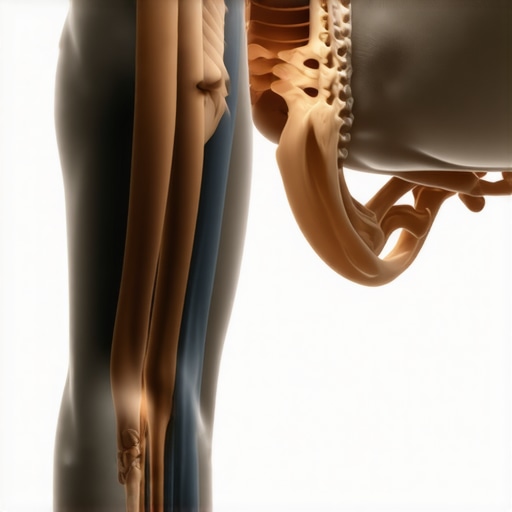
I remember the moment vividly. I was wrung out after another awkward day hunched over my laptop, trying to stretch my tight hip flexors in desperation. Nothing worked. My back still ached, stiff and unyielding, making every movement feel like a chore. It hit me then—maybe I was doing it all wrong.
The Real Reason Your Back Pain Sticks Around
The truth is, many of us fall into the trap of endless stretching, especially around the psoas, hoping to banish stubborn back pain. I used to believe that just loosening up those tight muscles would do the trick. But what I didn’t realize back then was that some pain signals a deeper, more complex issue—one that requires a smarter approach.
Today, I’m here to share what really helps, based on personal experience and solid chiropractic insights. If you’re stuck on the same treadmill of stretching without relief, hang tight. What I’m about to reveal might just change your perspective—and your back.
Is Stretching the Solution or the Problem?
Early on, I made a common mistake by repeatedly stretching my hip flexors, convinced that tightness was the root cause. Turns out, this can sometimes exacerbate the problem, especially if your back pain is due to nerve irritation or joint dysfunction rather than muscle tightness. Understanding the difference is crucial.
In fact, studies show that unnecessary stretching can increase inflammation or cause further muscular imbalance (source: here). That’s why recognizing the specific nature of your back pain is essential before grabbing that foam roller or stretching routine.
So, if you’ve been battling pain and wondering whether to keep stretching or try something new, you’re not alone. And the good news? There is a more effective way to address this issue—one that combines movement, posture awareness, and targeted adjustments.
Start with Specific Movement Patterns
One effective approach I personally tested was slow, targeted movements that promote joint mobility. I fetched a foam roller and gently rolled over my hips, focusing on the area around my psoas and hip flexors. Unlike aggressive stretching, this technique stimulates blood flow and reduces muscular tension without risking overstretching. The key is to perform these movements gradually, paying close attention to how your body responds. For example, during my session, I found that moments of discomfort signaled areas that needed gentle activation rather than forceful stretching. Incorporate simple hip circles and spinal twists into your routine, ensuring each movement feels smooth and controlled. Regularly practicing these exercises helps loosen stiff joints and prepares them for more complex adjustments. Interested in more comprehensive mobility routines? Check out this guide for tailored exercises that target common postural issues.
Use Self-Adjustments to Reset Spinal Alignment
After mobilizing my joints, I turned to self-adjustments, which act like fine-tuning the spine’s position. For instance, lying on a firm surface, I gently rocked my pelvis side to side, mimicking the motions a chiropractor might do during an adjustment. Think of your spine as a set of interconnected gears—if one gear is slightly misaligned, it can cause tension and pain elsewhere. Self-correcting these misalignments through controlled movement can restore proper function and alleviate chronic discomfort. I discovered that focusing on small, deliberate pivots helped realign my pelvis and reduce nerve pressure. Always proceed with caution—if you feel any sharp pain, consult a professional. For deeper insight, explore how chiropractic adjustments improve mobility.
Integrate Posture Awareness into Daily Routines
It’s not enough to perform exercises sporadically; maintaining awareness of your posture throughout the day is vital. I set hourly reminders to correct my sitting position at the desk, emphasizing a neutral pelvis and upright spine. Simple cues, like keeping your shoulders back and chin tucked, can prevent habits that reinforce misalignment. For example, I noticed how frequently I slumped forward while working; consciously resetting my position reduced tension in my neck and mid-back. Pairing mindfulness with movement creates a feedback loop that reinforces good habits. Want quick tips? Check this article on improving posture through practical movements.
Adopt Daily Mobility Practices
Consistency is the cornerstone of lasting change. I dedicated just five minutes each morning to gentle neck tilts, shoulder rolls, and ankle mobility drills. These micro-workouts gradually retrain my nervous system to adopt better movement patterns. Think of your body as a muscle that needs daily exercise to stay flexible and aligned. Over weeks, I noticed significant reductions in stiffness and discomfort, especially after long periods of sitting. The best part? These routines are simple enough to do at your desk or during breaks, making them sustainable. For expert-recommended routines, visit this guide.
Seek Professional Guidance When Necessary
While self-mobilization and awareness are powerful, some issues require hands-on expertise. I scheduled periodic chiropractic sessions to fine-tune my spinal alignment and address underlying dysfunctions. A professional can identify subtle misalignments and nerve irritations that are difficult to detect on your own. The combination of targeted adjustments and active mobility creates a synergistic effect, leading to faster and more sustained relief. If you’re uncertain where to start, professionals often recommend custom plans tailored to your specific needs. Discover how chiropractic care enhances mobility for long-term health.Many people believe that consistent stretching and simple adjustments are the ultimate solutions for chronic back pain and poor posture. However, as an expert, I know that this perspective often overlooks critical nuances. For example, a widespread myth is that muscle tightness is always the root cause of discomfort. In reality, tight muscles can sometimes be a protective response to underlying joint or nerve issues, which means stretching excessively might worsen the problem rather than solve it. Recognizing this is key to avoiding common pitfalls that trap many in endless, ineffective routines.
A frequent mistake I see is over-reliance on self-administered adjustments without understanding the complex interplay of spinal alignments. While self-corrections can be beneficial, they must be performed with precision and awareness. Without proper knowledge, there’s a risk of creating imbalance or worsening misalignment—think of it as tightening a slightly loose screw without knowing if the thread is damaged. Professional guidance, such as targeted chiropractic adjustments, can address these issues more effectively, restoring proper function and mobility.
This leads us to an advanced question that often challenges even seasoned practitioners: How can we differentiate between muscular restriction caused by behavioral habits and genuine joint or nerve dysfunction? The subtlety lies in the body’s response patterns. Studies indicate that persistent joint restrictions may not respond to stretching alone but require specific mobilization techniques to unlock joint capsules or nerve impingements. For instance, research published in the Journal of Manipulative and Physiological Therapeutics emphasizes that manual mobilizations tailored to the joint’s condition outperform generic stretching in restoring mobility (source: this guide).
Furthermore, the misconception that posture is solely about aesthetics leads many to overlook the functional aspect—how your body moves and adapts during daily activities. Maintaining awareness of movement patterns, rather than static poses, offers a more practical approach. Incorporating daily mobility drills—like those outlined in this resource—can help re-educate your nervous system and improve long-term health.
Remember, effective change doesn’t happen overnight. It requires understanding the nuanced differences between muscle tightness, joint health, and neural tension. Ignoring these subtleties can lead to frustrating setbacks or even injury. Have you ever fallen into this trap? Let me know in the comments.Maintaining your mobility and posture over time requires not just knowledge but also the right tools to support your journey. I’ve found that integration of specific equipment and routines can dramatically enhance progress and help prevent setbacks. One tool I swear by is a high-density foam roller; unlike basic ones, my preferred model offers targeted release for deep muscle tension, particularly in the hips and lower back. Using it after mobility exercises optimizes blood flow and muscle relaxation, especially around areas like the psoas, which are often neglected. To ensure consistency, I recommend scheduling dedicated self-care sessions—setting alarms or reminders to consistently perform my mobility drills helps embed these habits into daily life. For example, I integrate a 5-minute morning routine of gentle neck tilts and shoulder rolls, which I track with a simple app or calendar notification, ensuring I don’t skip days. When it comes to adjustments, self-mobilization routines with tools such as a small handheld massager can mimic professional techniques at home. These devices help fine-tune joint mobility, reduce nerve pressure, and complement chiropractic care effectively. I also advise investing in a good ergonomic setup—adjustable desk height, monitor placement, and ergonomic chairs—because long-term good posture is built on a supportive environment. Looking ahead, I believe the trend will shift toward smart tools—like AI-guided mobility apps and biofeedback devices—that personalize routines for maximum effectiveness. How do I maintain these improvements over time? The key lies in consistency, discipline, and adjusting tools as you advance. For instance, as your mobility improves, you might incorporate more advanced self-correction techniques or new tools like resistance bands for dynamic stretches. I personally challenge myself once a week with progressive mobility drills from https://quackersneck.com/revolutionize-your-posture-with-targeted-mobility-exercises and track progress through photos or measurements. If you’re serious about sustaining your gains, I recommend trying out a targeted mobility routine—start with a simple self-adjustment using a small ball to release tight spots around your hips and notice how much better your day feels. Remember, integrating these tools into your routine not only accelerates progress but also empowers you to take control of your spinal health long-term.
Throughout my journey into correcting posture and enhancing mobility, I stumbled upon lessons that transformed my approach—and I believe they can do the same for you. One key insight was realizing that not all stiffness or discomfort stems from muscles needing more stretching; sometimes, it’s the subtle misalignments and neural tensions that hold the true solution.
What I Learned the Hard Way About Spinal Adjustments and Muscle Tension
- Misinterpreting Pain Signals Can Delay Relief: I once thought that pain was always a sign of muscles being too tight. Turns out, it could be a nerve or joint issue, which requires a different approach.
- Consistency Outweighs Intensity: Practicing gentle mobility routines daily helped me much more than sporadic, intense stretching sessions.
- Professional Guidance Adds Clarity: Self-corrections are helpful, but expert adjustments and assessments can target unresolved misalignments more precisely, accelerating recovery.
- Posture Awareness Isn’t a One-Time Fix: Embedding mindful habits throughout the day created lasting change, rather than temporary relief.
- Tools Can Empower Your Progress: Investing in effective equipment like targeted foam rollers and ergonomic setups made a tangible difference, especially when complemented by knowledgeable routines.
My Essential Toolkit for Lasting Mobility
- Targeted mobility exercises: Simple routines that retrain your nervous system and joints.
- Chiropractic care: Professional adjustments that unlock subtle misalignments and reduce nerve irritation.
- Daily mobility routines: Short, manageable habits that reinforce good movement patterns and solidify progress.
- Practical posture strategies: Simple cues and environment tweaks that support your journey every day.
Believe in Your Ability to Change Your World
Transforming my mobility and posture was more than just a series of exercises—it was a shift in mindset. Embracing patience, consistency, and the willingness to seek guidance opened doors I thought were sealed shut. Remember, your body is incredibly adaptable; all it needs is a gentle nudge in the right direction. Don’t let myths or misconceptions hold you back from experiencing a pain-free, well-aligned life. The journey to better mobility starts with a single step—are you ready to take yours?
What has been your biggest challenge in improving your posture or mobility? Share your story below, and let’s support each other on this path.
,