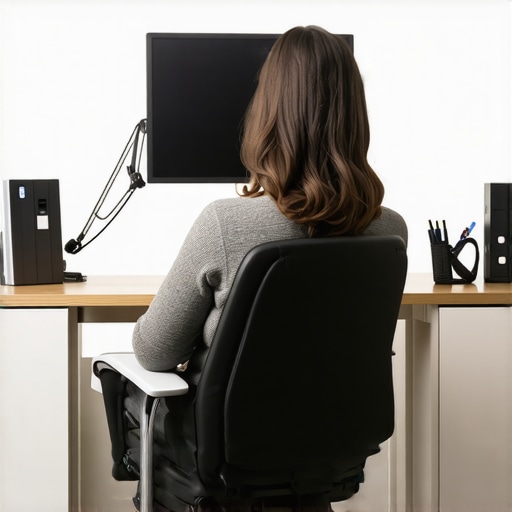
Have you ever caught yourself hunching over your gaming console or laptop, only to feel that pesky ache creep into your shoulders by mid-game? I used to brush it off as just part of long gaming sessions, but one evening I finally had that *lightbulb moment*—what if my posture was quietly sabotaging my comfort and health?
Why Posture Matters More Than You Think
It might seem trivial, but poor posture can lead to nagging pain, stiffness, and even long-term spinal issues. I discovered this the hard way—my back started aching after just a few hours of gaming, and it wasn’t until I read that chronic soreness could be traced back to spinal misalignments that I realized I needed to make a change. According to recent research, bad posture not only causes discomfort but can also impact breathing and focus, making your gaming experience less enjoyable and more fatiguing (source).
Now, I’m not suggesting you have to turn into a posture perfectionist overnight. Instead, I want to share simple, practical fixes that you can implement tonight to start feeling better. These aren’t just generic tips—they’re based on tried-and-true methods that changed my gaming comfort for good. Ready to ditch that persistent hunch and level up your posture? Let’s dive into what you can do starting today.
Is This all Just Overhyped Tech?
I get it—some might think, “Is this really worth all the fuss?” I’ll admit, I made that mistake early on—believing that posture adjustments were unnecessary ghost fixes. But neglecting small, daily postural habits only led to more discomfort and frustration. Trust me, I’ve been there, and I know firsthand that little tweaks make a world of difference. To really get the most out of your gaming setup and avoid future aches, it’s wise to prioritize your spinal health, which you can read about in detail here. Now, let’s get into the tangible fixes that you can start tonight—no fancy equipment needed.
Adjust Your Gaming Setup for Better Alignment
First, evaluate your current gaming environment. Ensure your chair supports your lower back by adjusting the lumbar support or adding a cushion. Your monitor should be at eye level to avoid craning your neck. Think of it like stacking blocks to build a stable tower—each part needs to be precisely aligned to keep everything balanced. I once spent an evening fiddling with my desk height and monitor position; after some trial and error, I found a setup that kept my head and back in a natural, relaxed alignment, reducing tension during long gaming sessions. For more tips on optimizing your workspace, check out this guide.
Incorporate Micro-Movements to Break Stiffness
Every 30 minutes, get up and perform quick mobility drills. A simple analogy is like warming up your car before a long trip—your joints need lubrication to run smoothly. Start with neck tilts, gently dropping your ear to your shoulder, then side-to-side rolls to relieve tension. Follow with shoulder circles, moving your arms in big, deliberate circles to loosen up muscles that tend to hunch forward during gaming. These quick movements are proven to improve blood flow and prevent stiffness. For a structured routine, explore mobility exercises designed for gamers.
Strengthen Your Postural Muscles
Building core strength is essential—imagine your spine as a sturdy bridge supported by pillars; the stronger the pillars, the less sway and sag. Focus on exercises like planks and bird-dogs that target deep stabilizer muscles without requiring fancy equipment. I started doing 20-second planks daily, and within a week, I noticed my shoulders staying back longer without effort. Consistent strength training helps maintain proper posture even during a fatigue-induced late-night session. Dive deeper into tailored strength routines at this resource.
Practice Regular Posture Checks
Throughout your gaming session, pause briefly to assess your alignment. Imagine a string pulling your head upward, aligning your ears over your shoulders. If you notice your chin jutting forward or shoulders rounded, consciously reset by gently pulling your shoulders back and lowering your chin. Making a habit of these mini-adjustments is like tuning a musical instrument—small tweaks lead to harmonious posture. I once set a reminder on my phone every 20 minutes to perform these checks, which significantly reduced my neck strain. Incorporate a simple prompt from this checklist for consistent reminders.
Stay Consistent and Monitor Progress
Posture correction isn’t a one-time fix; it’s a daily habit. Use a mirror or record yourself during breaks to see if your alignment matches the ideal. Think of it as practicing scales on a piano—repetition builds muscle memory. Tracking your improvements helps reinforce good habits, making proper posture second nature over time. For guided assessments, consider consulting a professional through this contact page, ensuring your efforts are on the right track.
Remember, integrating these steps into your gaming routine can lead to immediate relief and long-term benefits. The key is consistency—small changes compounded daily create lasting improvements that allow you to game, relax, and recover without pain.
Many people assume that all spinal adjustments or mobility routines are created equal, but let’s dig deeper into what often goes wrong in the world of posture correction. A prevalent misconception is that one-size-fits-all solutions work universally; in reality, every individual’s anatomy and lifestyle require personalized strategies. For example, relying solely on generic stretching routines without addressing underlying joint restrictions can lead to temporary relief but long-term stagnation (source).
An advanced nuance many overlook involves the dynamics of spinal alignment versus muscular flexibility. While flexibility exercises are essential, they might mask deeper issues caused by joint misalignments that only chiropractic adjustments can correct. Without this correction, muscles tend to compensate, leading to overuse injuries and persistent pain. It’s a trap to think that stretching alone will solve chronic postural problems, when in fact, structural realignment often provides the foundation for lasting improvement (study).
Critically, some tend to believe that mobility exercises are solely about increasing range of motion. However, the key benefit is restoring proper joint function, which stabilizes posture and reduces strain. Performing mobility drills without ensuring that joints are correctly aligned can result in frustrating cycles where improvements plateau or regress. That’s why combining targeted chiropractics with mobility work—like those detailed at this page—can produce synergistic results.
Let me ask: How many times have you practiced mobility routines only to feel no lasting change? Chances are, you overlooked the importance of addressing joint restrictions that hinder progress. The truth is, effective posture correction demands detective work—identifying whether the root cause is muscular, joint-based, or a combination of both. Skilled practitioners employ techniques like spinal adjustments to unlock stubborn misalignments, something that stretching or foam rolling alone can’t achieve (expert tips).
Beware of the trap where quick fixes or trendy gadgets claim to solve posture woes. These often ignore the complexity of spinal biomechanics and the necessity of personalized treatment plans. That’s why consulting professionals who understand the nuanced interplay between mobility and alignment can save you months of ineffective efforts. As shown in recent research, tailored chiropractic care combined with mobility exercises leads to durable posture improvements and greater pain relief (studies).
Have you ever fallen into this trap? Let me know in the comments. Remember, understanding these nuances helps you make informed decisions, ensuring your posture journey is both effective and sustainable.
Maintaining optimal posture and mobility over the long haul requires more than just occasional stretches or adjustments. It demands the right tools and consistent routines to ensure lasting results. One of my favorite devices is a high-quality ergonomic chair that offers customizable lumbar support—personally, I use the Herman Miller Aeron because its adjustable features help me maintain proper spinal alignment during extended gaming sessions. Investing in a supportive chair might seem like a simple step, but the difference it makes in your daily comfort and posture longevity is profound.
Beyond furniture, I rely heavily on mobility tools like foam rollers and massage sticks. Regular use of a foam roller on my upper back and hips helps release muscle tension that often precipitates postural slump. I prefer models with targeted coverage and firm density, such as the TriggerPoint GRID, because they effectively break down fibrous tissue and restore proper joint mechanics. Incorporating this into my daily routine has significantly reduced stiffness and improved my overall mobility.
On the software side, I utilize posture monitoring apps like AI-powered posture trackers to receive real-time feedback and set alerts when I drift into poor positions. These tools serve as digital reminders to correct my posture before habits become ingrained. They’re particularly useful during long work or gaming sessions, ensuring I stay vigilant even when deeply engrossed in activities.
When it comes to professional support, scheduling periodic chiropractic assessments has become essential. I schedule check-ins with my chiropractor every 3-6 months, depending on my activity level, to fine-tune my spinal alignment and prevent deviations. This proactive approach helps me avoid chronic issues that could derail my mobility goals. You can explore how expert chiropractic techniques complement mobility routines for sustained health.
How do I maintain this over time?
The key to long-term success lies in integrating these tools into a holistic routine. Set reminders to perform mobility drills using guided videos or mobile apps, and revisit your ergonomic setup periodically. Tracking progress through photos or journal entries enhances awareness and motivates continued effort. Remember, consistency is your best ally—by making these practices a daily habit, you create a resilient foundation for your posture and mobility that endures beyond a few weeks.
Looking ahead, I predict technology will further personalize posture health, with smarter devices providing adaptive support based on biomechanical data. For now, start with one advanced tip: incorporate targeted foam rolling into your routine to unlock tight joints and muscles, setting the stage for more effective adjustments and long-term mobility. Small, consistent steps today pave the way for a healthier, pain-free tomorrow.
The Hardest Lesson I Learned About Adjustments and Posture
Initially, I believed that quick fixes like stretching or tweaking my chair were enough. But the profound lesson came when I realized that structural misalignments needed targeted chiropractic attention; without correcting underlying issues, my efforts were futile, leading to frustration and ongoing discomfort (source).
3 Myths About Posture and Mobility That Held Me Back
One common misconception was that mobility exercises alone could fix all, overlooking that joint restrictions often require professional adjustments. Another myth was that once your posture improves temporarily, the problem is solved—lasting change requires consistent, integrated approaches. The third myth was believing trendy gadgets could replace personalized care. Recognizing these myths pushed me toward adopting a holistic, tailored routine (study).
What Experts Won’t Tell You About Combining Adjustments with Mobility
Many overlook that the synergy between chiropractic adjustments and mobility work creates a foundation for sustainable posture improvements. For example, adjusting the spine enhances joint mobility, making stretches more effective and reducing compensatory patterns. This insight transformed my approach, emphasizing personalized care over generic routines (
![Is Your 2026 AI Desk Setup Trashing Your Pelvis? [Fixes]](https://quackersneck.com/wp-content/uploads/2026/03/Is-Your-2026-AI-Desk-Setup-Trashing-Your-Pelvis-Fixes.jpeg)