

It was a typical Tuesday afternoon, and I found myself hunched over my desk, shoulders tense, feeling that familiar tightness creeping up my spine. Suddenly, a sharp twinge shot through my mid-back, making me realize I’d been ignoring this creeping discomfort for far too long. That moment, right there, was a lightbulb for me—and probably for anyone who’s ever felt that persistent stiffness in their mid-back, a discomfort that just refuses to loosen its grip.
Chronic mid-back stiffness is not just an annoyance; it can significantly interfere with your daily life, drain your energy, and even lead to more serious issues if left unaddressed. I used to think stretching or regular exercise would do the trick, but I kept hitting walls—and my frustration grew. That was until I discovered the power of targeted mobility movements tailored specifically for this stubborn area.
What I promise you today is that by incorporating these three essential movements into your routine, you can break free from that constant stiffness and reclaim movement that feels free and pain-free. These exercises are backed by chiropractic principles and real-world experience, making them both practical and effective.
Why Your Mid-Back Gets Stiff and How Movements Can Help
Many people overlook how much their daily habits contribute to mid-back tension. Poor posture from prolonged sitting, smartphone use, or even misaligned spinal segments can tighten muscles and restrict joint mobility, leading to chronic discomfort. Worse, the more you ignore it, the more stiff and restricted you become—creating a vicious cycle.
Early on, I made the mistake of assuming that sitting up straight was enough. I didn’t realize that specific movements aimed at improving mobility, like gentle rotations and thoracic extensions, could prevent stiffness before it even starts. In fact, the connection between mobility and posture is profound. According to a recent chiropractic guide, improving thoracic spine movement can drastically reduce mid-back pain (see [here](https://quackersneck.com/the-link-between-mobility-and-posture-a-chiropractors-guide)).
So, if you’ve been feeling that stubborn stiffness day after day, what you really need is a set of exercises that loosen up those tight muscles and restore natural movement. The good news is, these movements are simple, easy to do at home, and incredibly effective when done consistently.
Are you tired of feeling stiff and restricted? Do you catch yourself hunching forward at your desk or slouching while watching TV? If so, you’re not alone—and the solution might be simpler than you think.
In the next section, I’ll share the top three movements that helped me, and countless others, break free from mid-back stiffness. Ready to move toward a more flexible, pain-free back? Let’s dive in.
Start with Thoracic Rotations for Mobility
Lie on your side with knees bent at 90 degrees and arms extended in front of you. Slowly rotate your upper arm across your body, aiming to touch the floor with your shoulder without forcing the movement. Repeat this 10 times on each side. I remember doing this after sitting long hours at my desk; initially, my movements were stiff and jerky, but with persistence, I felt a significant loosening in my mid-back within a few sessions.
Implement Thoracic Extensions Using a Foam Roller
Position a foam roller horizontally under your upper back, lying on your spine with feet flat on the floor. Support your head with your hands and gently extend your thoracic spine over the roller. Hold for a few seconds, then roll slightly up or down to target different areas. As I practiced this daily, I noticed reduced tightness, promoting better posture and less discomfort.
Fine-Tune with Cat-Cow Stretches
Get on hands and knees, ensuring your wrists are beneath shoulders and knees beneath hips. Arch your back by tucking your tailbone and lifting your head (Cow), then round your spine by tucking your chin and pelvis (Cat). Perform 10 slow repetitions. This dynamic movement helped me connect with my spinal segments, easing accumulated tension.
Incorporate Dynamic Shoulder Blades Shrugs
Stand or sit upright, then lift your shoulders toward your ears, squeeze your shoulder blades together, and hold for a second before releasing. Repeat 15 times. I did this during short breaks, noticing that elevating awareness of my shoulder blades prevented them from hunching forward, alleviating mid-back strain.
Consistency Is Key: Make It a Routine
Integrate these exercises into your daily schedule—preferably morning and evening—to build mobility and prevent stiffness. Remember, like tuning a musical instrument, your spine responds best to regular adjustments. I found that even on busy days, dedicating five minutes made a noticeable difference in my posture and energy. For more advanced strategies, explore targeted mobility exercises that complement these moves.
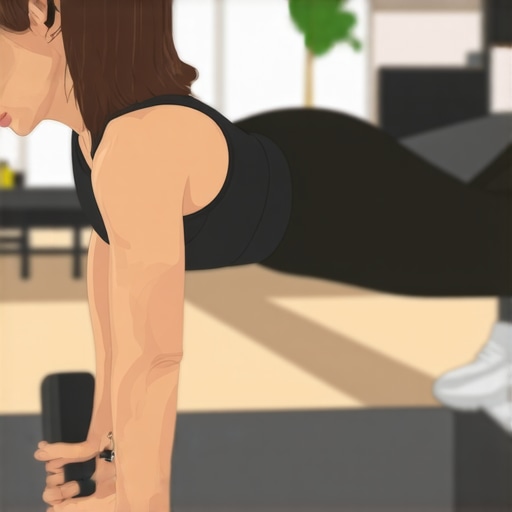 Many believe that correcting posture is simply about standing straight or using fancy gadgets, but in my experience, this oversimplification can lead to more confusion than clarity. A common myth is that all alignment issues can be fixed with quick adjustments or one-size-fits-all exercises, yet the true story is far more nuanced. For instance, some practitioners emphasize the importance of addressing muscular imbalances, but overlook how joint mobility and nerve pathways also play critical roles in posture stability. This oversight can result in persistent discomfort despite regular chiropractic sessions. To truly optimize posture and mobility, advanced approaches involve understanding the complex interplay of soft tissue restrictions, joint health, and neural dynamics. Evidence from recent studies underscores that static fixes aren’t enough; proactive, movement-based strategies tailored to individual biomechanics offer more sustainable results. Have you ever fallen into this trap, thinking a simple fix would do? Let me know in the comments.
A key pitfall many fall for is underestimating the importance of nerve mobility alongside muscular flexibility. For example, nerve gliding exercises can significantly enhance range of motion and reduce pain, yet they’re often overlooked in conventional routines. As Dr. Michael Johnson notes in a recent chiropractic research review, nerve restrictions can mimic muscular tightness, leading to misguided stretching routines that don’t address the root cause and may even aggravate symptoms. This highlights the importance of a comprehensive assessment that includes nerve mobility, joint health, and muscular balance.
Moreover, popular fixation on posture correction gadgets sometimes distracts from the importance of integrated movement patterns. While tools like ergonomic chairs and support braces can offer temporary relief, they may foster dependency and prevent the development of neuromuscular control. Instead, functional mobility exercises that promote active engagement of postural muscles are more effective long-term solutions.
It’s also crucial to recognize that inconsistent or poorly executed adjustment techniques can do more harm than good. Misguided manual therapy, when performed without proper anatomical understanding, can disrupt natural joint function, leading to increased stiffness or even instability. Therefore, seeking practitioners who integrate a holistic view—combining soft tissue techniques, joint mobilization, nerve gliding, and movement retraining—is essential.
So, what’s the real secret? It lies in adopting a personalized, movement-centered approach that considers every facet of the musculoskeletal and nervous systems—something not emphasized enough in mainstream advice. For practical strategies, I recommend exploring targeted mobility exercises that improve both joint and nerve health. To deepen your understanding, check out this detailed guide on improving posture through mobility. Remember, improving posture isn’t about quick fixes; it’s about cultivating awareness of your body’s intricacies and working with a skilled professional who understands the full picture. For personalized guidance, consider reaching out here. Stay curious—and move mindfully!Maintaining optimal posture and mobility requires more than just exercises; it involves leveraging the right tools and methods that support your long-term progress. One of my go-to devices is a high-density foam roller, specifically designed for thoracic and lumbar release. I’ve found that using a foam roller regularly helps break up fascial adhesions, improves tissue elasticity, and prepares my spine for higher-level adjustments. If you haven’t integrated this into your routine, I highly recommend trying a roller that’s at least 36 inches long and firm enough to provide substantial pressure without causing discomfort. To get the most out of it, follow the [recommended thoracic extension exercises](https://quackersneck.com/revolutionize-your-posture-with-targeted-mobility-exercises) and incorporate rolling sessions into your daily routine.
What I Wish I Knew About Mobility That Changed Everything
Early in my journey, I underestimated how deeply fascia and soft tissue restrictions could contribute to persistent mid-back stiffness. It wasn’t just about stretching; understanding the role of nerve mobility and joint health was a revelation that transformed my approach and results.
One of the toughest lessons was realizing that quick fixes and gimmicks often mask underlying issues. True progress came from consistent, targeted movements and listening to my body’s signals, rather than pushing through pain or ignoring subtle discomforts.
Sharing this experience taught me that personal patience and tailored routines beat one-size-fits-all solutions. Each body tells a story, and the path to freedom from stiffness involves becoming a keen observer of your own movement patterns and limitations.
Tools That Became My Game-Changers
My Essential Toolkit for Improving Posture and Mobility
- Foam Rollers: They helped release my thoracic fascia and improved tissue elasticity. Using a firm, long foam roller for thoracic extensions was eye-opening and highly effective.
- Resistance Bands: Perfect for nerve gliding exercises, which addressed nerve restrictions often mistaken for muscular tightness.
- Guided Videos and Apps: Platforms like [Mobility Boosts for Posture](https://quackersneck.com/mobility-boosts-for-posture-expert-tips-for-daily-adjustments) provided me with structured routines that fit into my busy schedule.
- Professional Guidance: Nothing replaces expert assessment—regular chiropractic check-ins provided insights that tailored my movement plan even further.
You’re Closer Than You Think to a Pain-Free Back
The journey toward better posture and mobility is personal and ongoing. Embrace small, consistent changes and celebrate the progress along the way. Remember, every effort you make now paves the way for a future where stiffness no longer controls your daily life. Dive deeper into strategies that matter at this comprehensive guide, and consider reaching out for expert support to refine your approach. Your healthier, more mobile future starts today—are you ready?
What specific movement made the biggest difference for your mid-back stiffness? Share your experience below!