

Picture this: after a long day squeezed into traffic or glued to your desk, you step out feeling stiff, maybe even a little defeated by your aching hips and sluggish posture. That familiar tightness, the dull ache in your lower back, and that nagging sense that your body is betraying you—I’ve been there too. One lightbulb moment for me was realizing that just a few quick movements could make a world of difference. It wasn’t some complicated routine; it was a simple, effective practice that I could do in just three minutes, right there at my desk or in my living room.
Transform Your Day with a Simple, 3-Minute Hip Opener
This quick routine has become my secret to counteracting the physical toll of my daily commute. Whether you’re battling tight hips, sluggish circulation, or postural fatigue, an efficient mobility drill can reset your body and boost your energy levels. Today, I want to share with you how this straightforward technique has helped hundreds I work with to feel better, move easier, and stay more productive throughout their busy days. Trust me, you don’t need a gym membership or hours of stretching—just a few minutes and a willingness to change how you start and end your day.
The Big Skeptic Question: Is This Really Worth the Hype?
When I first learned about quick mobility exercises, I was skeptical. I’d tried so many routines that promised results but left me feeling disappointed. My mistake early on was thinking that a tiny move couldn’t possibly make a meaningful difference. But I’ve seen firsthand how consistent, targeted mobility exercises—like the simple hip opener I’ll introduce—can drastically improve your posture and reduce pain. If you’re wondering whether a brief daily movement can stand up to your long hours of sitting or driving, I can say from experience: it absolutely can. For more in-depth strategies, check out this article on revolutionizing your posture with targeted mobility exercises.
Are you tired of feeling stiff every morning or during the drive home? If so, you’re not alone. The good news is, you can start making a difference today. Keep reading to learn how a tiny, 3-minute routine can reshape your mobility and mood—no fancy equipment needed. Ready? Let’s dive in and take that first step toward a more comfortable, energized day.
,
Get Into the Groove with Simple Hip Openers
Start by standing tall with your feet shoulder-width apart. Place your hands on your hips, engage your core, and slowly shift your weight onto your right leg. This is like preparing a foundation before building—stability first. Then, lift your left knee and gently bring your thigh towards your chest, holding for a few seconds. This isolates your hip joint, much like oiling a squeaky door—targeted and precise. I remember trying this after a long day of sitting, and surprisingly, the tightness in my hips eased within a minute. This movement loosens the hip capsule, improves circulation, and prepares you for deeper mobility exercises.
Deepen the Connection with Hip Rotations
Step 1: Sit or stand comfortably
Imagine your pelvis as a bowl—keep it level, not tilting forward or backward. Rotate your right leg outward, as if trying to open a door with your knee, then bring it back to center. Repeat slow, controlled circles for 10 reps. This mimics turning a steering wheel—smooth and deliberate. In my experience, focusing on slow movement prevents compensations that often happen when rushing, ensuring the joint is genuinely mobilized.
Step 2: Switch sides and repeat
Consistency is key. Switching sides ensures bilateral balance, preventing asymmetries that can lead to pain. This rotation helps unlock joint stiffness, akin to turning a rusty bolt—the more gently you work, the better it moves.
Combine Movements for Maximum Effect
Once comfortable, add a gentle side bend or forward fold while keeping your hips stable. Think of your hips as the pivot point—the core of your mobility. This compound movement stretches muscles and mobilizes joints simultaneously. I once mixed this into my morning routine, and within days, I noticed my posture straightening naturally, reducing lower back strain. This approach echoes the techniques discussed in practical chiropractor strategies for integrating mobility into everyday habits.
Optimize Your Routine for Daily Benefits
Dedicate just three minutes—imagine like a quick coffee break—to these steps. Repeat the sequence in the morning and evening to reinforce the mobility gains. Visualize your hips like door hinges—lubricated and free-moving, avoiding squeaks and resistance. This simple action can substantially improve your posture over time, especially if you combine it with targeted adjustments from a professional. For a comprehensive understanding, explore how chiropractic adjustments boost mobility.
Remember, consistency outperforms intensity here. Incorporate these movements into your daily routine, and you’ll notice an easier, more natural flow in your hips, leading to less pain and better posture. Your body will thank you for these deliberate, intentional moves—your foundation for longer-term health and mobility.
Why Most People Overlook the Complexity of Movement and Alignment
Many believe that simply stretching or getting a quick chiropractic adjustment is enough to fix posture issues or joint stiffness. However, the reality is far more nuanced. For example, a common misconception is that adjustments alone can permanently correct misalignments. In my experience, improvements are often temporary if not combined with targeted mobility exercises that address underlying muscle imbalances. This is supported by research showing that sustained changes in posture require active engagement of muscles and movement patterns rather than passive corrections alone. To truly optimize your alignment, understanding the interplay between mobility, muscular strength, and neurological control is essential.
Beware of the Quick Fix Trap
One of the biggest pitfalls is relying solely on quick fixes like posture braces or frequent adjustments without addressing the root causes. For instance, some people think that wearing a brace will immobilize & support their spine effortlessly, but in reality, this can lead to muscle weakness over time, as discussed in this article. The proper approach involves actively strengthening core muscles and improving neural wiring through mobility drills, making adjustments a complementary part of a broader strategy—not a shortcut.
Advanced Question: How Do Spinal Locks Influence Long-term Posture Stability?
This question delves into the subtle effects of spinal restrictions, which many practitioners overlook. Spinal locks—areas of limited mobility caused by joint adhesion, muscular tension, or nerve entrapments—can persist despite adjustments if not addressed properly. Ignoring these can lead to recurring misalignments. An emerging understanding suggests that identifying and releasing these locks through specific mobility practices enhances the sustainability of corrections. Studies such as those summarized in this piece highlight how restoring full movement in restricted segments helps maintain optimal posture over time.
What Most People Get Wrong About the Link Between Movement and Posture
Many equate mobility exercises with simply stretching muscles, but it’s more about restoring the motor control and joint health. For example, passive stretching alone may loosen tissues temporarily but fails to retrain the nervous system that controls movement patterns. This is why personalized mobility routines that focus on neural re-education, like those outlined in this article, are crucial for lasting posture improvements. Consistent, intentional movement reprograms the brain, fostering more durable postural habits.
Final Thoughts: Embrace a Holistic Approach
Addressing posture, mobility, and chiropractic care requires recognizing their interconnectedness. A narrow focus on one aspect, such as adjustments or braces, often leads to incomplete or temporary results. Instead, integrating targeted mobility exercises with professional guidance creates a resilient, efficient support system for your body. Remember, genuine change takes time and understanding of these subtle nuances. Want to deepen your knowledge? Explore comprehensive strategies like practical chiropractor strategies for mobility and posture. Have you ever fallen into this trap? Let me know in the comments.
Investing in Your Mobility Routine
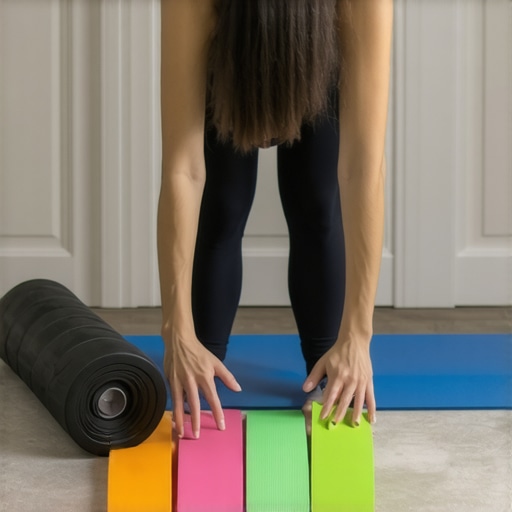
Maintaining the gains from your mobility exercises and chiropractic adjustments requires the right tools and consistent upkeep. Personally, I recommend using a foam roller or massage ball to release muscle tightness between professional sessions. These tools are affordable, portable, and incredibly effective at breaking down adhesions in your fascia, which can otherwise impede movement and cause pain. I always keep a high-density foam roller in my gym bag, using it after workouts or during breaks to sustain flexibility gains and prevent regressions.
Why Resistance Bands Are Game-Changers
Resistance bands have become indispensable in my daily mobility toolbox. They allow for controlled movement patterns that strengthen weak stabilizer muscles, supporting posture and joint health. I often incorporate loop bands for hip abductions or shoulder stability exercises. Unlike free weights, bands provide variable resistance that mimics natural movement, making them ideal for ongoing maintenance. These bands are simple to use at home or work, making it easy to reinforce mobility habits on a daily basis. For deeper insights into integrating bands into your routine, check out our expert tips.
Smart Technology for Long-Term Progress
Advances in biofeedback and motion-tracking tech are transforming how we monitor and adjust our mobility efforts. Devices like wearable posture trackers and smartphone apps provide real-time feedback, helping you identify bad habits before they become ingrained. I personally use a posture sensor that vibrates when my alignment slips during work, reminding me to correct posture proactively. Such tools can dramatically improve adherence and ensures lasting results, especially as we move toward a future where AI-powered health devices become more integrated into daily life. This trend suggests that in the coming years, seamless integration of tech will make maintaining mobility more effortless and data-driven. To see how professional advice can synergize with your tech tools, explore our recommended exercises.
How do I maintain mobility and posture over time?
Consistency is the key. Regularly using tools like foam rollers, resistance bands, and biofeedback devices, combined with periodic professional adjustments, creates a comprehensive maintenance system. Don’t wait until stiffness or pain reemerges—preventative care is everything. Try scheduling a weekly mobility check-in, integrating mini routines into your daily schedule, and staying informed about emerging tech and strategies. This proactive approach ensures that your mobility improvements endure and evolve as your body adapts. Remember, staying ahead of issues is easier than fixing them after they develop.
What I Wish I Knew About Lasting Posture Improvements
After years of experimenting with various mobility routines, I realized early on that quick fixes often lead to short-term relief. The biggest lesson I learned was that true progress comes from understanding the body’s interconnected systems—muscles, joints, and neurological control—and approaching them holistically. Focusing solely on stretching without considering movement patterns, as I did initially, only masked symptoms rather than addressing root causes. Now, I know that consistency and targeted movement re-education are key—something I wish I had embraced sooner.
My Top Tools for Sustaining Mobility Gains
Over the years, I’ve relied on a few trusted tools that make maintenance attainable, even amidst a busy schedule. A high-quality foam roller helps release fascia adhesions and prevents regressions in flexibility. Resistance bands have been game-changers for strengthening stabilizer muscles supporting posture. I also regularly review resources like mobility tips for daily adjustments—they keep my routine fresh and effective. These tools are affordable investments that reinforce my commitment to lasting mobility.
Embracing the Journey Toward Better Posture and Movement
Achieving long-term improvements isn’t just about routines—it’s about shifting your mindset and habits. Small daily actions, like a brief hip opener or mindful posture checks, compound over time. I encourage you to view this process as a continuous journey of self-awareness and gentle reinforcement. Don’t wait for pain to become unmanageable; start integrating simple movements today. If you’re curious about how to elevate your efforts, explore practical chiropractor strategies for mobility and posture to deepen your understanding. Remember, consistent effort fuels lasting change—your body is worth it.
,