

It was one of those evenings when I caught a glimpse of myself in the mirror— shoulders rounded, neck craned forward, and a spine that felt like it had been through a long workout without the benefit. That sinking feeling of realization hit me hard. I’d spent the entire day glued to my desk, hunched over screens, neglecting my body’s natural need for movement and alignment. Ever had that moment? That lightbulb flicker where you realize your posture isn’t just a bad habit but a silent, slow road to discomfort—and worse, chronic pain?
The Power of a Simple Evening Reset
Since then, I’ve learned that reversing the damage of all-day sitting doesn’t require hours at the gym or fancy equipment. Instead, it’s about carving out just five minutes at the end of my day for a targeted routine. This small but mighty practice has transformed not only my posture but my overall sense of well-being. My goal here? To share that secret with you—because I know you’re busy, just like I am, and you need something practical that delivers real results without the time-suck.
Today, we’ll explore a straightforward evening routine designed to undo the tension, stiffness, and misalignments that build up during your daily grind. Trust me, your body will thank you. This routine isn’t just a quick fix; it’s a foundational shift that helps you take control and stay active, even if your work keeps you seated for hours. Ready to turn your evenings into a healing ritual rather than a time to tighten up and suffer through pain? Let’s dive in.
Does This Really Work? The Skeptic’s Dilemma
I’ll be honest—I was skeptical at first, too. My early mistakes? Jumping into complicated stretches without proper guidance, and neglecting key mobility areas that actually matter. I thought I could stretch my way out of sitting-related pain, only to find that half the stuff I was doing might be making things worse. The truth? There’s a science-backed reason why targeted, gentle movements are more effective than random stretching. According to a recent study, consistent mobility exercises can significantly improve posture and reduce pain caused by prolonged sitting (more details here). So, yes, it’s worth it—when done correctly.
If you’ve ever wondered whether this routine is a worthwhile investment of your time, I get it. I’ve been there. But I can confidently say that a few minutes each evening, focused on the right movements, can literally change the way you feel—before discomfort becomes chronic. Ready to see how? Keep reading, because the practical steps are just ahead and will help you reclaim your evenings—and your body.
Start with Gentle Spinal Mobilizations
Begin by lying on your back on a firm surface and gently rocking your knees side to side, similar to a relaxed twist. This motion helps mobilize your lumbar spine, easing stiffness from prolonged sitting. I learned this trick accidentally after a long workday when my lower back felt like a frozen, tight coil. After a few minutes, I felt a noticeable release, and my mornings became less stiff.
Incorporate Shoulder Blade Drills
Stand against a wall with your arms at 90 degrees, then slowly slide your shoulders up and down, as if shrugging and releasing tension. This helps realign your upper back and open up your posture. I recall doing this while watching TV, deliberately focusing on slow, controlled movements. The result? My shoulders no longer felt like they were carrying weight unnecessarily.
Focus on Hip and Pelvic Resetting
Perform a bridge exercise by lying on your back with knees bent and feet flat, then lift your hips off the ground, squeezing your glutes. This activates your posterior chain, helping stabilize your pelvis. I found this particularly effective after sitting all day; it reset my hip alignment and felt like a mini chiropractic adjustment in motion.
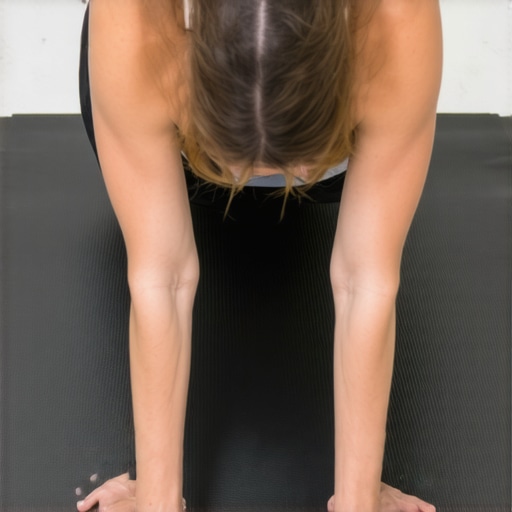
This visual demonstrates proper bridge positioning, emphasizing the importance of glute activation for pelvic stability.
Practice Deep Diaphragmatic Breathing
Lie flat, place one hand on your chest and the other on your abdomen, then breathe deeply through your nose, focusing on expanding your belly. This reduces tension in the neck and shoulders, improving overall posture. I used to breathe shallowly during work stress, which worsened neck tightness. Shifting to deep breaths cleared my mind and relaxed my muscles.
Stretch the Upper Traps and Neck
Gently tilt your head to one side, bringing your ear toward your shoulder, and hold briefly. Repeat on the other side. This alleviates upper cervical tension that often results from poor posture. I remember cringing before doing this; after a few gentle stretches, the persistent tightness disappeared, and I felt a lighter neck movement.
Apply Targeted Mobility Tools
Use a foam roller or massage ball on tight areas like your upper back and hips. Roll slowly, pausing on tender spots. This self-myofascial release complements the active movements, softening fascia and muscles trapped by daily strain. I initially thought this was optional, but integrating rolling has significantly improved my flexibility and pain levels.
Implement Consistency and Awareness
Finish your routine by standing tall, with shoulders back and chin slightly tucked. Hold this posture for a few breaths, embodying the correction. Remember, consistency is key; just five minutes nightly fosters long-term change. My own experience shows that regular, mindful practice is more effective than sporadic stretching or quick fixes.
These actionable steps build upon an understanding of how the spine, hips, and shoulders work together. For deeper insights, consider consulting experts or visiting this resource to refine your routine. Your body has the potential to heal and strengthen daily, with simple movements that take minimal time but yield lasting results.
Many people assume that chiropractic adjustments are a quick fix or that they can replace the need for ongoing mobility work. However, this misconception overlooks the nuanced reality of spinal health. **Contrary to popular belief,** adjustments alone won’t sustain long-term improvements in posture or mobility without proactive maintenance and lifestyle changes. In fact, relying solely on adjustments can sometimes foster a false sense of security, leading to neglecting daily habits that truly influence spinal health.
A prevalent trap is thinking that pain relief from a quick adjustment means the problem is permanently solved. In reality, **chronic posture issues** often stem from ingrained habits and muscular imbalances that adjustments alone can’t fully correct. This misconception can lead to repetitive cycles of temporary relief without addressing underlying causes. As I discuss in my guide to improving mobility, consistency in daily routines is critical for lasting results.
Another common myth is that stretching is always beneficial after adjustments. While flexibility is vital, overdoing passive stretching without strengthening or mobility work can sometimes worsen imbalances or create new issues. Active mobility exercises are essential to recondition and stabilize the spine and surrounding muscles, which is why I emphasize targeted movements over mere stretching.
### Why Do People Get It Wrong?
Many assume that a chiropractor can ‘fix’ their posture in one session, but spinal health is inherently dynamic—it requires ongoing attention, much like a garden needs regular tending. Quick fixes neglect the importance of **mobility habits** and ergonomic awareness in daily life. For lasting improvements, integrating mobility drills and posture awareness into your routine makes a significant difference.
Furthermore, some think that adjustments can be done at home with self-manipulation tools, but improper technique can do more harm than good. The *danger* is that misguided self-adjustments may disrupt joint integrity or mask pain temporarily, leading to delayed treatment. It’s crucial to consult with a qualified professional, like those at our clinic, to ensure safe and effective care.
### The Hidden Nuance: Why Repetitive Poor Habits Nullify Adjustments
Even the most skilled chiropractic adjustments can be undermined if you continue harmful habits—such as prolonged sitting, poor ergonomics, or neglecting mobility exercises. Think of adjustments as resetting a misaligned wheel; if you don’t also remove the cause of the misalignment, the problem will recur. That’s why the best approach combines adjustments with ongoing active mobility and ergonomic improvements.
My advice? Don’t fall into the trap of thinking adjustments are an instant fix. Instead, see them as part of a comprehensive plan that includes daily mobility exercises, awareness of posture, and lifestyle tweaks. You can learn more about the science behind this approach in this detailed guide.
### Advanced Question: Can I rely on mobility alone without chiropractic adjustments?
While mobility exercises are powerful, they address muscular and soft tissue issues to improve range of motion and posture. However, if there are specific joint restrictions or misalignments, adjustments can provide targeted correction that mobility alone may not achieve. Combining both strategies offers the most holistic benefit, especially for chronic issues. To explore how these approaches integrate, check out this resource.
Remember, long-term spinal health hinges on understanding the full picture—it’s about maintaining a balance between professional adjustments, active mobility, and daily habits. Have you ever fallen into this trap? Let me know in the comments.Maintaining your spinal health and mobility over the long term calls for more than just occasional stretches or adjustments; it requires a set of reliable tools and techniques that seamlessly integrate into your daily routine. One game-changer I personally swear by is the use of targeted mobility equipment like foam rollers and massage balls. These aren’t just for athletes—they’re essential for anyone committed to long-term posture and pain management. For precise self-myofascial release, I prefer a dense foam roller with ridges, as it effectively addresses my upper back and hips, reducing muscle knots that often resist static stretching. The key is to roll slowly and pause on tender spots, transforming what seems like a simple habit into a powerful renewal method. I also incorporate small, portable massage balls for pinpoint trigger point therapy, especially on the shoulders and neck, areas most prone to tension accumulation from prolonged sitting.
Beyond physical tools, consistency is supported by digital resources. I highly recommend using specialized apps that guide mobility routines tailored to your needs. For example, apps like “MobilityWOD” provide quick, effective routines that complement my manual tools and ensure I don’t skip essential movements on busy days. These apps often include variations for different body types and injury histories, aligning with the personalized approach advocated in this comprehensive resource.
Looking ahead, the trend is moving toward AI-driven mobility assistants that analyze your movement patterns via smartphone sensors or wearable tech, offering real-time feedback and customized exercises. This convergence of technology and corrective care promises an exciting future where maintaining spinal health becomes more accessible and adaptive.
To truly embed this into your lifestyle, set aside a few minutes daily for using your chosen tools. Incorporate targeted rolling sessions post-work and before bed, and leverage mobile apps for quick mobility drills during breaks. Over time, you’ll notice improvements in flexibility, pain reduction, and posture, making these tools indispensable for long-term health. Remember, your body’s resilience depends on consistent, intentional maintenance—so give these tools a dedicated space in your daily habits.
**How do I maintain postural health and mobility over time?** Consistency is paramount. Establish a short daily routine using your foam roller, massage ball, or app-guided exercises. Periodically reassess your needs and tweak your tools or routines accordingly. For deeper, personalized guidance, consider consulting professionals at our clinic. Start incorporating one new mobility habit today—your future self will thank you for it!
The Hardest Lesson I Learned About Spinal Care: Trust the Process, Not Just Quick Fixes
One of my most profound realizations was that lasting posture improvement requires patience and consistency. Early in my journey, I relied heavily on quick adjustments and passive stretches, hoping they’ll fix everything overnight. However, I discovered that my body needed active engagement and daily habits to truly transform. Recognizing this changed my approach entirely and deepened my understanding of spinal health.
Gear Up Wisely: My Favorite Tools for Long-Term Posture Success
Over the years, I’ve curated a set of reliable resources that support my mobility and posture. The chiropractic adjustments provide the foundational corrections, but supplementing with foam rollers and massage balls has been a game-changer. These tools allow for targeted self-care, especially on busy evenings, and empower me to take control of my recovery process.
Keep Moving Forward: Embrace Daily Habits for Lasting Change
The most inspiring part is realizing that even small, consistent efforts can overhaul one’s posture over time. Whether it’s a quick mobility drill before starting work or a gentle stretch after hours at the desk, these habits create ripple effects of health. My advice? Start with one simple movement each day—your future self will thank you, and your body will thank you even more.