
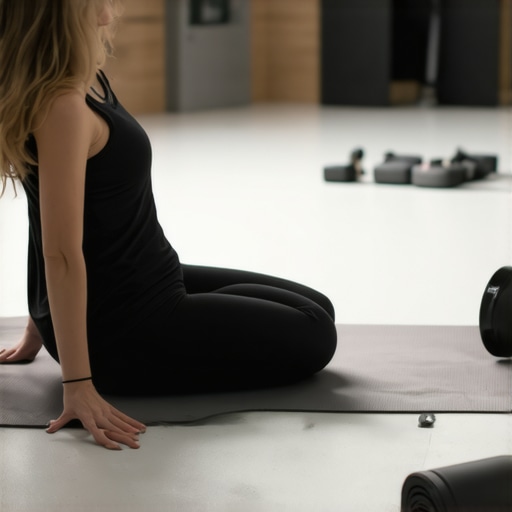
It was a morning like any other, and I reached for my coffee mug when suddenly a sharp jolt shot through my lower back. I froze, realizing that my everyday movements—something as simple as bending down—had become a source of pain and frustration. That moment was a lightbulb for me: I needed a better way to heal and strengthen my spine, rather than just endure the discomfort.
Discovering the Power of Targeted Movement
As someone who’s walked this path, I can tell you firsthand that recovery from a herniated disc isn’t about avoiding activity altogether; it’s about smart, guided exercises that support healing. Over time, I learned that specific mobility and strengthening routines can make a huge difference in reducing pain and preventing future setbacks. Today, I’ll share proven techniques that helped me—and can help you—restore your spinal health.
What You Need to Know Before Starting Any Exercise Regimen
Before diving into exercises, it’s crucial to remember that not all movement is created equal—especially when your back is involved. Early on, I made the mistake of pushing through pain, thinking rest was the answer. That only made things worse. Consulting with a healthcare professional and focusing on gentle, appropriate exercises became my game-changer. If you’re wondering whether these exercises are suitable for you, considering a visit to a chiropractor or a physiotherapist is a wise step. They can tailor a plan that fits your specific needs.
Is stretching or strengthening more important during herniated disc recovery? The answer isn’t black and white. It’s about finding the right balance, which we’ll explore next, along with practical tips backed by expert knowledge. Ready to take control of your healing journey? Let’s get started.
Engage in Gentle, Targeted Movements Daily
Start with basic mobility exercises like pelvic tilts or knee-to-chest pulls. I remember a day I carefully did seated cat-cow stretches at my desk, feeling awkward but persistent. Over time, I noticed reduced stiffness and less pain after sitting long hours. To get familiar with mobility routines that support recovery, explore [mobility hacks](https://quackersneck.com/mobility-hacks-simple-adjustments-for-a-more-active-life) designed for spine health. Remember, consistency beats intensity—small daily movements stimulate healing without overloading your back.
Learn Proper Posture Alignment
Maintaining correct posture is crucial. Think of your spine as a stack of perfectly aligned building blocks—when one block shifts, the entire structure becomes unstable. I caught myself slouching during work, which worsened my discomfort. One effective fix is consciously *tucking your chin* and pulling shoulders back while sitting. Using ergonomic tools like adjustable chairs and monitor stands can reinforce good habits. For detailed guidance, consider [posture improvement techniques](https://quackersneck.com/enhance-your-posture-with-expert-chiropractic-techniques-in-2025). Small adjustments in your daily setup can prevent bad habits from becoming chronic issues.
Implement Controlled Strengthening Exercises
Strengthening core muscles stabilizes the spine. I began with simple planks, maintaining a flat back like a sturdy table, avoiding the sagging that can cause strain. A slightly messy start—holding plank positions too long—taught me to start slow and build endurance. Incorporate exercises like bird dogs or bridges, paying attention to form. Think of your muscles as the cables supporting a suspension bridge; if the cables are weak, the bridge sags. Find a routine that challenges but doesn’t harm using [chiropractic-specific strengthening tips](https://quackersneck.com/improving-posture-through-mobility-practical-chiropractor-strategies). Regularly progressing in intensity helps rebuild lost strength and resilience.
Practice Controlled Breathing to Relieve Tension
Deep breathing can unlock tension stored in your lower back. I remember inhaling slowly into my abdomen while lying down, imagining my breath heating and softening tight tissues. This slow, deliberate breath acts like oil in a squeaky hinge, easing movement. Focus on inhaling through your nose, filling your belly, then exhaling fully. For bonus techniques, visit [breathing strategies](https://quackersneck.com/how-to-breathe-into-your-lower-back-to-relieve-tension). Proper breathing supports nerve and muscle relaxation, reducing soreness and promoting blood flow to aid healing.
Seek Guidance for Correct Technique and Progression
While self-directed exercises are helpful, professional guidance ensures safety. I scheduled periodic visits with a chiropractor who tailored adjustments and provided feedback on my exercises. It’s like having a coach correct your form to prevent injuries—a small tweak can make a significant difference. To find a skilled expert, visit [chiropractic care](https://quackersneck.com/why-chiropractic-care-is-your-secret-weapon-for-better-posture). Regular assessments help adapt your plan as you improve, ensuring lasting results without setbacks.Many assume that chiropractic adjustments are a quick fix or that they solely involve cracking bones to realign the spine. However, this oversimplification ignores complex nuances that can significantly impact your healing process. For example, a prevalent myth is that adjustments provide immediate relief, but in truth, the true benefits often come from a consistent, comprehensive approach that includes mobility work, posture correction, and strengthening routines. Overlooking these aspects can lead to incomplete recovery or even setbacks.
Why Do Some Adjustments Fail Long-Term, Despite Regular Visits?
One common oversight is treating adjustments as standalone solutions rather than part of an integrated strategy. Without addressing underlying mobility limitations or postural habits, the spine can revert to its misaligned state. Evidence suggests that combining chiropractic care with tailored mobility exercises significantly enhances durability of results (source). Moreover, many believe that posture correction is about holding perfect positions. In reality, it’s about creating sustainable habits that promote spinal health throughout daily activities. The subtlety here is recognizing that posture isn’t static but dynamic, requiring ongoing mindfulness and movement variability. Beware of the trap of over-reliance on passive therapies alone, which can foster dependency rather than promote autonomous health. Instead, fostering a full understanding of the interplay between adjustments, mobility, and habitual postures is key. Advanced practitioners focus on unlocking these nuances to prevent re-injury, ensuring that adjustments are part of a holistic lifestyle change. For those eager to learn more about how mobility and posture influence long-term spine health, visiting this comprehensive guide can be enlightening. Have you ever fallen into this trap? Let me know in the comments.Maintaining your spinal health long-term requires more than just good habits; the right tools and routines can make a significant difference. Over the years, I’ve discovered specific equipment and techniques that help me stay on track and optimize my mobility.
How do I maintain my mobility and posture over time?
One essential tool I swear by is a high-quality foam roller. It helps release muscle tightness and improve my tissue elasticity, which is crucial for keeping my spine flexible. I prefer a dense, textured foam roller because it provides targeted pressure without overdoing it. Using it daily after workouts or extended periods of sitting has prevented many aches and stiffness.
Another game-changer is a lumbar support pillow, especially during long drives or desk work. I rely on a memory foam cushion with adjustable height to ensure my lower back maintains its natural curve. This simple addition has drastically reduced my episodes of lower back pain and promotes better posture throughout the day. Proper support like this complements my mobility exercises and ensures my spine remains aligned.
For tracking and reinforcing good habits, I use posture reminder apps. An app like ‘Upright’ sends gentle prompts to correct your position, which is especially helpful when working in front of a computer. I’ve found that consistent alerts help form sustainable habits, reducing passive slouching that often creeps in during busy days.
On the software side, I utilize specialized mobility routines based on expert recommendations. For example, the routine outlined in this comprehensive guide offers targeted exercises that I incorporate weekly. Combining physical tools with guided routines ensures a holistic approach to spinal health.
In the future, I predict that wearable technology with real-time feedback will become standard for posture correction. Devices that monitor your spine and provide instant adjustments could revolutionize long-term posture maintenance, making proactive care more accessible.
If you’re serious about keeping your spine healthy and functioning optimally, I recommend starting with a foam roller and an ergonomic support cushion. Incorporate daily mobility drills and utilize reminder apps to reinforce good habits. These tools, paired with professional guidance, can help you sustain results and prevent setbacks. For personalized advice or to explore additional strategies, consider consulting a chiropractor through their contact page. Remember, consistent use of the right tools is key to long-term success. Try integrating a targeted mobility drill from this resource into your daily routine—your back will thank you.
The Unexpected Turns in My Spinal Recovery Journey
During my path to healing, I realized that some of the toughest lessons came from mistakes—like ignoring the importance of consistent mobility or underestimating how bad posture habits can sneak in during busy days. Understanding that pain is often a symptom of deeper, habitual issues was transformative. It taught me that long-term back health isn’t just about quick fixes but about cultivating daily awareness and proactive habits.
Tools That Truly Elevated My Posture Game
My personal toolkit includes more than just exercises. A high-quality foam roller has been pivotal in maintaining tissue elasticity, while ergonomic support cushions keep my spine aligned during long work sessions. Posture reminder apps serve as gentle accountability partners, making mindfulness a seamless part of my routine. These tools didn’t just improve my back—they empowered me to take control over my spinal health every day.
Your Next Step Begins Now
Remember, achieving lasting back health isn’t reserved for special sessions or fancy equipment; it’s built on everyday choices and consistent actions. Embrace the small, mindful movements and habits that support your spine. With patience and persistence, you can transform your back health and reclaim your mobility. You’ve got this—start today, and never underestimate the power of your commitment.
What small change will you commit to today to improve your spinal health? Share your plan below and let’s support each other on this journey.