
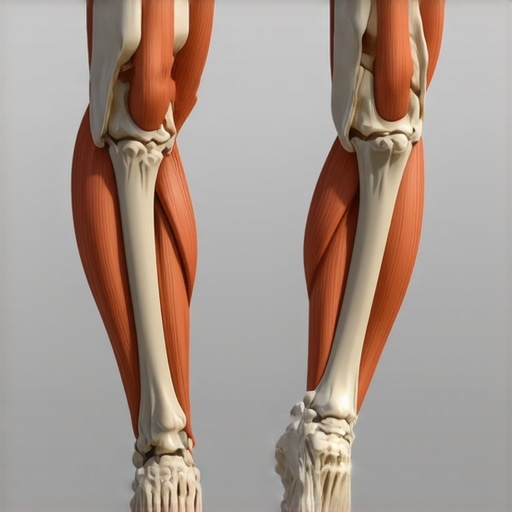
It hit me like a bolt of lightning during a morning walk when I suddenly felt that familiar, nagging pinch in my hip that just wouldn’t go away. I had always thought my posture was decent, and I never considered my feet could be the sneaky culprit behind my persistent discomfort. That realization was a game-changer. If you’ve ever experienced a persistent hip ache that seems to come out of nowhere, especially after a long day or an intense workout, then you’re not alone. Many overlook the connection between their feet and the pain they feel higher up in their hips.
Why Your Flat Feet Might Be Causing That Unwanted Hip Pinch
The human body is a fascinating, interconnected system. When something goes awry at the foundation, like flat feet, it can ripple upward, creating issues in seemingly unrelated areas. I learned that flat feet can alter your walking gait, leading to misalignment and increased strain on your hips. Over time, this misalignment can cause what’s often described as chronic hip pinching—a sharp, uncomfortable sensation that worsens with activity.
The interesting part? Many don’t realize that correcting foot posture can significantly improve hip pain. A study published in the Journal of Orthopaedic & Sports Physical Therapy emphasizes that foot and ankle mechanics play a crucial role in overall posture and movement patterns. Recognizing this was my turning point.
If you’ve been battling stubborn hip discomfort and have tried several treatments without success, I invite you to consider the role your feet might play. Sometimes, the answer isn’t in the hips themselves but just below, at your soles.
And that’s precisely what we’ll explore in this post. I’ll share practical insights, personal adjustments I made, and how addressing flat feet can lead to a noticeable improvement in hip health.
But first, I want to ask—have you ever considered how your foot structure might be influencing your hip pain? Chances are, it’s more connected than you imagine.
Is The Fix Just About Shoes, or Is There More?
Early on, I made a classic mistake: I thought switching shoes would solve everything. But I was missing the bigger picture—how my mobility and alignment were intertwined. It’s easy to underestimate the importance of correct movement patterns and proper adjustments. Interestingly, simple mobility strategies can make a huge difference, and I found that by focusing on targeted mobility exercises, I could see real progress. Want to boost your movement and find relief? Check out [mobility-boosts for posture expert tips](https://quackersneck.com/mobility-boosts-for-posture-expert-tips-for-daily-adjustments) to start.
Now, before diving into solutions, let’s understand why addressing flat feet might be the missing piece in your journey to pain-free hips. It’s a step worth taking—literally.
Identify and Assess Your Foot Posture
Start by examining your feet. Sit comfortably and remove your shoes. Look for arches; flat feet will have little to no visible arch. To test further, wet the soles of your feet and stand on a piece of paper. If your footprint shows almost the entire sole, you likely have flat feet. personal story: I took a mirror and my shoes to a podiatrist and learned how my arch was almost nonexistent, which explained the uneven gait contributing to my hip pain. Recognizing this was the first concrete step towards addressing the root cause.
Implement Targeted Mobility Exercises
Next, incorporate specific mobility drills to enhance foot and ankle flexibility. Visit this resource to find exercises like ankle circles, toe stretches, and heel lift drills. Consistency is key: dedicate 10 minutes daily to these movements. I started with simple ankle rolls during my coffee breaks, and after two weeks, I noticed improvements in stability and reduced hip strain.
Use Proper Footwear and Support Devices
Choosing the right shoes is crucial. Opt for footwear with good arch support or consider custom orthotics. Visit a podiatrist for a professional assessment and personalized insoles. Remember, insoles aren’t just for comfort—they realign your foot posture, lessening the strain transferred upward. I experimented with over-the-counter orthotics first, then upgraded to custom inserts, which made a noticeable difference in my gait and hip comfort. Learn more about chiropractic support.
Strengthen the Supporting Muscles
Building strength around the feet, ankles, and lower legs stabilizes your arches. Incorporate exercises like toe raises, heel walks, and resistance band ankle pulls. These help reinforce the musculature responsible for maintaining proper arch height. I included resistance band drills into my routine and integrated them with my warm-up before walks, which significantly improved my foot muscle tone. Strengthening these muscles reduces compensatory movement patterns that can harm your hips.
Progress Slowly and Track Changes
Impatience can hinder progress. Record your daily exercises, note discomfort levels, and observe gait changes over weeks. Small, consistent improvements add up. I kept a simple journal and, after a month, recognized better alignment during walks and decreased hip pain. Remember, realignment takes time. Patience and persistence ensure lasting results.
Consider Professional Assistance
If self-led efforts yield limited progress, consult a healthcare professional. A podiatrist, chiropractor, or physical therapist can provide tailored adjustments. They may perform a gait analysis or manual corrections to optimize your mobility. For my own journey, visiting a chiropractor provided subtle adjustments that complemented my exercises, accelerating my recovery. Explore how chiropractic care enhances posture.
Many people assume that following generic posture advice or relying solely on adjustments guarantees long-term relief, but this overlooks subtle nuances that can hinder progress. A common mistake is believing that static corrections, like standing desks or specific stretches, are enough to fix complex musculoskeletal issues. In reality, posture is dynamic, requiring continuous movement integration and muscle balance. Experts like Dr. Kelly Starrett emphasize that mobility training is crucial, yet many fall into the trap of static stretching alone, which might even reinforce poor habits if not combined with strengthening exercises.
Are We Overlooking the Brain’s Role in Motor Control?
Research shows that the brain’s motor pathways significantly influence postural habits. Mislearning or ingrained movement patterns can persist despite physical adjustments, because the nervous system adapts to the existing motor repertoire. An article in the Journal of Neuroscience highlights that neuroplasticity allows for retraining through targeted exercises, but only if the correct neural pathways are engaged consistently. This nuance is often missed, leading to quick regressions after corrective sessions.
Another prevalent myth is that adjustments create permanent fixes. While chiropractic or manual therapies can provide immediate relief, without addressing the underlying movement dysfunctions and muscle imbalances, symptoms often recur. The danger here is over-reliance on adjustments as a standalone solution, rather than part of a comprehensive mobility and strengthening program. For example, combining adjustments with mobility drills such as those outlined in targeted mobility exercises ensures sustainable improvements.
Furthermore, many practitioners overlook the importance of contextual factors like ergonomics, daily habits, and even psychological stress that influence posture. This holistic view is supported by recent studies emphasizing that posture correction is multifaceted. Ignoring these aspects can lead to frustrating setbacks, despite repeated adjustments or stretching routines. Embracing a systems-based approach that includes mobility, neural retraining, and lifestyle modifications can drastically improve outcomes.
So, instead of solely focusing on location-specific treatments, consider how your entire movement ecosystem functions. Have you ever fallen into this trap of thinking a quick fix will last forever? Let me know in the comments.
**Remember, mastering posture involves understanding its complex, adaptive nature. Incorporate mobility and neural strategies, and avoid the pitfall of static, short-term fixes. For more insights, explore how chiropractic adjustments can be part of a broader mobility plan.Maintaining your posture and mobility over the long term requires more than just sporadic exercises; it demands the right tools and consistent routines. One of my favorite methods is utilizing a foam roller with a specially textured surface. I prefer the Grid Foam Roller because its varied nubs help target deeper fascia layers, improving circulation and reducing muscle tightness that can compromise posture. I use it daily after my mobility drills, especially on my calves and upper back, to release tension and encourage better alignment.
For precise trigger point release and muscle relaxation, I rely heavily on lacrosse balls. These small, firm balls are perfect for pinpointing stubborn knots in areas like the hip flexors and shoulders. I place the ball against a wall or the floor and gently work through tight spots. Personally, I find incorporating lacrosse ball routines into my evening stretches significantly helps sustain my mobility gains.
When it comes to tracking progress and maintaining exercise consistency, I leverage mobility tracking apps like PhysiApp. This software allows me to follow customized mobility routines, set reminders, and monitor improvements over time. Digital tools like these align well with busy schedules, ensuring I stay accountable.
On the professional side, I incorporate chiropractic support and periodic adjustments, which can correct subtle misalignments that accumulated over days of poor posture. Regular visits—about once every six weeks—keep my nervous system optimized for movement and recovery. A study in the Journal of Manipulative and Physiological Therapeutics highlights how periodic chiropractic care supports maintenance by reinforcing structural benefits obtained through mobility exercises.
Looking towards the future, I predict that wearable technology—such as smart posture trainers—will become more sophisticated. These devices will give real-time feedback, alerting wearers when they adopt poor postures and suggesting corrective movements instantly.
## How do I maintain postural health over time?
To truly keep your posture and mobility working for you, consistency is key. It’s vital to embed daily mobility workouts into your routine—targeted movements that address your specific limitations. Additionally, investing in high-quality self-myofascial tools like foam rollers and lacrosse balls allows you to perform effective self-care whenever needed. Combining these tools with professional support like chiropractic adjustments ensures your alignment stays optimal and your progress sustains.
I encourage you to try integrating a dedicated foam rolling session into your evening routine today. Use a textured roller to target your calves and upper back, and notice how much more relaxed and aligned you feel afterward. For more advanced tips on how to incorporate these practices seamlessly, visit [this resource](https://quackersneck.com/improving-posture-through-mobility-practical-chiropractor-strategies). Keep experimenting with your tools, and you’ll build a resilient, pain-free movement pattern that lasts.
The Sneaky Power of Feet That No One Tells You About
One of the most eye-opening lessons I learned was that my feet hold more sway over my posture and pain than I ever imagined. This insight came not from a textbook but from personal trial and error. Recognizing the subtle misalignments caused by flat feet changed my entire perspective. If you’re battling lingering hip discomfort, understanding this connection might just be your game-changer—what I wish I knew sooner.
Why Ignoring Your Feet Might Keep You in Pain
Many focus solely on stretching or strengthening their hips and back, but neglecting the foundation—your feet—can undermine all those efforts. It was eye-opening to realize that correcting my foot posture allowed me to make lasting improvements in my hip alignment. This reinforced how interconnected our entire movement system really is, and reminded me not to overlook the basics that often have the most impact.
Embracing Small Shifts for Big Results
Simple daily routines, like mobility exercises targeting my ankles and arches, made a huge difference. Incorporating targeted drills from this resource didn’t just improve my mobility; it elevated my overall posture and reduced hip strain. Sometimes, tiny adjustments in how we care for ourselves can unlock exponential benefits, which is why I encourage embracing small, consistent habits.
What I Wish I Had Known Before Tackle Posture Problems
- Focus on the entire system: Your feet are just the start. Pay attention to how your body moves as a whole, not just isolated areas.
- Patience is vital: Lasting change takes time. Rushing can lead to frustration or setbacks, so respect the process.
- Professional help complements self-care: Sometimes, a professional assessment reveals unseen misalignments that home routines can’t fix alone. Consider experts like a chiropractor or podiatrist to accelerate your progress.
- Mindful movement transforms outcomes: Being aware of your posture during daily activities empowers ongoing improvements, rather than relying solely on sporadic exercises.
My Essential Toolbox for Lasting Posture Relief
Over time, I curated tools that support my ongoing journey. A textured foam roller like this one became my best friend, helping release tight fascia and improve circulation. Lacrosse balls proved invaluable for targeting stubborn knots, especially in hip flexors and shoulders, aiding in deep tissue relaxation. To keep track of my progress, an app like PhysiApp made consistent improvement tracking simple and motivating. I trust these tools because they’re practical, effective, and fit seamlessly into busy schedules, making self-care sustainable.
Take Action and Own Your Posture Future
Remember, your body’s health is a lifelong endeavor. Small daily movements, the right support tools, and occasional professional guidance can build a resilient, pain-free posture. I encourage you to start today—maybe with a simple mobility drill or assessing your foot arch—that small step might unlock a wave of lasting change. What’s one posture habit you’re ready to improve? Share below—I’d love to hear how you plan to start transforming your health from the ground up.