
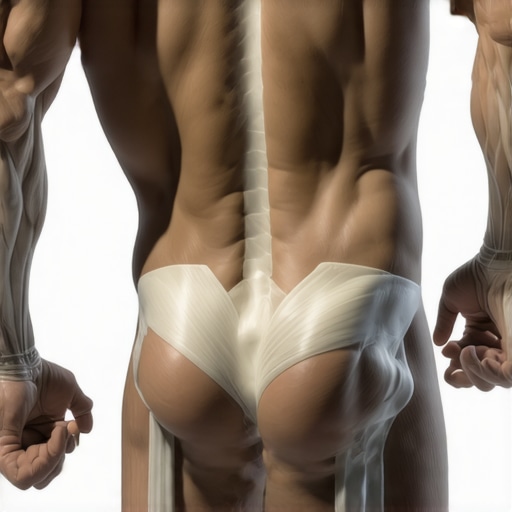
It was a typical Tuesday morning when I felt that sharp, almost electric jolt in my lower back while reaching for my coffee mug. At first, I brushed it off as just a tweak, but as the days went on, it became clear: my hips were tighter than they’d been in years, and those stubborn spasms were here to stay. That lightbulb moment made me realize something crucial—**hip tightness might be secretly fueling my lower back pain**.
The Hidden Connection Between Hip Mobility and Back Comfort
Many of us underestimate how much our hips influence our overall posture and spine health. When your hips become stiff or restricted, the natural movement in your pelvis gets compromised. This lack of freedom can shift strain onto your lower back, leading to those annoying spasms that throw off your entire day.
From personal experience, I learned that addressing hip mobility isn’t just about flexibility—it’s about reclaiming pain-free movement. Early on, I made the mistake of focusing solely on my back, ignoring the real culprit: my tight hips. That mistake delayed relief and made the problem worse. Trust me, I’ve since discovered through resources like [this guide](https://quackersneck.com/the-link-between-mobility-and-posture-a-chiropractors-guide) that improving your hip flexibility can significantly reduce lower back discomfort.
Are you experiencing frequent lower back spasms that seem to come out of nowhere? Maybe your hips feel more frozen than free when you try to move around. If so, you’re not alone, and there’s good news—you can change this pattern with targeted strategies.
Is the Buzz About Hip Mobility Actually Worth the Hype?
Honestly, I was skeptical at first. I’d tried stretching here and there, but nothing stuck. My early mistake? Thinking that deep stretches alone could unlock my hips. It wasn’t until I integrated gentle, consistent mobility exercises and learned proper mechanics from [this resource](https://quackersneck.com/improving-posture-through-mobility-practical-chiropractor-strategies) that I saw real progress. Sometimes, it’s the small, smart adjustments that make all the difference.
Now, I want to guide you through practical steps to tackle this issue head-on, starting with understanding why hip health is central to lower back stability. Ready to rediscover pain-free movement? Let’s dive into how you can tell if your hips need attention and how proper adjustments can transform your posture and reduce those pesky spasms.
Targeted Hip Mobilization Exercises
Begin with gentle hip circles—lie on your side and rotate your top leg in slow, controlled circles. I once included this in my morning routine, and after a week, I noticed my hips felt freer, which translated into fewer back spasms. Repeat for 10 circles in each direction. This movement lubricates the hip joint and encourages fluidity, much like oil in a rusty hinge.
Stretches That Unlock Tightness
Next, incorporate the figure-four stretch: lie on your back, cross one ankle over the opposite knee, and gently pull the uncrossed leg toward your chest. During my attempt, I struggled at first—my hips refused to open. Persisting gradually increased my flexibility, easing pressure off my lower back. Aim for 30 seconds per side. Think of this as untying the knots in your hip muscles, restoring their natural range of motion.
Optimize Your Daily Posture Habits
Micro-adjustments in your daily posture can significantly impact hip and back health. For example, avoid crossing your legs or sitting in one position for too long. I caught myself slouching during work and adjusted my chair height, which made a noticeable difference. Use ergonomic aids or reminders to maintain a neutral pelvis. Just like tuning a musical instrument, proper alignment ensures all components—hips, pelvis, spine—work in harmony.
Engage Regular Movement Breaks
Set timers to stand and move every 30-45 minutes. During one hectic day, I ignored this advice and felt my hips tighten, which led to discomfort. When I started brief walks or hip-opening stretches during breaks, my mobility improved. Think of this as resetting a stiff joint—small, frequent doses of movement keep everything flowing smoothly.
Incorporate Self-Adjustments and Chiropractic Strategies
Practicing gentle self-adjustments can enhance hip mobility. For instance, lie on your back and gently rock your hips side to side, focusing on symmetry. I found that combining this with professional chiropractic adjustments, like those described in [this guide](https://quackersneck.com/the-link-between-mobility-and-posture-a-chiropractors-guide), maximized my results. These techniques help realign the pelvis, easing strain on the lower back and restoring a pain-free range of motion.
Consistent Commitment Makes a Difference
Implementing these steps requires dedication. I kept a journal to track progress, and over a month, I noticed my hips felt looser and my back spasms diminished. The key is consistency—think of your hips like a garden that needs regular tending. Neglect leads to weeds—tightness and pain—while consistent care yields freedom of movement and comfort.
While many focus on basic stretches or adjustments, there’s a common misconception about what truly influences mobility and posture. Most believe that consistent stretching alone can solve joint and muscle restrictions, but in reality, overlooking the system-wide interplay often leads to incomplete results. For instance, some experts emphasize flexibility, but studies like those referenced in [this comprehensive guide](https://quackersneck.com/the-link-between-mobility-and-posture-a-chiropractors-guide) show that neuromuscular control and fascial health are equally crucial for sustainable improvement.
A frequent trap is assuming that chiropractic adjustments provide instant fixes without addressing underlying habits or structural tensions. Adjustments can realign the spine temporarily, but without integrating mobility exercises and posture awareness, misalignments tend to recur. This is why a holistic approach, incorporating targeted mobility hacks like those discussed [here](https://quackersneck.com/mobility-hacks-simple-adjustments-for-a-more-active-life), yields better long-term outcomes.
What many don’t consider is the nuanced relationship between joint mobility and nervous system feedback. For example, joint restrictions can alter proprioception, leading to compensatory movement patterns that perpetuate pain or stiffness. Advanced practitioners understand that improving mobility isn’t just about the joints but also involves retraining the brain’s perception of movement—something explored in recent neurophysiological research.
Beware of the myth that deep stretching is always beneficial; sometimes, overstretching can irritate tissue, causing more restriction. Instead, gentle mobility exercises that respect tissue tension and focus on controlled movement are far more effective. Incorporating strategies like fascia releasing or nerve gliding, backed by scientific evidence, can prevent common pitfalls. To ensure your efforts are well-directed, consulting with experts through resources like [this chiropractic-focused guide](https://quackersneck.com/the-ultimate-guide-to-improving-mobility-and-posture-in-2025) can help refine your approach.
In essence, true mastery of mobility and posture comes from understanding the complex, interconnected systems rather than adopting a one-size-fits-all solution. This layered approach not only enhances muscular flexibility but also optimizes neural communication, leading to lasting improvements. Have you ever fallen into this trap of oversimplification? Let me know in the comments.Maintaining optimal mobility and posture isn’t a one-and-done effort; it requires consistent tools and techniques tailored to your lifestyle. Personally, I rely heavily on certain equipment and methods that keep my body functioning smoothly, especially after years of dealing with back and hip issues.
Investing in Quality Mobility Aids
One of my go-to tools is a high-density foam roller. Not just any foam roller— I prefer a slightly firmer, textured one that helps me target fascia restrictions without causing discomfort. The key is my technique: I focus on slow, deliberate rolls along my hips, lower back, and thighs, mimicking my chiropractor’s protocol found in [this guide](https://quackersneck.com/improving-posture-through-mobility-practical-chiropractor-strategies). Regular sessions using this roller have drastically improved my fascia health, preventing restrictions from creeping back.
Smart Use of Resistance Bands
Resistance bands are versatile and portable. I use a medium-resistance loop for hip abductions and adduction exercises every morning. Combining this with controlled movements helps strengthen my stabilizer muscles, supporting better posture during the day. They’re especially useful for activating muscles pre-workout or during recovery days, aligning with emerging research on neuromuscular control.
Mobility Software and App Reminders
Today, digital tools are game-changers. I use an app that sends me reminders to perform quick mobility drills throughout the day—simple stretches, hip circles, neck rotations—keeping me from stiffening up after long periods at my desk. Mobile-friendly programs like those discussed in [this resource](https://quackersneck.com/mobility-hacks-simple-adjustments-for-a-more-active-life) help me stay accountable, even during busy schedules.
How to Sustain Your Improvements Long-Term
Prediction suggests that wearable tech with biofeedback, like posture sensors, will become increasingly sophisticated, providing real-time corrections tailored to individual needs. This trend aims to empower users to self-correct before pain or restriction develops, echoing the future-forward insights from [this comprehensive guide](https://quackersneck.com/the-ultimate-guide-to-improving-mobility-and-posture-in-2025). Incorporating these tools into daily routines ensures ongoing progress beyond initial mobility gains.
How do I keep my mobility habits consistent over time?
One effective method I recommend is creating a dedicated mobility corner in your workspace or home. Set up your foam roller, resistance bands, and a small mirror to check your posture. Regularly scheduled sessions, preferably morning or evening, reinforce habits and prevent regression. Remember, as noted in chiropractic literature, consistent mechanical stimuli—like daily micro-movements—drive long-term structural adaptations, preventing the reemergence of stiffness. Committing to these practices consistently will lock in your gains and promote lifelong posture health. Try integrating a quick hip mobility drill first thing in the morning—like a set of controlled hip circles—and observe how it influences your entire day. Small steps like these can make a substantial difference in your long-term mobility journey.
Lessons That Changed My Approach to Mobility and Pain Relief
One of the hardest lessons I had to learn was that quick fixes rarely lead to lasting change; true progress demands patience and consistency. I also discovered that addressing only symptoms, like back spasms, ignores the root causes—often poor hip mobility and habitual misalignments. Recognizing the importance of a holistic, integrated approach, combining gentle exercises with posture awareness, made all the difference. Lastly, I realized that continually educating myself—through trusted resources—empowers me to make better choices and stay motivated on this journey.
Tools I Trust for Better Posture and Mobility
My personal toolkit includes a high-quality foam roller for fascia release, which I’ve found invaluable for maintaining hip and lower back health. Resistance bands help me activate stabilizer muscles subtly yet effectively, especially during morning routines. I also use posture reminder apps that nudge me into micro-messions throughout the day—simple interventions that keep my alignment on point. For deeper insights, I turn to authoritative guides like this resource, which seamlessly combines expert strategies with practical exercises. These tools make the ongoing effort achievable and rewarding.
Embrace Your Mobility Journey and Transform Your Life
Remember, every small step toward enhancing your hip mobility and correcting your posture contributes to a more vibrant, pain-free life. The path might be gradual, but with dedication and the right guidance, you’ll unlock a future where you move freely and confidently. Don’t let hesitation hold you back—start today, and witness the incredible changes that are possible. Your body is your most valuable asset—nurture it with care, and it will reward you with lasting strength and resilience. What’s one small change you’re planning to implement first? Share below and let’s support each other on this journey.