
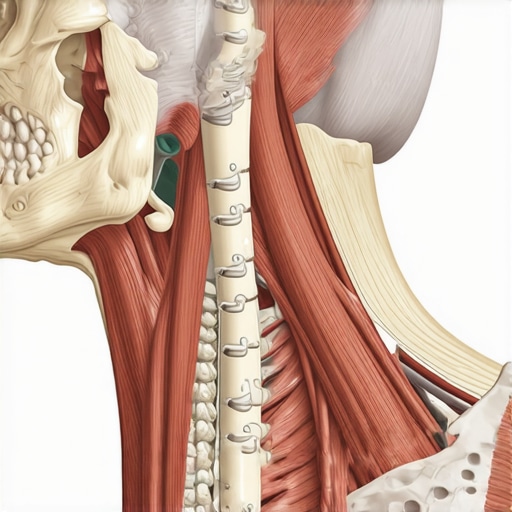
I’ll never forget the moment I realized my persistent neck ache was connected to my jaw clenching. One evening, after a long day of working at my desk, I felt that nagging tension escalate into a dull, throbbing pain in my neck. I had tried everything—stretching, heat packs, even visiting the chiropractor—but nothing seemed to stick. It was only when I started paying close attention to other sensations that I finally saw the connection: my jaw was tighter than a vice, especially when I was stressed or tired. That lightbulb moment changed everything.
Why Your Jaw Might Be Sabotaging Your Neck Comfort
Here’s the thing—jaw tension is often a hidden culprits behind those stubborn neck aches. When your jaw clenches or grinds, it can create a chain reaction of muscle tightness extending all the way down into your neck and shoulders. Think of it like a domino effect: one small muscle tightness can throw your entire posture off balance, leading to ongoing discomfort. Researchers have even found that managing jaw tension can significantly reduce neck pain episodes (see here for more on mobility and posture).
Is This Just Another Fad or Actually Worth Fixing?
Early in my journey, I made the mistake of dismissing jaw tension as a minor issue—something I could ignore. But neglecting it only allowed the problem to escalate. That was a real turning point. By addressing my jaw clenching through simple relaxation techniques and gentle adjustments, I began to notice a major difference in my neck comfort. The key is understanding that this isn’t a temporary fix but a foundational step toward lasting relief. Curious if your jaw is contributing to your neck pain? You might be surprised by how interconnected your muscles really are. For practical ways to improve your posture and mobility, I recommend checking out these expert strategies.
Identify Your Tension Patterns
Start by observing when your jaw clenches or tightens—for example, during stressful situations or late at night. Keep a journal for a few days, noting moments when you notice clenching, grinding, or jaw discomfort. This awareness is crucial—think of it as mapping out the enemy before a tactical move. Last week, I caught myself grinding my teeth during phone calls, which I would have otherwise ignored. Recognizing these patterns allowed me to target my efforts more effectively.
Practice Targeted Relaxation Exercises
Use Gentle Jaw Releases
One effective method is the “jaw rest position.” Gently open your mouth as wide as comfortable, then softly close it, aiming to relax the muscles. Repeat this 10 times, focusing on slow, controlled movements. As I experimented with this, I noticed my jaw felt noticeably less tense after a few minutes. Incorporate deep breathing during these exercises—inhale through your nose, exhale slowly through your mouth—to enhance muscle relaxation.
Implement Postural Adjustments
Poor posture often exacerbates jaw and neck tension. Sit upright with your ears aligned over your shoulders, avoiding forward head posture. Use visual cues—like a mirror—to check your alignment periodically. I set a reminder every hour, which prompted me to correct my posture during long work sessions. Over time, this habit reduced overall muscle strain.
Incorporate Mobility and Chiropractic Strategies
Mobility exercises improve the range of motion and reduce muscle tightness that contributes to jaw and neck pain. For example, gentle neck rolls and shoulder shrugs can loosen tight muscles. Additionally, chiropractic adjustments can realign the cervical spine, alleviating nerve compression and muscular imbalance. Visiting a professional who specializes in spine and posture health can make a significant difference. I personally found that scheduling regular sessions helped reinforce my efforts and target stubborn tension points.
Perform Daily Mobility Hacks
Simple routines like stretching your chest, opening your shoulders, and performing thoracic rotations can counteract postural habits that promote tension. Check out these mobility hacks for practical, easy-to-do adjustments. When I added these into my morning routine, I noticed an immediate decrease in tension build-up during stressful periods.
Integrate Self-Checks and Consistent Adjustments
Regularly assess your tension levels—are your shoulders relaxed? Is your jaw slack? Use tactile feedback: place a finger near your jaw and gently open and close to feel the muscles. Make tiny, consistent adjustments throughout the day. For instance, I set alarms to remind me to reset my posture and relax my jaw if I felt tension creeping in. Over weeks, these micro-habits built into a more relaxed, resilient posture.
Seek Expert Support When Needed
If tension persists despite these measures, consider consulting a chiropractor experienced in posture correction and mobility enhancement. They can provide tailored adjustments that target specific misalignments contributing to your discomfort. To find a trusted professional, explore this contact page. Remember, persistent pain is a sign to get specialized care—don’t wait until minor issues turn into chronic problems.
While many believe that quick fixes like stretching or popping joints can resolve chronic neck and back issues, the real challenge lies in understanding the subtleties behind mobility and chiropractic care. A common myth is that any increase in range of motion automatically translates to better health. However, experts emphasize that quality of movement matters more than quantity, and overzealous stretching without proper control can lead to muscle imbalance and injury (see how mobility ties into posture). Additionally, the misconception that chiropractic adjustments are solely about ‘cracking’ is misleading. Adjustments are precise techniques aimed at restoring optimal joint function, but their effectiveness hinges on the practitioner’s understanding of individual nuances. Advanced practitioners consider the interconnectedness of muscles, fascia, and neural pathways—something beginners often overlook. beware of the trap that assumes one adjustment will fix all problems; instead, a comprehensive approach, integrating mobility exercises, posture awareness, and targeted adjustments, yields lasting results. Have you ever fallen into this trap? Let me know in the comments. An important nuance is recognizing that posture isn’t static but dynamic—meaning subtle daily habits can continuously influence your musculoskeletal health. For instance, habitual tensing of the jaw or uneven weight distribution can silently sabotage your progress, proving that paying attention to these details is essential for advanced care. Research indicates that addressing these fine points can enhance the effectiveness of mobility routines and chiropractic interventions (discover how care complements mobility). Therefore, committing to detailed self-awareness and expert-guided strategies is vital—and understanding that small nuances often make the difference between temporary relief and permanent improvement. For deeper insights into optimizing your posture and mobility, explore these advanced strategies. Remember, mastering these subtleties is an ongoing process—so stay curious and attentive to the details that shape your movement health.
Maintaining optimal mobility and posture isn’t a one-time effort; it requires consistent, strategic use of the right tools and routines. Over the years, I’ve refined my approach to incorporate specific equipment and techniques that deliver lasting results. In this section, I’ll share the tools I personally swear by and explain why they have become indispensable in my ongoing posture journey.
Invest in a Quality Foam Roller with Targeted Density
My go-to is a dense, high-quality foam roller designed for deep tissue massage. I prefer textures that offer enough firmness to break up muscle knots in my neck, shoulders, and upper back without causing discomfort. Using it daily, particularly after mobility exercises, helps maintain muscle pliability and prevents tightness from creeping back. Recently, I incorporated a smaller, handheld massager for targeted trigger point therapy, which I find invaluable for quick relief during busy days.
Adopt a Posture-Focused Mirror for Real-Time Feedback
A single, full-length mirror positioned at my workspace allows me to check my posture regularly. This visual cue helps reinforce good habits, like keeping my ears aligned over my shoulders and avoiding forward head posture. I’ve also used a mobile app that prompts me to correct my alignment throughout the day, blending technology with mindfulness. Such real-time feedback creates a habit loop that sustains improvements long-term.
Utilize Adjustable Ergonomic Equipment
An adjustable standing desk paired with an ergonomic chair enables me to shift positions and avoid prolonged static postures. The key is customizing each setup for my body dimensions—an investment that pays off by reducing muscle strain. Additionally, I use a footrest to promote pelvic alignment and standing mats to reduce fatigue during prolonged standing sessions.
Employ Specific Mobility Devices for Progress Tracking
I’ve integrated devices like goniometers and posture analyzers to monitor my range of motion and alignment over weeks and months. Keeping detailed records helps me identify regressions early and adjust my routines accordingly. For instance, after consistent daily thoracic rotations, I noticed a marked improvement in shoulder mobility, which I can now maintain with minimal effort.
Future Trends in Posture Maintenance Tools
Looking ahead, I predict a surge in AI-powered posture monitors that not only provide feedback but also suggest personalized routines based on your movement patterns. Wearable technology that integrates with smartphone apps will likely become more sophisticated, offering real-time adjustments and long-term progress tracking—making maintenance more intuitive and effective.
How do I keep these strategies effective over time?
Consistency is crucial, but so is adjusting your tools and routines as your body evolves. Regularly updating equipment—like replacing foam rollers or calibrating posture apps—ensures you get accurate feedback and effective therapy. I recommend scheduling periodic consultations with a professional—such as a chiropractor—who can reassess your progress and recommend advanced tools tailored to your ongoing needs. To explore more about integrating technology with posture and mobility improvements, visit these expert strategies.
A practical tip I’ve found particularly useful is to incorporate a dedicated mobility session using tools like foam rollers or massage balls into my daily routine—sometimes just 10 minutes makes a significant difference. Give it a try today to start experiencing more sustained relief and better posture!
The Hardest Lesson I Learned About Mobility and Posture
One of my biggest revelations was realizing that quick fixes—like sporadic stretches or temporary adjustments—only provide fleeting relief. True progress demands consistent, mindful effort and understanding that mobility isn’t a one-and-done fix. This shift in mindset transformed my approach from reactive to proactive, emphasizing daily habits that sustain long-term health.
Why Ignoring Jaw Tension Can Sabotage Your Relief Efforts
Initially, I underestimated how much jaw clenching contributed to neck and shoulder issues. Recognizing this connection helped me target specific tension patterns I hadn’t considered before. Addressing jaw tightness through simple relaxation techniques complemented my mobility routines, leading to more durable results and a noticeable decrease in pain episodes.
Chiropractic Adjustments Don’t Work Solo: The Power of Combined Strategies
I learned that relying solely on adjustments without reinforcing mobility and posture habits limits their effectiveness. Integrating mobility exercises, ergonomic tweaks, and mindfulness practices creates a synergy that accelerates healing. This multifaceted approach made me appreciate the importance of holistic care rather than isolated interventions.
Tools That Made a Difference in My Posture Journey
Investing in a dense foam roller, real-time posture feedback devices, and ergonomic workspace setups proved invaluable. Each resource addressed different facets of my mobility challenges, providing immediate relief and supporting sustainable habits. I trust these tools because they empower me to maintain awareness and make proactive adjustments throughout my day.
Believing in Small Changes to Achieve Big Results
The most profound insight was understanding that tiny, consistent adjustments—like a gentle neck stretch or mindful jaw relaxation—compound over time. This realization motivated me to stay committed, knowing that incremental progress leads to lasting transformation. Embracing this philosophy turned my posture improvements into a lifelong habit rather than a temporary fix.
Your Next Step Toward Lasting Posture Health
The key is to integrate awareness with action—monitor tension patterns, incorporate targeted exercises, and seek professional support when needed. Remember, the journey to better mobility and posture is ongoing; every small effort compounds into a healthier, more resilient body. Curious about personalized strategies tailored to your habits? Explore these expert techniques to get started.
Find Out What’s Possible When You Commit to Change
Living with chronic neck or back discomfort doesn’t have to be your norm. With the right mindset, tools, and habits, you can reclaim your mobility and enjoy vibrant, pain-free days. Are you ready to take the first step toward a more flexible, pain-free life? Your journey begins now—share your story below and let’s get moving together!