
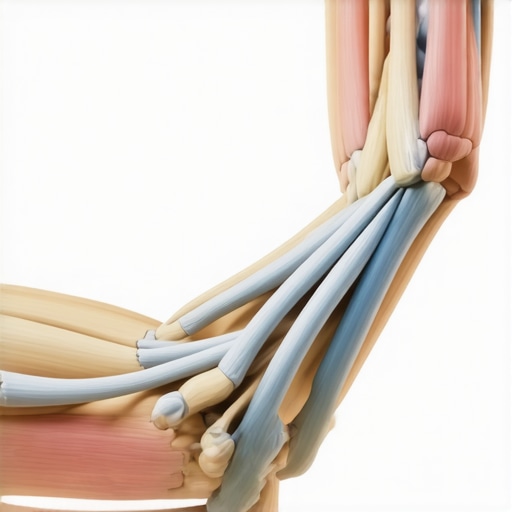
Have you ever experienced that sudden, annoying tingling in your fingers after a long day at your computer or during those dreaded nights of tossing and turning? I remember countless evenings where my hands would fall asleep, leaving me frustrated and wondering if I was destined to live with this prickly sensation forever. It was a lightbulb moment when I finally realized that something as simple as nerve mobility could make all the difference.
Why This Tingling Might Be More Than Just Nerves
For years, I brushed off those occasional numb feelings as normal, ignoring the underlying tension creeping into my daily routine. But then, I stumbled upon the concept of nerve gliding drills—simple movements designed to free up compressed nerves and restore mobility. And let me tell you, the results were eye-opening. According to recent research, nerve impingements and restricted mobility are linked to persistent tingling and numbness, especially in people who sit for hours on end (source). It made me realize how much my own habits might have been contributing to my discomfort—poor posture, repetitive movements, and neglecting proper mobility exercises.
Is Nerve Gliding Just Hype or the Real Deal?
Honestly, I was skeptical at first. I had tried stretching and massages, but nothing truly targeted the root cause. Early on, I made the mistake of thinking that all nerve exercises were complicated or unnecessary. Sharing this mistake is part of why I want to connect with you—because I know how frustrating it is to chase after a solution that feels out of reach. The truth is, these drills are surprisingly straightforward and effective when incorporated consistently into your routine.
So, if you’ve been battling tingling fingers or wrist discomfort, stay tuned. I’m about to guide you through practical, easy-to-follow techniques that helped me regain control over my mobility and get rid of that nerve-related numbness for good. Let’s dive into how you can start transforming your hand health today, without needing complex equipment or hours of therapy.
Get Moving with Targeted Nerve Gliding Drills
Start by locating a comfortable space where you can sit or stand upright. For my personal experience, I once practiced these drills in my living room, initially stumbling through odd movements but noticing improvement after a few sessions. To perform a nerve glide, extend your arm straight out to the side with your palm facing up. Gently bend your wrist so your fingertips point towards your forearm, then slowly move your arm toward your body while flexing your wrist. Repeat this motion 10 times, feeling a gentle stretch without pain. This movement helps free up compressed nerves, much like loosening a stuck door hinge. Consistency is key—do this daily to see real progress. For a comprehensive routine, check out targeted mobility exercises.
Fine-Tune Your Posture for Better Nerve Flow
Bad posture can act like a crushing weight on your nerves. Think of your spine as a bundle of traffic lanes—when misaligned, traffic jams occur, blocking nerve signals. I once caught myself slouching at my desk, which worsened my symptoms. To fix this, sit with your ears aligned over your shoulders, shoulders over hips, and feet flat on the floor. Use a small lumbar roll if necessary to support your lower back. Regularly adjusting your chair height and monitor position prevents slouching and restores proper nerve pathways. Implementing ergonomic tips from ergonomic principles makes a difference. Remember, consistent posture adjustments act like tuning a musical instrument—ensuring all parts are harmonized for optimal function.
Incorporate Mobility Breaks into Your Routine
Long stretches at your desk can exacerbate nerve constrictions. I learned this the hard way during a busy work week, ignoring breaks only to feel the numbness intensify. Set a timer to remind you to move every 30 minutes. Stand up, take a deep breath, and perform simple neck and shoulder circles. Engage in gentle chest and upper back stretches to alleviate tightness that can pinch nerves. Moving frequently prevents stiffness and encourages fluid nerve gliding—akin to oiling hinges to keep them swinging smoothly. For in-depth strategies, explore mobility hacks. Small, purposeful movements throughout the day can significantly diminish numbness and enhance overall movement quality.Many people believe that perfect posture is solely about standing straight or
Keeping It Working: Tools I Recommend Daily
Maintaining your posture and mobility over the long term requires more than just exercises; it demands the right tools and consistent routines. One of my favorite devices is the foam roller. I use it daily to release fascia tension along my back and legs, which helps prevent stiffness that can lead to nerve compression. The TheraBand resistance bands are invaluable for targeted mobility drills; I often incorporate them into my warm-up to activate specific muscle groups, ensuring proper alignment and function.

This visual demonstrates how I use my foam roller along my thoracic spine, promoting better postural support and reducing long-term wear and tear. Investing in a high-quality foam roller, like the foam roller from Quackers Neck, provides consistent relief that complements chiropractic adjustments and daily mobility routines.
Why Mobility Tools Are Game Changers
Tools like massage balls or specialized massage sticks enable deep tissue work without needing an appointment. I personally use a jacobs ladder to keep my shoulder blades mobile, preventing restrictions that cause nerve impingement. Over time, I’ve observed that combining these tools with regular chiropractic care significantly enhances long-term results, making daily self-maintenance more effective. And as research suggests, consistent use of mobility tools can adapt your tissue quality, maintaining optimal nerve gliding and posture alignment (source).
How do I keep posture improvements over time?
For lasting effects, establish a routine that integrates these tools into your daily schedule. For example, spend five minutes using your foam roller after waking up, incorporating mobility drills with resistance bands mid-day, and perform gentle self-adjustments at night. Periodic check-ins with professionals, like chiropractors familiar with mobility techniques, can help fine-tune your approach and address emerging issues early (learn more here). As I look ahead, innovations in wearable technology—like smart posture coaches—might soon offer real-time feedback, making self-maintenance even more effective. Until then, adopting a disciplined routine with the right tools remains your best bet. Ready to elevate your mobility game? Start with a high-quality foam roller today and note the difference in your posture and nerve health.
The Hardest Lesson About Posture and Nerve Mobility That Changed My Approach
- Focusing solely on stretching was my initial mistake; I underestimated how crucial nerve gliding and posture correction are for true relief. It took a lingering numbness to realize that integrating mobility drills with ergonomic habits was the game-changer.
- I learned that consistency beats intensity—performing simple nerve gliding and posture adjustments daily, even when symptoms improve, prevents setbacks and ensures long-term health.
- Understanding that posture isn’t just about aesthetics but about ensuring optimal nerve flow allowed me to prioritize daily habits over temporary fixes, leading to sustained improvements.
- Listening to my body’s signals and recognizing early signs of nerve compression helped me respond proactively, avoiding painful flare-ups and improving my quality of life.
- The journey taught me that combining expert tools like foam rollers with personalized routines fosters resilience and promotes effortless movement, making nerve health accessible and manageable.
My Ever-Evolving Arsenal for Hand and Spine Wellness
- High-Quality Foam Roller: Using it daily for fascia release along my thoracic spine and back reduces stiffness and supports posture, which is vital for nerve health.
- Resistance Bands from TheraBand: Incorporating targeted mobility drills energizes my muscles and maintains proper alignment, especially after long sedentary periods.
- Self-Adjusting Tools: A massage stick for deep tissue work around shoulders and neck ensures I stay proactive about potential nerve impingements.
- Educational Resources from Trusted Experts: Resources like mobility exercises articles empower me to refine my routine with confidence.
Your Next Step to a Nerve-Friendly Future
Taking charge of your nerve mobility and posture can dramatically improve your comfort and function. Remember, small consistent actions—like daily drills and ergonomic tweaks—compound into lasting change. Why not start today by exploring these tools and routines? Your body will thank you for it, and your hands will thank you for the renewed freedom of movement. Are you ready to prioritize your nerve health and feel the difference? Share your experiences or questions below—I’d love to hear from you and help guide your journey to better posture and mobility!
,