
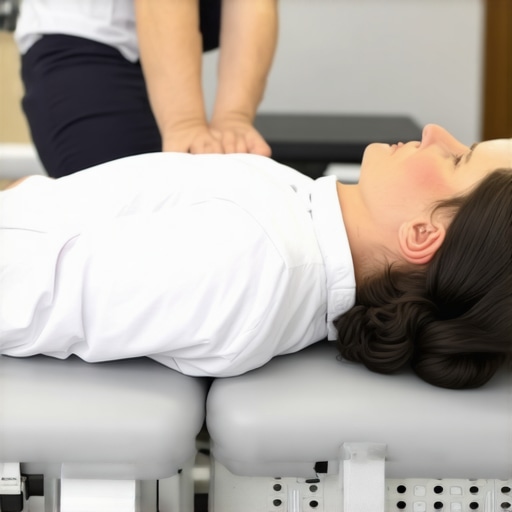
Ever had that moment where you step off the adjustment table and feel an unexpected sense of height, like you’ve grown an inch overnight? I remember the first time it happened to me. I stood there blinking, feeling eerily taller, and thought, “Did I just imagine that?” Turns out, it’s a common experience, and there’s a real scientific reason behind it.
Cracking the Mystery of the Taller Feeling
That instant increase in perceived height isn’t magic; it’s a sign that your spine’s alignment has shifted, releasing built-up tension and improving your posture. When your chiropractor adjusts your spine, they’re not just cracking bones—they’re freeing compressed nerves and restoring proper movement. And surprisingly, this can lead to a noticeable change in how you carry yourself—standing straighter, feeling more balanced, and yes, feeling taller.
But why does this feeling sometimes fade away quickly? And how can you make those benefits last longer? In today’s post, we’ll explore the true reason behind feeling taller after a chiropractic visit and how you can use this knowledge to truly enhance your mobility and posture over the long run. Trust me, understanding this could be a game-changer for your daily comfort and confidence.
Could This Be Just a Fluke? Addressing Your Skepticism
I used to dismiss these sensations as mere coincidences—until I realized I was making a common mistake. Early on, I thought that a quick adjustment was enough to sustain the transformation. That’s like watering a plant once and expecting it to grow forever. The truth is, your muscles and joints need consistent movement and mobility work to keep the benefits alive. For a deeper dive into how daily habits influence your posture, check out this guide on mobility and posture.
So, if you’ve ever wondered whether feeling taller after a visit is real or just a trick of the mind, you’ll find out today. We’re about to uncover the science, dispel the myths, and lay out practical steps to make those feelings last. Ready to stand taller—long after your appointment? Let’s get started.
Integrate Daily Mobility Routines
Start your day with targeted mobility exercises. For example, I personally set aside five minutes each morning to do gentle neck and shoulder rolls, which loosen tight muscles and prepare your spine for proper alignment. Consistent movement acts like a lubricant for your joints, reducing stiffness and supporting postural correction over time. Check out this guide for a variety of mobility boosts you can incorporate into your daily routine.
Emphasize Correct Posture During Activities
Whether you’re working at a desk or watching TV, maintain awareness of your posture. Imagine your spine as a stack of building blocks—each one needs to be aligned properly to stay sturdy. Use ergonomic adjustments like proper chair height and monitor placement, which can be assessed with simple at-home checks. This proactive approach prevents muscles from reverting to unhealthy habits and reinforces the gains from adjustments.
Incorporate Targeted Mobility Exercises
For a deeper boost, integrate specific mobility drills designed for your weak spots. For example, improving thoracic mobility can prevent forward head posture, a common culprit in neck pain. I personally struggled with tightness in my mid-back, which I addressed by practicing these targeted exercises. Consistency is key—performing such drills three times a week can solidify spinal flexibility and posture stability.
Practice Mindful Movement Throughout the Day
Be conscious of how you move — avoid slouching or craning your neck while on your phone. Like tuning an instrument, small adjustments in your daily habits can lead to long-term harmony in your spine. During a particular busy week, I set reminders to check my posture every 30 minutes, which significantly reduced tension buildup. Such habit reinforcement ensures that spinal correction is not a fleeting event but a lasting change.
Wear Proper Footwear and Support
Your shoes affect your pelvis and spine alignment more than you might realize. Heavy heels or unsupportive soles can tilt your pelvis, undoing chiropractic work. I learned this the hard way after wearing unsupportive sneakers during a weekend trip, which led to back discomfort. Switching to shoes with good arch support, like those recommended here shoes designed for posture, helped me maintain alignment longer.
Commit to Consistent Maintenance
Lastly, regular check-ins with your chiropractor or mobility coach reinforce long-term progress. Think of it like tuning a guitar—occasional adjustments keep it sounding perfect. Scheduling periodic visits or follow-up sessions, as detailed here, ensures your posture stays optimized, preventing regress and promoting ongoing wellbeing.
Why Popular Tricks Often Miss the Mark
Many believe that stretching before an activity or cracking their back is enough to maintain good posture. However, this oversimplification neglects the nuanced interplay between muscles, nerves, and joint stability. In my experience, relying solely on quick fixes can do more harm than good, especially if you’re not addressing the root causes. Consistent mobility work, like the techniques discussed here, is essential to long-term improvement. This approach is backed by research showing that targeted mobility exercises significantly enhance joint function and posture stability over time.
Beware of the Common Myth: Fast Adjustments Are Enough
A prevalent misconception is that an occasional chiropractic adjustment will permanently fix posture issues. The reality is that adjustments serve as reset buttons, but maintaining results requires daily habits and mobility routines. Skipping these can lead to quick regressions, as muscles tend to revert to their default patterns. Integrating targeted mobility exercises here can help ensure the benefits are sustained. Remember, a single adjustment isn’t a magic wand; consistency and proactive care are key.
Can Mobility Really Change the Game for Advanced Users?
Absolutely. For those already familiar with basic posture principles, the nuanced understanding of nerve pathways and fascia restrictions becomes crucial. Advanced practitioners recognize that fascial adhesions and subtle nerve impingements can undermine even well-executed adjustments. As noted in a study by Schleip et al., fascia flexibility is vital for optimal movement and posture here. Incorporating strategic mobility drills to target these deeper issues can unlock higher levels of postural control and spinal health. So, if you’re seeking real mastery, don’t overlook the importance of nuanced mobility work alongside adjustments.
Have you ever fallen into this trap? Let me know in the comments. Staying aware of these hidden pitfalls can dramatically enhance your journey to better posture and mobility. Remember, real progress comes from understanding the details most overlook.
,Maintaining your posture and mobility over the long term requires more than just good habits—having the right tools can make a significant difference. One of my favorite investments is a high-quality foam roller, specifically the RumbleRoller, which I personally use to break up fascia restrictions that can hinder spinal movement. Regular self-myofascial release with this tool has helped me reduce muscle tightness, especially around the thoracic spine, making my adjustments more effective and lasting. Additionally, resistance bands like the TheraBand Loop are invaluable for targeted mobility exercises, enabling me to strengthen weak muscle groups and improve joint stability consistently. For instance, I incorporate shoulder and hip activation routines using these bands to reinforce proper alignment throughout the day.
Digital tools also play a crucial role. I rely on posture-tracking apps such as Upright Go, which provides real-time feedback and reminders to keep me aligned during long work sessions. Using such technology helps me develop mindful movement habits that support my chiropractic adjustments and prevent regressions. Looking ahead, I predict that smart wearable devices equipped with biofeedback sensors will become even smarter, seamlessly integrating mobility and posture training into daily life, possibly through AI-driven coaching.
How do I maintain long-term mobility and posture? Consistency is key. I schedule weekly mobility sessions with my foam roller and resistance bands, integrating these routines into my daily schedule. I also set periodic check-ins with my chiropractor via virtual consultations to assess progress and adjust my personal care plan accordingly. This multi-faceted approach ensures that mobility improvements are sustainable and that posture remains optimized despite the demands of daily life.
To maximize your results, I highly recommend incorporating the targeted mobility exercises into your routine. Start with a simple daily routine of foam rolling and resistance band work, then progressively add mindful movement practices and digital feedback tools. Remember, the secret to long-term success is a proactive, consistent approach that combines manual work with smart technology. Give one of these tools a try today, and experience how a small investment in your mobility toolkit can lead to lasting posture benefits.
Over the years, I’ve learned that the true secret to maintaining posture improvements isn’t just immediate relief—it’s the habits we build afterward. One lightbulb moment for me was realizing that tools like foam rollers and resistance bands aren’t just accessories but essential allies in the long-term fight for spinal health. Incorporating regular self-myofascial release and targeted mobility exercises transformed how I sustain the benefits of chiropractic adjustments.
The Hardest Lesson I Learned About mobility,posture,chiropractic,adjustments
- Consistency Trumps Quick Fixes: Focusing on daily routines with my foam roller and mobility drills kept my progress alive long after the initial adjustments. Skipping these felt like taking two steps back, reminding me that sustained change demands persistent effort.
- Mindful Movement Is Key: Regularly checking my posture during daily activities prevented the regressions I used to experience. Small habits, like adjusting my phone height or setting reminders to sit upright, act as ongoing corrections that reinforce the gains from my chiropractic visits.
- Tools Are Worth Their Weight: High-quality support devices, such as the RumbleRoller and TheraBand Loops, provided the tactile feedback and targeted work necessary to free fascia restrictions and strengthen weak links, making my improvements stick.
My Essential Toolkit for Lasting Postural Health
- Mobility guides and routines: Trusted for their detailed advice on developing a sustainable movement practice that complements chiropractic work.
- Targeted mobility drills: Specific exercises I’ve found effective in addressing stubborn misalignments and fascia restrictions, especially in the thoracic region.
- Expert articles on chiropractic synergy: Deepening understanding of how adjustments and daily mobility reinforce each other for long-term benefits.
- Regular professional check-ins: Scheduling periodic follow-ups ensures my posture stays optimized, catching and correcting regressions early.
Keep Moving, Keep Improving
Life is a continuous journey toward better mobility and posture. While adjustments give us a reset, it’s the daily reflections, proactive habits, and the right tools that transform temporary wins into lasting change. Don’t let the gains fade—embrace this journey with curiosity and commitment. Remember, every small step toward mindful movement and self-care compounds over time, leading to a confident, upright you. So tell me, what’s your next move to keep your posture strong? Share your plan below—we’re in this together.