

Ever since I started taking my daily walks more seriously, I couldn’t understand why my lower back would ache intensely afterward. One day, I stood at the front door, stretch in hand, feeling that familiar dull throb. It hit me—despite spending hours stretching and trying to improve my posture, I was missing a crucial piece of the puzzle. That lightbulb moment changed everything.
The Real Reason Your Back Soreness Lingers Post-Walk
Many people blame long walks for their back pain, assuming it’s just part of aging or overexertion. But in reality, it’s often a combination of poor mobility and posture habits that sneak up over time. When I learned to identify and correct these hidden issues, walking became a joy again, not a source of pain. Today, I promise to share the truths I’ve discovered, so you won’t have to endure that confusing pain postpartum.
Is It Actually Worth Tackling Post-Walk Back Pain?
Early on, I thought ignoring the discomfort was easiest. After all, pain is just part of life, right? Wrong. I made the mistake of dismissing my symptoms as temporary and didn’t address the root cause. But research shows that ignoring persistent back pain can lead to chronic issues and decreased mobility later on (source). When I finally sought expert advice, I realized it’s entirely possible to enjoy your walks without paying with your back.
Start with Dynamic Mobility Exercises
Before hitting the trail, warm up your joints with simple mobility drills. One effective move is the thoracic rotation, where you sit on the floor, cross your arms over your chest, and gently twist side to side. This mobilizes your mid-back, preventing stiffness that tends to cause compensations during walking. I remember doing this after a long desk day, and feeling the tension release was instant—and then I integrated it into my morning routine for sustained benefits.
Incorporate targeted stretching for tight areas
Identify your tight spots—common culprits include hamstrings, calves, or chest muscles—and stretch them daily. For example, a simple calf stretch against the wall elongates the muscles that can pull your pelvis out of alignment, leading to back discomfort. Remember, tight calves can restrict ankle mobility, forcing your knees and hips to work overtime, which transfers stress to your lower back. I added this stretch into my evening routine, noticing my stride became more natural and pain lessened over time.
Use Posture Awareness During Daily Activities
Consciously monitor how you hold your body during routine tasks. When sitting at your desk, ensure your feet are flat, knees bent at 90 degrees, and your lower back supported—think of sitting on a little trampoline that cushions your lumbar spine. This micro-adjustment can significantly reduce strain. I caught myself slouching while watching TV and practiced sitting upright, which over a week improved my back endurance and reduced soreness.
Optimize your environment for better posture
Adjust your workspace to promote proper alignment. The monitor should be at eye level, and the keyboard and mouse within easy reach. Sitting well can be as simple as correcting your chair height or adding a lumbar roll for support. I set my monitor on a stack of books, which instantly improved my neck angle and eased upper back tension.
Learn Simple Chiropractic Hacks for Immediate Relief
Engage in self-adjustments that mimic chiropractic techniques. For example, gently, with controlled movements, turn your head side to side, feeling each stretch and release. Incorporating spinal rotations on the floor can promote disc health and reduce stiffness. I experienced a quick relief after doing a gentle neck retraction exercise—pulling the chin slightly inward. It’s a quick fix to reset your posture during the day.
Be cautious and know when to seek professional help
If pain persists despite these techniques, consult a chiropractor for a targeted adjustment—this can unlock areas that self-manipulation cannot reach. Regular chiropractic visits, combined with mobility work, can drastically reduce your back pain. I personally found that a few sessions with a pro righted my posture and taught me effective exercises to maintain alignment at home.
Embrace Consistency for Long-Term Benefits
The key to sustainable relief is integrating these practices into daily life. Set reminders, keep a dedicated stretching corner, or pair movements with existing habits, like brushing your teeth. Over time, these micro-changes help rebuild your body’s natural alignment and mobility, preventing pain from returning. Remember, patience and persistence are your best allies on this journey to a healthier back.
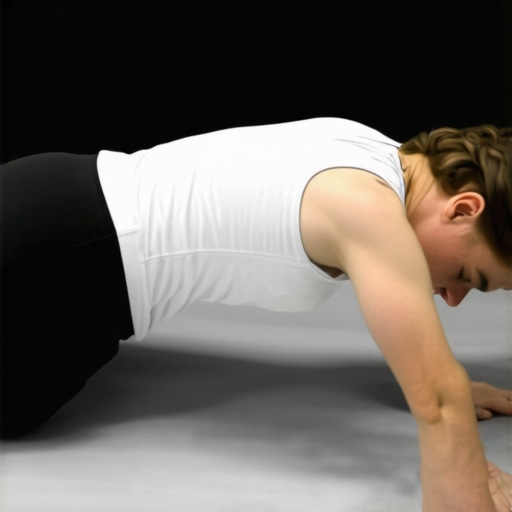 ,While many believe that simple adjustments or chiropractic visits can transform their posture overnight, the reality is far more nuanced. A common misconception is that spinal alignments alone can fix longstanding postural issues, but in my experience, focusing solely on adjustments neglects the complex interplay of muscles, nerves, and habitual patterns. Sometimes, practitioners and patients alike overlook the importance of neuromuscular control and how ingrained movement habits can undermine even the most precise realignments. For instance, a recent study highlights how proprioceptive training can significantly enhance postural stability beyond just joint adjustments(source).Maintaining optimal posture and mobility requires more than just occasional stretches; it involves leveraging the right tools and techniques to ensure long-term results. One of my go-to pieces of equipment is a high-quality foam roller. I prefer the TriggerPoint GRID foam roller because its textured surface effectively targets deep muscle tissues, especially in the thoracic region, helping to release chronic tension and improve spinal flexibility. Incorporating regular foam rolling sessions, particularly after workouts or long periods of sitting, has significantly enhanced my mobility and reduced stiffness. For digital tracking, I rely on the Upright GO posture trainer, a subtle wearable device that vibrates when I slouch, providing real-time feedback and encouraging better habits throughout the day. This device has made me more conscious of my posture during work and leisure, reinforcing the importance of consistent self-awareness. When I feel persistent tightness, I use my Theragun Elite percussive massage device. Its targeted deep-tissue percussion relaxes tight muscles and aids recovery, making it invaluable during busy schedules. Looking ahead, I predict that personalized biofeedback tools and AI-driven movement analysis will become integral to posture maintenance, offering tailored exercises based on individual patterns. For anyone serious about sustaining their mobility, integrating these tools into daily routines can make a marked difference.
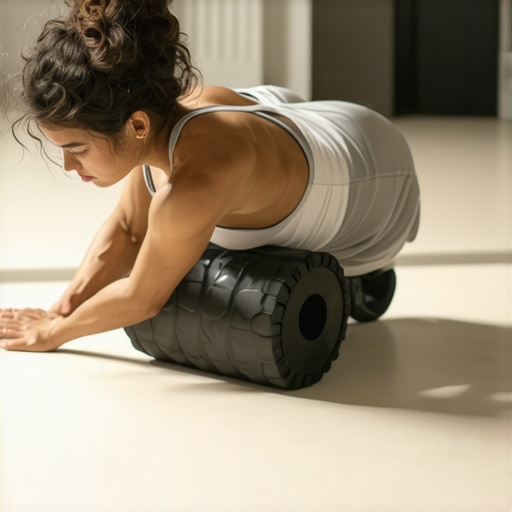
The effectiveness of these tools is backed by research; for instance, a 2023 study published in the Journal of Bodywork and Movement Therapies demonstrates that manual therapy combined with movement education results in superior postural improvements (source). To get started, I recommend trying the foam roller technique I described—apply gentle pressure along your thoracic spine for 1-2 minutes daily. Do this consistently, and you’ll notice enhanced spinal mobility and reduced discomfort over time. Remember, the smartest investment you can make is in tools that facilitate ongoing self-care, empowering you to take control of your posture and mobility long-term.
Uncovering My Greatest Posture Mistake
One of the hardest lessons I learned was that relying solely on chiropractic adjustments without addressing underlying habits can lead to temporary relief but not lasting change. I used to think that occasional visits would fix my posture issues, but I realized consistency in daily movements and self-care tools mattered far more.
The Power of Mindful Movement
Engaging in intentional, mindful movements like regular thoracic rotations and targeted stretches transformed my approach to mobility. These small daily actions helped me regain control over my posture, making a noticeable difference in daily comfort and confidence.
Listening to My Body’s Feedback
Instead of pushing through discomfort, I learned to tune into subtle signs of tension or stiffness. Recognizing early cues prevented minor issues from escalating, emphasizing that patience and awareness are crucial in maintaining mobility.
Curated Tools That Made a Difference
Investing in high-quality foam rollers, wearable posture trainers, and massage devices provided me with the ability to perform effective self-care regularly. These tools empowered me to stay proactive about my spine health outside of professional sessions.
Embracing the Long Game
Consistency over perfection is key. Incorporating small habits—like setting reminders or creating dedicated space for stretching—accumulated into significant improvements over time, proving that sustainable change requires patience and persistence.
Don’t Miss Out on Your Posture Potential
Understanding these less obvious lessons has been a game-changer in my journey. If you’re committed to long-term mobility and pain-free walking, embracing daily mindful habits and quality tools can set you apart from generic routines.