
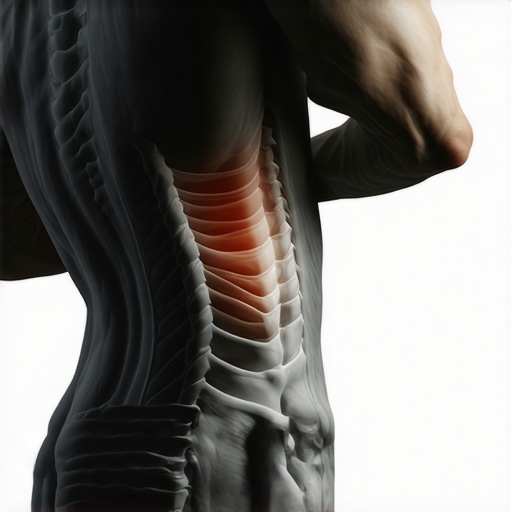
Have you ever stood in line or waited patiently, only to be suddenly hit with that dull, persistent ache in your lower back? I used to dismiss it as just getting older or perhaps stiffness from sleeping wrong. But one day, that discomfort turned into a lightbulb moment for me. I realized I was doing something all wrong—something I wasn’t even consciously aware of.
Why Does My Lower Back Hurt When I Stand Still?
It turns out, the pain isn’t just about aging or the amount of hours you spend sitting or standing. It’s often linked to hidden mobility issues and posture habits that quietly develop over time. When I started paying closer attention to how I was standing, I noticed that I was unknowingly tensing my lower back muscles or shifting my weight to one side. This habit created a cycle of strain and discomfort.
What I discovered changed everything. Simple, targeted movements and mindful adjustments made a world of difference. If you’re tired of that nagging pain, I’ll walk you through the core reasons behind it and how you can start reprogramming your body—yes, even if you think your posture is already “fine.”
Is Posture Adjustment Overhyped? A Common Skeptic’s Take
Early on, I also believed that just standing straighter or buying ergonomic chairs would solve my problems. Turns out, I was making a crucial mistake. I was focusing on superficial fixes without addressing the root cause—mobility restrictions and muscle imbalances. Whenever I skipped working on my joint mobility, the pain persisted. Learning the truth about how movement and posture are intertwined was eye-opening, and it’s a lesson I want to share with you. For more insights, check out this guide on mobility and posture.
Understanding this connection is the first step toward lasting relief. In the upcoming sections, I’ll give you practical tips and proven strategies to combat that stubborn lower back pain—so you can stand tall and pain-free again.
Start with Gentle Mobilization Exercises
My first breakthrough came when I committed to daily gentle mobilization routines. I remember fumbling through my first session; I was stiff and awkward, resembling a rusty hinge. But I persisted, focusing on slow, controlled movements that targeted my hips, pelvis, and lower back. These exercises help loosen restricted joints and release tension, making subsequent posture corrections more effective. To discover simple yet impactful mobility hacks, check out these mobility hacks.
Practice Hip Circles and Pelvic Tilts
Start lying on your back with knees bent. Slowly rotate your pelvis in circles, like drawing a wide arc with your hips. This movement warms up your hip joints and relieves pelvic tension. During my initial attempts, I kept tilting too aggressively, causing discomfort. But over time, gentle, deliberate motion improved my flexibility and reduced lower back pain. Incorporate pelvic tilts to engage your core and promote spine alignment. Remember, consistency beats intensity here.
Integrate Posture-Enhancing Actions Throughout Your Day
Posture correction isn’t a one-off fix; it’s about ingraining habits. One effective method I adopted was mindful standing. I noticed I would unconsciously shift weight to one side or tensing my lower back muscles. To break this cycle, I set periodic reminders to check my stance. Imagine your body as a marionette—each movement should be balanced and relaxed. Using visual cues, like a mirror or a reflection, helps reinforce good habits. For deeper insights, explore how chiropractic care enhances posture.
Stand with Feet Shoulder-Width Apart
This simple stance distributes your weight evenly. I practiced this stance while brushing my teeth or waiting for coffee to brew, turning mundane moments into posture-improving opportunities. Initially, I found myself leaning forward or backward, which intensified discomfort. With conscious effort and regular repetition, standing this way became natural, supporting spinal alignment. Think of your feet as the foundation of a building; a stable, wide base prevents structural issues.
Optimize Your Seating and Desk Setup
Your work environment plays a crucial role in maintaining good posture. I replaced my old chair with an ergonomic one that supported my lumbar curve. But the real game-changer was adjusting my monitor height to align with my eye level, reducing neck strain. While sitting, I ensured my hips were level, and I kept my feet flat on the ground. During my experiments, I noticed that even minor adjustments, like using a footrest or adding lumbar support, made a noticeable difference. For ergonomic setup tips, visit this guide on proper sitting posture.
Engage in Frequent Breaks and Movements
I set a timer to stand and stretch every 30 minutes. Sitting for prolonged periods tightens hip flexors and weakens glutes, contributing to lower back issues. When I stood, I did quick stretches or walked around, much like a reset button for my muscles. These micro-movements keep circulation flowing and prevent stiffness from locking in poor posture. Daily movement routines ensure your joints stay mobile and muscles balanced. Learn more about daily mobility resets at mobility boosting tips.
Incorporate Targeted Mobility Drills
Specific drills can correct stubborn restrictions. One drill involved kneeling on all fours and reaching one arm under the other, mimicking a detoxifying spine twist. Initially, my shoulders and hips felt tight, causing awkwardness. Over time, this movement increased my rotation capacity and reduced tension in my lower back. Regular practice loosens connective tissues and enhances overall mobility, paving the way for better posture. For a comprehensive routine, refer to targeted mobility exercises.
Progressively Increase Movement Range
Start small and gradually challenge your limits. I began with gentle reaches and built up to deeper stretches. This approach prevented injury and built confidence. Think of your muscles as elastic—careful stretching prevents tears and promotes flexibility. Track your progress by noting how much you can rotate or bend without discomfort. Consistent incremental gains lead to lasting improvements.
Book a Professional Adjustment
While self-directed exercises accelerate progress, professional chiropractic adjustments fine-tune alignment that exercises alone can’t achieve. I scheduled my first session after several weeks of mobilization and noticed immediate relief in tight spots. The chiropractor’s gentle manipulations helped unlock joint restrictions, restoring natural movement patterns. Regular visits solidify gains and keep your mobility on track. For expert care, connect with qualified professionals.
Combine Adjustments with Movement
Pairing chiropractic care with daily movement creates a synergistic effect. Think of adjustments as aligning your spine like tuning a musical instrument, while exercises build and maintain that tune. During my sessions, I learned tailored stretches that reinforced realignment. Implementing these routines consistently doubled their benefits. This integrated approach ensures that improvements are not temporary but become embedded habits.
Many individuals believe that chiropractic adjustments alone are a quick fix for all postural issues, but this oversimplifies the complex interplay between mobility, muscular balance, and neural control. A prevalent misconception is that once the spine is ‘aligned,’ pain and dysfunction will automatically resolve. However, research shows that without addressing underlying mobility restrictions and habitual movement patterns, gains from adjustments can be short-lived. For example, a study published in the Journal of Bodywork and Movement Therapies emphasizes the importance of integrating mobility exercises with chiropractic care to sustain improvements (source). Therefore, viewing adjustments as a standalone solution misses the nuanced reality: lasting change requires a comprehensive approach that includes movement mastery and lifestyle adjustments.
Another common myth is that mobility drills are only for athletes or those with severe restrictions. In reality, subtle mobility imbalances are almost universal and contribute silently to poor posture and chronic discomfort. Overlooking these nuances can lead to advanced mistakes, such as emphasizing stretching without addressing joint restrictions or muscle activation deficits. For instance, weak glutes and tight hip flexors frequently go unnoticed, yet they are major contributors to anterior pelvic tilt, a common culprit behind lower back pain. Regularly incorporating targeted mobility routines, like those discussed in this routine, can prevent these issues from escalating.
Why is it so easy to fall for surface-level fixes?
It’s tempting to believe that just buying ergonomic chairs or doing superficial stretches resolves deeper postural problems. But these superficial fixes often ignore the root causes—such as joint restrictions, neural tension, and habitual movement patterns. This trap can lead to frustration and lingering pain. A more effective strategy involves assessing the quality of movement and addressing specific restrictions, which is better explained in these simple hacks. Remember, lasting change happens when you look beneath the surface—something I’ve learned through years of experience working with clients who initially sought quick fixes but ultimately needed comprehensive mobility and posture retraining.
Many practitioners also overlook the importance of neuroplasticity—the brain’s ability to rewire itself in response to new movement patterns. This nuance means that sustained improvement depends not just on physical adjustments but also on retraining your nervous system to accept and maintain healthy postures. As Dr. Todd Hargrove explains, “Neuroplasticity is the key to long-term postural change” (source). Integrating neuromuscular training enhances the durability of your gains and helps prevent relapse into old habits.
So, the next time you consider a chiropractic or mobility intervention, ask yourself: Am I addressing the root issues or just the symptoms? Doing some self-assessment or consulting with a professional who understands these nuances can save you time, money, and discomfort. Remember, lasting transformation is a delicate balance of adjustments, movement, and mindset. Have you ever fallen into this trap? Let me know in the comments.
Maintaining good posture and mobility over the long term requires not just consistent effort but also the right tools to support your journey. Personally, I rely on a combination of specialized equipment and proven methods to keep my body functioning optimally. One of my go-to tools is a foam roller, specifically a dense, firm one, which I use daily to release fascial restrictions and enhance circulation in my back and hips. This simple device allows me to perform self-myofascial release, targeting knots and tight spots that can otherwise become persistent pain points.
Another essential item is a set of resistance bands. I use these for assisted stretches and strengthening exercises, especially for muscles that tend to weaken with prolonged poor postures. For instance, I incorporate them into routines that activate my glutes and strengthen my core, both critical for supporting proper spinal alignment. The versatility and portability of resistance bands make them invaluable, especially for maintaining mobility on busy days or during travel.
When it comes to software, I supplement physical tools with mobility-tracking apps. These apps, like a tailored mobility calendar, remind me to perform specific drills and track my progress. Some platforms even include guided routines that focus on spinal twist patterns, hip mobility, and neck stretches. As technology advances, I predict a future where AI-driven virtual coaches customize daily mobility plans based on real-time posture analysis, further personalizing maintenance routines.
For manual adjustments, I recommend scheduling periodic sessions with a qualified chiropractor, who can perform precise mobilizations that complement your self-care efforts. Combining professional care with your DIY routines creates a comprehensive approach, ensuring long-term success. Regular check-ins also help identify emerging restrictions before they develop into chronic issues, enhancing durability.
**How do I maintain mobility and posture over time?** A crucial aspect is staying consistent and integrating these tools seamlessly into daily life. For example, I set alarms to remind myself to perform a quick hip opener or neck stretch at work. Additionally, I pay attention to my body signals—tightness or discomfort often indicate that my routine needs adjustment. This proactive approach aligns with recent findings that suggest consistent engagement with mobility routines significantly prolongs their benefits, like those discussed in mobility hacks.
Try incorporating a daily foam rolling session focused on your problem areas. Not only does this simple step prevent stiffness, but it also primes your nervous system for better movement patterns. Remember, maintaining your mobility isn’t a one-time effort but an ongoing commitment. As technology and research evolve, tools will become even more personalized, making long-term maintenance more accessible and effective. So, whether you’re using manual tools like resistance bands or digital aids, the key is persistent, mindful engagement—your body will thank you for it.
Lessons I Wish I Had Known Sooner About Posture Transformation
- One of the toughest lessons I learned was that quick fixes, like buying the newest ergonomic chair, rarely address the deep-rooted mobility restrictions causing lower back pain. True progress comes from understanding and retraining your movement patterns, not just surface adjustments. This routine changed my approach entirely.
- I used to believe that standing tall was enough, but I discovered that subtle habits—like uneven weight distribution or habitual muscle tension—undermined my efforts. Small mindfulness practices, such as periodic stance checks, made a lasting difference.
- Chiropractic adjustments are powerful, but I realized the most sustainable results happen when combined with daily targeted mobility exercises. Think of adjustments as resetting your alignment; exercises as maintaining that harmony long-term.
- Many overlook the importance of neural reprogramming. My breakthrough was understanding that neuroplasticity plays a crucial role in adopting lasting postural habits, and training your nervous system is just as important as strengthening muscles. Read more at this resource.
My Backpack of Must-Have Tools for Lasting Posture Stability
- Foam roller: A staple for my daily fascial release, it relieves knots and primes my muscles for better movement.
- Resistance bands: These versatile tools help activate weak muscles like glutes and strengthen core stabilizers essential for posture.
- Posture reminder apps: Digital nudges throughout the day keep me mindful of my stance and prevent habits from forming.
- Professional support: Regular visits to a chiropractor ensure my adjustments are precise and reinforce my self-care routines. Combining both self-mobilization and expert care creates a resilient framework.
Your Next Step Toward a Pain-Free Future
Embracing the journey of improving adjustments, mobility, posture, and chiropractic isn’t just about alleviating discomfort—it’s about reclaiming your body’s potential. Every positive change, no matter how small, compounds to a healthier, more vibrant life. Remember, the way you move and care for your spine today shapes your tomorrow. Are you ready to take that first step toward lasting change? Share your story or ask questions below—your journey starts now.