
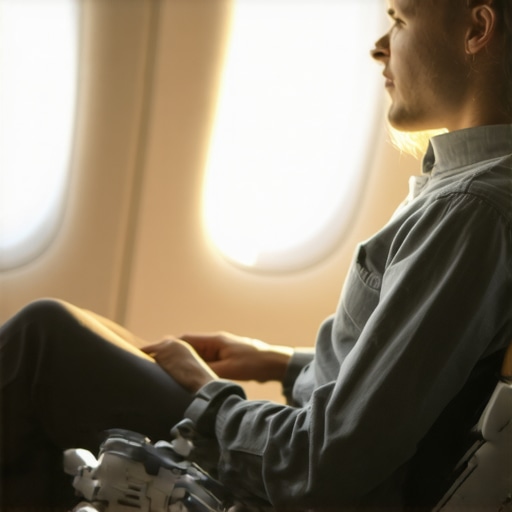
It was the middle of a long flight when I finally hit my breaking point—my back felt like it had been run over by a truck, and I wondered, *Why is sitting in a cramped airplane seat such a pain?* If you’ve ever found yourself wincing during or after a flight, you’re not alone. I used to think it was just bad luck or poor posture until I discovered a simple, powerful secret that transformed these agonizing trips into surprisingly comfortable journeys. Today, I promise to share with you the practical strategies that I’ve personally tested and refined, techniques that will help you sit in that tiny airplane seat without enduring severe back pain.
The Real Reason Airplane Chairs Torment Your Back
Is your pain just inevitable when flying? Or is there hope?
Many of us make a common mistake before even boarding—assuming that a quick stretch or adjusting your seat is enough. I used to believe that too, neglecting to consider how my own habits might be setting me up for discomfort. Early in my journey, I made the rookie mistake of ignoring the importance of proper mobility and spinal support, thinking that any discomfort was just part of travel. But that’s not the case. By neglecting targeted movements and alignment, I was inadvertently exacerbating the problem.
Research indicates that poor posture and lack of movement during long periods of sitting can lead to chronic back issues. In fact, a study published by the National Institutes of Health highlights how sustained static positioning increases the risk of back pain and nerve compression. That’s why understanding the interplay between posture, mobility, and spinal health is essential for anyone who spends hours on a plane.
Are you tired of arriving at your destination stiff, sore, or worse—unable to enjoy your trip? Well, you’re in the right place. Together, we’ll explore the secrets and techniques that can make your next flight not just bearable but actually comfortable.
Ready to get started? Let’s dive into the essential strategies to sit smarter and avoid that dreaded back pain.
Adjust Your Seat and Position Correctly
Start by ensuring your seat is optimized for your body. Use a small pillow or lumbar support to fill the gap behind your lower back, maintaining natural curves. As I learned during a recent flight, placing a folded sweater or cushion behind my lower back instantly improved spinal support, reducing strain. This simple tweak prevents your lumbar spine from flattening or arching excessively, which can lead to pain.
Engage in Micro-Movements Regularly
Rather than remaining static, incorporate gentle, targeted movements to promote circulation and mobility. For example, every 30 minutes, perform a seated cat-cow stretch: arch your back slightly while inhaling, then round your shoulders forward as you exhale. I found this particularly helpful during a 10-hour flight when I felt stiffness setting in. These movements help maintain spinal flexibility and prevent nerve compression.
Use Proper Posture Cues
Think of your spine as a chain of stable links. Keep your ears aligned over your shoulders, shoulders over hips, and hips over ankles. When I caught myself slouching, I corrected by slightly tucking my chin and gently engaging my core muscles, which supported my back and kept discomfort at bay. Consistently maintaining this posture reduces undue pressure on discs and muscles.
Implement Breathing and Relaxation Techniques
Deep, diaphragmatic breathing can alleviate tension and improve spinal alignment. Place one hand on your abdomen, inhale slowly through your nose, allowing your belly to rise, then exhale fully. This practice relaxes your chest and neck muscles, easing upper back and shoulder tension. I used this method during a stressful layover, noticing that my back ache diminished significantly with each breath.
Plan and Perform Targeted Mobility Exercises
Before your flight, incorporate mobility routines that focus on the hips, thoracic spine, and pelvis. Exercises like gentle hip circles, thoracic rotations, and pelvic tilts prepare your body for prolonged sitting. For instance, I did a quick set of pelvic tilts at home, which made it easier to sit upright during my flight. These routines help keep your spine mobile, reducing stiffness and pain.
Seek Chiropractic Adjustments for Long-Term Benefits
Consistent chiropractic care aligns your spine, improves mobility, and reduces chronic tension. I visited my chiropractor a week before my trip, and the adjustments enhanced my posture awareness and spinal function. If you’re planning extended travel, consider scheduling an appointment—see how chiropractic adjustments can boost your comfort.
Use Your Environment Wisely
Position items like your tray table or footrest to support your legs, promoting better circulation. Elevating your feet slightly can reduce pressure on your lower back. During one flight, I propped my feet on a bag, which alleviated pelvic tilt and back strain, making the trip markedly more comfortable.
Stay Hydrated and Avoid Dehydrating Substances
Dehydration can lead to muscle stiffness. Drink plenty of water and limit alcohol or caffeine. Staying hydrated keeps your tissues supple, reducing the risk of discomfort post-flight.
Implementing these actionable steps transforms the in-flight experience from painful to manageable. Think of your body as a vehicle on a long journey—proper support, movement, and care ensure you arrive feeling good. Each tactic works synergistically to maintain spinal health and prevent discomfort during extended periods of sitting.
While many believe that basic stretches and simple adjustments are enough to maintain good posture and spinal health, the reality is far more complex. A common misconception is that posture is purely about static positioning—like sitting up straight—and that mobility exercises alone will solve all issues. However, this oversimplification overlooks the crucial dynamic interplay between mobility, muscular stability, and neurological factors. For example, overemphasizing static corrections without addressing underlying nerve impingements can lead to temporary relief but long-term problems. According to Dr. Stewart McGill, a leading researcher in spinal biomechanics, the body’s ability to adapt involves intricate neuromuscular controls that simple stretches or adjustments often miss. Another widespread myth is that chiropractic adjustments alone can permanently correct postural imbalances. While adjustments can provide immediate relief, they are most effective when combined with targeted mobility routines and muscle strengthening, as outlined in studies found at this resource. Beware of the trap where people think that one adjustment will hold forever—your nervous system and muscles constantly adapt and need ongoing, mindful movement.
For advanced practitioners or those experiencing persistent issues, asking, “Why do my symptoms keep returning even after adjustments?” leads us to the importance of neuroplasticity and proprioception. Addressing nerve pathways and enhancing bodily awareness through specific mobility exercises can create lasting change, rather than temporary fixes. Incorporating these nuanced strategies—beyond a one-size-fits-all approach—ensures better outcomes, preventing common pitfalls that trap many in cycle of pain and temporary relief. Remember, understanding and applying the right combination of factors is the secret to sustainable spinal health. Have you ever fallen into this trap? Let me know in the comments.Maintaining optimal posture and spinal health over time requires more than just quick fixes; it demands reliable tools and routines that support your journey. One of my favorite essentials is the **foam roller**, specifically for targeting upper back knots and releasing tension. I personally utilize a high-density foam roller with a textured surface, which enables my thoracic spine to relax deeply after long days of sitting. Regular use helps prevent stiffness and keeps my mobility fluid, aligning with insights from this detailed guide on effective foam rolling techniques.
Another game-changer is the use of **resistance bands** for active mobility exercises. They allow me to perform controlled stretches and strengthening movements that bolster my spinal support muscles. For example, shoulder and hip mobility routines with resistance bands have been instrumental in improving overall posture, especially for those of us who sit for extended periods. I recommend incorporating targeted band exercises into your daily routine to reinforce proper alignment.
For tracking and motivation, I rely on **posture correction apps** that use your phone’s camera to provide real-time feedback. These apps (like Upright GO or similar) give me visual cues to maintain good habits throughout the day. As technology advances, I believe these tools will become increasingly intelligent, offering personalized insights directly from your mobile device.
When it comes to long-term maintenance, investing in a **chiropractic care schedule** can be pivotal. I visit my chiropractor every few months for adjustments that align my spine and improve mobility. Combining manual treatments with at-home routines creates a synergistic effect, as highlighted in this article about chiropractic benefits. Regular care ensures that misalignments stay in check and my nervous system functions optimally.
Looking ahead, I predict that wearable technology and biofeedback devices will further revolutionize posture maintenance by providing continuous, real-time data tailored to your body’s needs. These innovations could make sustaining good posture as effortless as wearing a smartwatch.
So, how do I keep this work going? Simple — I integrate a **daily mobility routine** with my foam roller, resistance bands, and app-driven feedback. Start small: try dedicating five minutes each day to targeted stretches and self-care tools. For example, incorporate thoracic rotations using your resistance band or perform deep tissue release with a foam roller. Over time, these habits become second nature and are key to long-term spinal health.
If you’re serious about lasting change, I highly recommend trying a **targeted mobility routine with resistance bands**. It’s an accessible, highly effective method that I personally rely on to maintain the gains from adjustments and prevent future issues. Curious to learn more? Explore this resource for step-by-step exercises that fit into any busy schedule.
What Changed My Mind About Spinal Support on Flights
One of the most profound lessons I learned was that proper support isn’t just about choosing the right cushion—it’s about understanding your body’s unique needs and how subtle adjustments can make a world of difference. I used to rely solely on traditional pillows, but discovering the power of tailored lumbar support and mindful positioning transformed my travel experience, revealing that comfort is within your control when you know where to focus.
Tools and Techniques That Keep My Spine Happy
Over time, I curated a set of reliable tools—like high-density foam rollers and resistance bands—that not only enhance my mobility routine but also serve as ongoing reminders to prioritize spinal health. Trustworthy resources like chiropractic insights and targeted exercises help me customize my approach, ensuring I stay proactive rather than reactive.
Embracing Continuous Growth and Care
The most rewarding insight has been realizing that maintaining good posture is a journey, not a quick fix. Each small, deliberate action—whether it’s a deep breath or a subtle stretch—adds up over time, forging resilience and comfort. I encourage you to see your posture as a living practice, one that evolves with your awareness and commitment. Remember, your journey toward spinal wellness is as much about patience as it is about persistence.
How This Changes Your Approach to Travel and Daily Life
Thinking beyond the flight, integrating mobility routines and ergonomic habits into your everyday life can profoundly impact your overall well-being. Simple choices—like adjusting your workspace or incorporating targeted stretches—empower you to hold onto the benefits gained from chiropractic care and mobility exercises. This holistic approach transforms not just your travel comfort but your daily posture, giving you newfound confidence and vitality.
Seize the Moment—Your Spine Will Thank You
Now is the perfect time to take control and implement these strategies. Small, consistent changes create lasting results, turning travel discomfort into an opportunity for self-care and growth. Your spine is a vital part of your overall health—treat it with the attention it deserves, and enjoy a more comfortable, pain-free life. Ready to start your journey? Share your experiences or questions below and let’s move toward better posture together.