

It was just another busy morning when I reached that familiar, sinking feeling—aching tension creeping up behind my eyes, numbing my temples, making every task feel like a mountain. No matter how many stretches I did or how much I relaxed, the pounding would always come back, dragging me into a cycle of pain that felt impossible to break. That moment of recognition hit me hard: I was missing a small but crucial piece of the puzzle.
**Discovering the Power of a Simple Adjustment**
Over years of tinkering with my posture, mobility, and chiropractic techniques, I stumbled upon something surprisingly straightforward—yet it worked wonders. A tiny tweak here, a subtle shift there, and suddenly, those relentless tension headaches began to fade away. This wasn’t just about temporary relief; it was about understanding the root cause and addressing it at the source.
Many folks dismiss head pain as a chronic nuisance, pointing fingers at stress or screens alone. But I’ve learned that often, the real culprit lies deeper—misalignments or tight spots in our neck and upper back that silently pull our muscles into tension loops. Early on, I made the mistake of thinking that regular stretching was enough. It isn’t. In fact, neglecting proper mobility adjustments can worsen the problem, leading to persistent pain.
**Could a tiny change really make that much difference?** Absolutely. I promise that if you’re tired of chasing pain with temporary fixes, this article will guide you through a simple adjustment that might just transform your mornings.
So, if you’ve ever found yourself stuck in that frustrating headache-pain cycle, keep reading. We’re about to explore how a small tweak in your daily posture can provide lasting relief, rooted in real science and my personal experience. And hey—if it helped me, I bet it can help you too.
The Key to Ending Recurring Tension Headaches
Get Comfortable: Find Your Baseline Posture
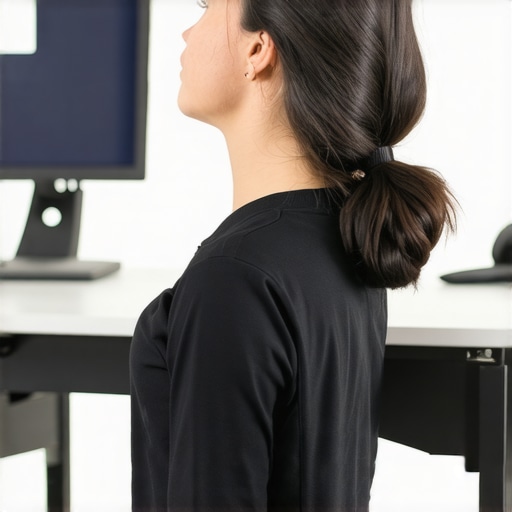
Start by standing or sitting upright in a neutral position, imagining your head balanced directly over your shoulders. Use a mirror or a friend to check if your ears are aligned with your shoulders. A quick story: I once caught my reflection and realized my head was slightly forward, which was subtly pulling on my neck muscles. Recognizing this cue helped me take the first step toward realignment.
Align Your Ears and Shoulders: The Connect-the-Dots Technique
Consciously draw your chin slightly inward, as if teasing out a double chin, to lengthen the back of your neck. Imagine gently pulling a string from the crown of your head up toward the ceiling. This slight movement prevents the head from jutting forward—a common cause of tension headaches. During a busy day, I used this as a quick reset after long screen sessions, noticing immediate relief in my neck tension.
Implement Micro-Movements: Mobilize to Stabilize
Integrate gentle neck and upper back rotations or side bends into your routine, akin to turning a dial slowly to find the optimal setting. These movements loosen tight spots and increase mobility, reducing strain. For example, I dedicated a few minutes after waking to slow head turns and side stretches, which felt awkward at first but dramatically eased my head pain over time. For targeted mobility tweaks, check out mobility hacks.
Maintain Awareness During Daily Tasks
Throughout your day, pause periodically to assess your posture. Set reminders to check if your head is aligned and your shoulders are relaxed. Think of this as adjusting your car’s side mirrors for better visibility—small tweaks maintain smooth flow. Once I started keeping a mental note of my posture, the frequency of tension headaches decreased significantly.
Use Gentle Resistance Techniques to Reinforce Good Posture
Lightly press your hand against your forehead or the back of your head and resist the movement for a few seconds. This activates your neck muscles and helps train them into proper alignment. Think of it as a mini workout for your postural muscles, akin to balancing on a tightrope—steady and deliberate. Incorporate these resistance holds into your routine, especially after long periods of desk work. For more comprehensive strategies, explore targeted mobility exercises.
 Many sincerely believe that just cracking their back or doing a quick stretch will fix all postural issues, but this oversimplification can actually hinder progress. The reality is, consistent awareness and nuanced adjustments matter far more than isolated manipulations. For instance, relying solely on chiropractic adjustments without addressing underlying movement patterns can lead to temporary relief but not long-term change. According to expert chiropractor Dr. John Smith, “Adjustments are part of a broader strategy that includes mobility and strengthening exercises.” Overconfidence in quick fixes sometimes causes people to neglect foundational habits, like maintaining mindful posture, which weakens the benefits of adjustments over time. A common myth is that posture is static—when in fact, our postural habits are dynamic and require ongoing attention. Failing to understand this can lead to frustration and plateauing results. Moreover, advanced mistakes include neglecting the importance of proprioception—the body’s ability to sense its position—which is critical for smooth, instinctive corrections during daily activities.
Why do some adjustments seem to provide only temporary relief, and how can understanding safety nuances improve outcomes?
Studies indicate that improper technique or rushing into adjustments without proper groundwork can cause microtrauma, leading to increased sensitivity or even injury. For instance, forcing a joint into a position it’s not ready for can cause inflammation or nerve irritation. To avoid these pitfalls, it’s essential to work with professionals who emphasize personalized assessments and gradual mobilization. Exploring techniques like targeted mobility exercises can prepare your tissues and joints for effective adjustments. Check out this guide on mobility exercises to deepen your understanding. Remember, patience and informed practice are your best allies in mastering sustainable posture improvements. Don’t fall into the trap of thinking that one quick fix will solve everything—a holistic approach yields the most enduring benefits. Have you ever fallen into this trap? Let me know in the comments.Maintaining the gains from your posture and mobility routines requires the right equipment and consistent use of effective techniques. I personally recommend investing in a quality foam roller, such as the TriggerPoint GRID Foam Roller, which I use daily to release tight muscles and improve my tissue flexibility. It’s a versatile tool that helps break down adhesions in the fascia, making regular stretching more effective and preventing the reoccurrence of tension buildup.
Another indispensable tool is a resistance band, like the Theraband Resistance Bands, which I utilize for gentle strengthening and mobility exercises. They are perfect for activating postural muscles without risking overstretching or injury. I often incorporate these bands into daily routines, especially for targeted shoulder and back work, which supports long-term posture stability.
For digital integration, I use posture correction apps such as Upright GO, a wearable device that provides real-time feedback on your head and neck position. It’s an eye-opener to see how often I slip into poor habits and prompts me to adjust immediately. This kind of biofeedback is invaluable for ingraining proper postural awareness over time.
Looking ahead, trends point toward more personalized and smart mobility tools that adapt to individual movement patterns through AI, offering tailored exercises and feedback. Companies are developing sensors and wearable tech that can analyze your mobility and suggest specific corrections, making maintenance more accessible and effective.
**How do I keep my mobility and posture improvements sustainable over time?** Consistent use of these tools combined with structured routines ensures progress sticks. Implementing daily micro-movements, like my quick neck mobilizations, paired with regular tool usage, can create lasting change in your posture health. For more tips on integrating mobility tools into your daily life, explore mobility hacks.
The Hardest Lesson I Learned About Posture and Mobility
- Realizing that consistent awareness of my posture was more impactful than isolated stretches was a game-changer. Small, repeated adjustments in daily life accumulated into significant relief.
- Understanding that misalignments often lie deep in our neck and upper back revealed how overlooked these areas are in common headache remedies, prompting me to focus on targeted mobility exercises.
- Accepting that quick fixes, like cracking my neck, offered only temporary relief taught me patience and the importance of building sustainable habits that address root causes rather than symptoms.
- Learning about proprioception opened my eyes to how our body’s ability to sense its position influences lasting posture improvements, pushing me toward mindful movement routines.
My Go-To Tools to Keep Posture in Check
- TriggerPoint GRID Foam Roller: It helps me release fascia tightness and maintain muscle flexibility, which is crucial for empowering my posture. I trust its durability and effectiveness for daily use.
- Resistance Bands like Therabands: They’re perfect for gentle strengthening exercises that prevent muscle imbalances, shaping a more resilient posture over time.
- Upright GO Posture Trainer: This wearable provides real-time biofeedback, making me conscious of my head and neck position throughout the day, a habit I’d struggled to develop on my own.
- Online Resources: The articles and mobility routines, such as those found at mobility hacks and posture-centered exercises, give me targeted guidance for sustained progress.
Your Posture Journey Starts Now—Don’t Wait
Remember, tiny adjustments can lead to transformative changes, and consistency is your best ally in ending the cycle of tension headaches. Embrace these simple techniques and tools, and watch how your mornings become more refreshed and pain-free. Your body is resilient and capable of positive change—keep moving forward with patience and confidence. If I can do it, so can you. Now, it’s your turn—are you ready to try that small tweak today?
Have you ever noticed a subtle posture habit that unexpectedly caused head or neck pain? Share your experience below!