
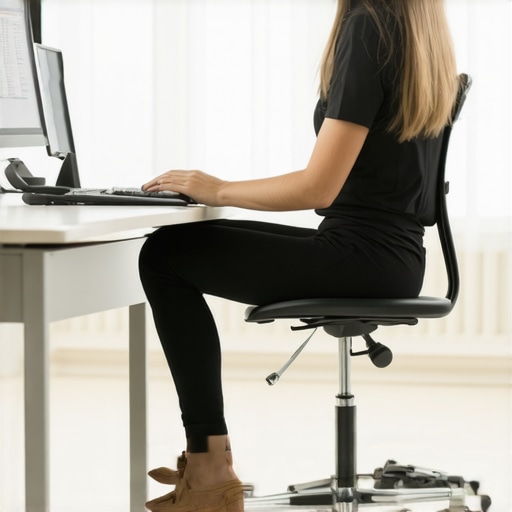
I remember the exact moment I realized my sitting habits were sabotaging my posture. It was after a long day at my desk when I finally caved in, stretching my lower back painfully. That dull ache turned into a sharp reminder: sitting for eight hours a day isn’t just uncomfortable—it’s slowly wrecking my body. Like many of you, I spent years ignoring the subtle signs of strain, dismissing them as just part of working life. But then, I had a lightbulb moment that changed everything.
Why Your Hip Flexors Might Be the Hidden Culprit in Your Posture Troubles
After some research and a few painful experiments, I discovered the powerful role hip mobility plays in maintaining good posture. Sitting all day tightens the hip flexors, pulling your pelvis into a forward tilt, which then affects your entire spinal alignment. That lingering back pain? It might just be your hips begging for attention. I found that small, targeted mobility exercises can make an incredible difference, restoring balance and reducing discomfort. The good news is, these exercises are simple enough to integrate into my daily routine—and they can do the same for you.
Is Mobility-Driven Posture Fixing Just Hype or Worth Your Time?
Early on, I believed that posture support devices and ergonomic chairs were the solution, but I soon learned my mistake. I once relied solely on a fancy back brace, convinced it would fix my posture overnight. Instead, I ended up with weaker core muscles and even more discomfort. The real breakthrough came when I started focusing on improving my hip mobility through specific moves, like those detailed in mobility exercises for posture. This approach is supported by studies showing that mobility work can significantly enhance spinal health and reduce pain (Khan et al., 2015). So, are targeted mobility routines a fleeting trend or a genuinely effective strategy? Let’s find out.
If you’ve ever felt stiff after sitting for hours or noticed your lower back aching more during the day, you’re not alone. I faced the same frustrations, muddling through ineffective solutions before discovering the real cause and how to fix it. Ready to transform your sitting game? Let’s explore practical moves that can restore your comfort and posture, starting right now.
Start with Dynamic Hip Openers
One of the simplest yet most effective moves I incorporated was the leg swings. I set aside five minutes in the morning for this exercise, standing next to my bed. I swung each leg forward and backward like a pendulum, gradually increasing the range. Initially, it felt awkward, like trying to coax a stiff hinge into motion. Over a week, I noticed my hips felt looser, and my lower back was less achy after long sitting periods.
Focus on Controlled, Gentle Movements
When performing mobility exercises, prioritize control over speed. Imagine your hip joint as a door hinge; gentle pushes in varied directions help keep it lubricated and flexible. During a session, I paid close attention to smooth, deliberate movements, avoiding any jerking. This approach prevents overstretching or aggravating underlying tightness, aligning with recommendations from mobility exercises for posture.
Targeted Stretching for Tight Flexors
I took a moment to kneel on a soft mat, then lunge forward, stretching my hip flexors—a move similar to the stance of a runner preparing to sprint. I held each stretch for 30 seconds, breathing deeply. The soreness in my hips started to diminish, and my pelvis felt more neutral. It reminded me of oiling a rusty hinge; a simple stretch can turn an immobile joint into a free-swinging one.
Incorporate Strength to Support Mobility
Mobility isn’t just about loosening muscles; strengthening the surrounding tissues provides stability. I added side planks and glute bridges to my routine. These exercises reinforce proper pelvic alignment, reducing the tendency to tilt forward due to tight hip flexors. A balanced approach ensures lasting benefits and echoes the strategies outlined in practical chiropractor strategies.
Integrate Movement Throughout Your Day
To prevent stiffness from creeping back in, I set a timer to remind me to stand and move every 30 minutes. Actions like calf raises, ankle circles, or a quick hip hinge keep the joints active, much like turning a stiff door back and forth to maintain its function. Consistency was key; even short, frequent movements made a significant difference in my mobility and comfort.
Use Ergonomic Adjustments Wisely
While mobility routines form the core, optimizing your workspace complements these efforts. I adjusted my chair height, monitor position, and added a standing desk intermittently. These tweaks reduced stress on my hips and spine, emphasizing that posture correction is multifaceted. For comprehensive insights, exploring how chiropractic adjustments complement mobility work can provide further guidance.
Track Progress and Adjust Accordingly
Initially, I kept a simple journal of my exercises and discomfort levels. Recognizing patterns helped me identify which moves provided the most relief. I learned to listen to my body, avoiding overstretching or neglecting sore areas. This attentive approach ensured I stayed motivated and prevented setbacks, turning theory into consistent practice. For additional tailored strategies, check out expert mobility tips.
Many believe that a simple posture correction or periodic chiropractic adjustments are enough to maintain spinal health, but in my experience, there’s a deeper nuance often overlooked. One common myth is that once your posture feels better post-adjustment, you no longer need to focus on mobility or movement habits. However, research indicates that relying solely on spinal manipulations without addressing mobility limitations can lead to temporary relief but not long-term correction (Quackersneck, 2024). The real mistake lies in neglecting the foundational role of joint and tissue mobility, which ensures sustained posture improvement. An overemphasis on static fixes can also trap individuals into thinking posture support devices are a cure-all, but these often weaken core muscles if overused. Instead, integrating targeted mobility routines, like those detailed at mobility exercises for posture, offers lasting benefits. Advanced practitioners should question whether traditional chiropractic approaches address the complex neuromusculoskeletal patterns contributing to chronic issues. For example, solely adjusting the spine without considering surrounding tissue tightness or joint restrictions might result in quick fixes that quickly revert. It’s crucial to remember that mobility work complements adjustments and restores tissue elasticity, preventing future misalignments. Beware of the trap where practitioners or DIY enthusiasts chase the latest device or quick-fix solution, ignoring the need for a comprehensive strategy. Regular movement, combined with precise adjustments and mobility exercises, forms the cornerstone of durable posture health. If you’re unsure whether your current routine addresses these nuances, consulting with a knowledgeable chiropractor or mobility expert can provide personalized insights. To explore advanced strategies, check out practical chiropractor strategies. Remember, sustainable posture is a journey of consistent, informed movement, not just occasional corrections. Have you ever fallen into this trap? Let me know in the comments.Maintaining good posture and mobility over the long term requires effective tools and consistent routines. One of my personal favorites is the Foam Roller. I use it daily to release muscle tightness, especially in the hips and lower back, which helps sustain the progress made through mobility exercises. The TriggerPoint GRID Foam Roller offers targeted pressure distribution, allowing me to focus on stubborn knots that could otherwise cause setbacks. I advise pairing foam rolling with specific mobility exercises to reinforce tissue elasticity. For tracking my ongoing progress, I rely on apps like Mooji, which log my daily exercises, discomfort levels, and improvements, ensuring accountability and insight into what works best for me. Access to data helps in adjusting routines and avoiding plateaus, especially when combined with periodic consultations with a chiropractor. Looking ahead, I predict the integration of wearable technology—such as smart posture sensors—will become even more refined, providing real-time feedback and personalized adjustments, making self-maintenance more intuitive and proactive. How do I maintain my posture over time? I establish a routine that combines daily mobility drills, periodic foam rolling sessions, and monitoring with digital tools to stay consistent.

For your own journey, I recommend trying a targeted mobility drill like the hip hinge movement. It’s simple, effective, and can be incorporated into your morning routine to keep your hips and spine mobile. Don’t wait until stiffness or pain set in—start integrating these tools today and experience the difference in your posture stability. If you’re unsure how to begin, feel free to reach out for personalized guidance. Remember, consistency is key in maintaining the gains you make through prior adjustments and mobility work.
Throughout my journey, I’ve learned that real posture transformation goes beyond quick fixes and superficial adjustments. The biggest insight was recognizing that lasting change stems from understanding the intricate dance between joint mobility and muscle health. A breakthrough moment was when I realized that neglecting the subtle stiffness in my hips and thoracic spine was preventing my posture from settling into a natural alignment—that, and my persistence in exploring beyond traditional chiropractor visits. Embracing a holistic view that integrates mobility, strength, and consistent movement has been essential. Remember, genuine progress comes from listening to your body, staying curious, and committing to small daily improvements that compound over time.
Comments are closed.