
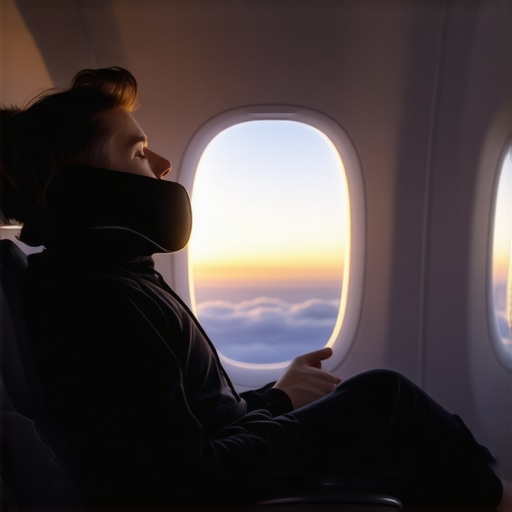
You know that sinking feeling when your neck starts to stiffen mid-flight, and suddenly, turning your head feels like trying to move a rusty hinge? I remember the first time this happened to me—halfway across the world, trapped in that tiny plane seat, feeling helpless as my neck refused to cooperate. It was a lightbulb moment for me: there had to be a better way.
Since then, I’ve explored countless strategies, tried and tested, to keep my neck flexible and comfortable during those marathon flights. And today, I want to share a simple, proven trick that made all the difference for me—and can do the same for you. No more waking up with a crick, no more discomfort ruining your trip. Instead, you can arrive refreshed, ready to enjoy your destination.
Why Long Flights Cause Neck Stiffness and How to Prevent It
Long flights often push our bodies into uncomfortable positions—hunched over trays, leaning into support pillows, or craning to see screens. Over time, this leads to tension in the neck muscles, restricted mobility, and sometimes even nerve compression. Since the neck supports the head, which is quite heavy relative to the rest of the body, even minor misalignments or stiffness can feel unbearable after hours.
Early in my journey to improve my mobility, I made the mistake of neglecting proper support and ignoring my body’s signals. I constantly assumed that a few stretches and a pillow would fix everything, but that only provided temporary relief. I learned that integrating specific adjustments and mobility exercises could drastically reduce stiffness. If you want to learn how you can prevent or alleviate neck tension, I recommend exploring expert strategies at [improving posture through mobility](https://quackersneck.com/improving-posture-through-mobility-practical-chiropractor-strategies) for long-term benefits.
But what really transformed my comfort during flights was implementing a simple technique that you can do right in your seat. Curious? Keep reading, and you’ll discover how a few mindful movements can make your next long-haul journey much more bearable.
Will This Actually Work for Me? The Skeptic’s Dilemma
Admittedly, I was skeptical at first—thinking it sounded too easy, or that it wouldn’t last beyond the first few minutes. Early on, I also fell into the trap of ignoring my own advice, thinking I could tough it out like I always did. That was a mistake. I realized that consistency and proper technique are key, and that’s why I now advocate a targeted approach to mobility.
By understanding the importance of correct movements and posture corrections, I’ve been able to stand, sit, and sleep more comfortably on flights—and I believe you can too. If you’re ready to take action, consider checking out more effective mobility hacks and tips to revolutionize your posture, such as [these expert-approved mobility boosts](https://quackersneck.com/mobility-boosts-for-posture-expert-tips-for-daily-adjustments).
Now, let’s move beyond the theory. In the next sections, I’ll guide you through practical steps to keep your neck limber and pain-free during those long hours in the sky.
Master Your Seat: How to Mobilize on the Fly
When you’re seated for hours, your neck can feel like it’s glued in place, but breaking free is simpler than you think. I vividly recall the time I was stuck in a cramped aisle seat, feeling the stiffness creeping in. I decided to try a quick mobility routine right there, just turning my head gently side to side and doing a few shoulder rolls. Within minutes, the tension eased, and I was able to turn without pain. These movements are like the oil to a rusty hinge—helping your neck move smoothly again. Here’s how to do it effectively, step-by-step.
Start with Gentle Neck Rolls
Sit upright, relax your shoulders, and slowly circle your head clockwise, making a wide circle with your chin. Then, switch to counter-clockwise. Keep movements controlled and avoid forcing any range. This mimics loosening a stiff door hinge, gradually improving your joint mobility. Performing 10 circles each way encourages synovial fluid circulation in your neck joints, reducing stiffness and improving circulation.
Perform Side-to-Side Head Turns
While seated, turn your head slowly to look over your shoulder, hold for 2 seconds, then return to center. Repeat on the other side. Think of this as unlocking a tight latch—gentle, deliberate movements help unlock restricted muscles and joints. Aim for 8-10 repetitions per side, breathing deeply to enhance relaxation and oxygen flow to tense muscles.
Incorporate Chin Tucks
Pull your chin gently toward your neck, creating a double chin, then hold for 5 seconds. This targets forward head posture—common during screen time or leaning on support pillows—like straightening a bent paperclip. Doing this 10 times regularly restores neck alignment and relieves strain from prolonged poor posture.
Shoulder Shrugs and Rolls
Lift your shoulders toward your ears, hold briefly, then release. Follow with shoulder rolls forward and backward. These are like resetting the tension in the upper back and shoulders, which directly influences neck comfort. Repeat 10 times each way. This helps prevent accumulated tension that can lead to stiffness or headaches.
Set a Routine and Stay Consistent
It’s easy to forget these in-flight, but making them part of your travel habit is key. Just as brushing your teeth prevents cavities, these mobility moves keep your neck healthy over the long term. The next time I felt that familiar stiffness, I committed to doing these exercises daily, and the relief was noticeable—even after multiple trips. For a comprehensive set of mobility techniques, be sure to check out this guide for expert tips.
 Many people believe that chiropractic care is solely about quick fixes or cracking a few bones to realign the spine. While those adjustments can provide immediate relief, this oversimplified view often leads to misconceptions about how true health and mobility are achieved. In reality, effective chiropractic practice involves nuanced techniques that address underlying muscular imbalances, joint mobility, and neural pathways. For instance, a common myth is that once an alignment is corrected, the problem is permanently resolved. However, without ongoing mobility work and posture awareness, misalignments can quickly recur, emphasizing the importance of a comprehensive, daily approach to mobility and posture. Recognizing that adjustments are part of a broader lifestyle strategy helps avoid the trap of temporary relief and promotes sustainable health.
Another misconception surrounds posture correction, where many assume that standing straight or rigidly holding shoulders back is the goal. Ironically, stiffness and muscular tension often worsen when people overcorrect, leading to fatigue and discomfort. Instead, the focus should be on *mobility*—the ability to move dynamically and fluidly—that promotes natural alignment. Advanced mistakes include neglecting the role of soft tissues such as fascia and muscles, which can limit joint mobility even when skeletal structures are aligned. Incorporating targeted mobility exercises, like those detailed in these expert tips, can prevent compensatory patterns.
Diving deeper, it’s essential to understand how many practitioners overlook the body’s interconnectedness. A spinal adjustment might seem localized, but issues often stem from distant areas like hips, shoulders, or even foot biomechanics. This is where a holistic approach truly benefits patients. Overlooking these nuances can cause practitioners to chase symptoms rather than root causes, leading to persistent problems. As Dr. Craig Liebenson points out in his work on movement rehabilitation, addressing global movement patterns yields better outcomes than isolated corrections. Implementing a broad, functional mobility routine ensures long-term improvements.
Now, in terms of advanced mistakes, avoid the trap of rigid adherence to traditional techniques. Many assume that the latest high-velocity adjustments are always superior, but evidence suggests that gentle, sustained mobilizations combined with active exercises often produce better long-term results. This approach aligns with current research, like the study published in the Journal of Manipulative and Physiological Therapeutics, which indicates that patient engagement and active movement are crucial for lasting benefits. Adapting your strategy and incorporating movement-based therapies can make your practice more effective.
Ever fallen into this trap? Let me know in the comments. Remember, mastering these nuances can elevate your understanding from basic to expert, ultimately translating into better care and healthier, more mobile clients.Maintaining optimal mobility and posture isn’t a one-and-done effort; it requires effective tools and consistent routines. When I first started focusing on long-term health, I realized that investing in the right equipment and adopting proven methods made all the difference. One indispensable tool I personally recommend is a high-quality foam roller. Regularly using a foam roller helps release my fascia and muscular tension, especially in the thoracic area, which is crucial for good posture. I prefer a dense, moderate-sized foam roller because it provides enough pressure for deep tissue work without being too uncomfortable. Incorporating rolling sessions into my daily routine, particularly after workouts or long sitting periods, ensures my muscles remain supple and ready to support proper alignment.
Finding lasting relief from neck stiffness during flights was a journey filled with trial, error, and unexpected insights. One of the most profound lessons I learned was that the tiniest adjustments—when performed consistently—can drastically improve your mobility and comfort. This realization shifted my entire approach, emphasizing the importance of proactive movement rather than reactive fixes. Now, I understand that maintaining flexibility isn’t just about one routine but about integrating mindful habits into every part of my life. If you’re committed to conquering long flight discomfort, embracing these personalized, strategic movements can revolutionize your travel experience and overall well-being.
What I Wish I Knew About Long-Term Neck Care Before I Started
Consistent mobility work trumps occasional stretches. Waiting until discomfort hits is a recipe for injury. Instead, making small movements a daily habit, especially when seated for prolonged periods, creates a resilient neck.
Understanding that muscle imbalances often lie at the heart of stiffness helped me focus on soft tissues, like fascia and supporting muscles, rather than just joint adjustments. This holistic view makes a significant difference.
My most eye-opening insight was realizing the importance of proactive posture awareness. Simple cues—like clenching my shoulder blades gently or slight chin tucks—can prevent stiffness before it starts.
Lastly, I discovered that investing in the right tools, such as a quality foam roller, amplifies my mobility routine, turning sporadic efforts into sustainable habits that consistently pay off.
What Resources Have Truly Reshaped My Approach
Expert mobility tips have been game-changers, teaching me precise exercises tailored for busy travelers. These routines are easy to incorporate and deliver results fast.
Comprehensive guides broadened my understanding of the interconnectedness between posture and mobility, encouraging a more mindful daily practice.
Personal coaching and chiropractic consultations provided critical feedback, helping me fine-tune my habits for maximum benefit.
Lastly, podcasts and articles from trusted health professionals kept me inspired, reminding me that continuous learning is key to lasting well-being.
Your Journey Starts Now—Take That First Step
Remember, mastering neck mobility and posture doesn’t require monumental effort—just consistent, mindful actions. Every small movement you incorporate today builds the foundation for a healthier, more comfortable tomorrow. Whether you’re on a plane or at your desk, these techniques empower you to take control of your well-being. Keep exploring, practicing, and celebrating each gain along the way. Your future self will thank you for each step forward.
What’s one mobility habit you’re ready to start implementing today? Share your goals below—I’d love to hear how you plan to improve your long-haul comfort!
,