
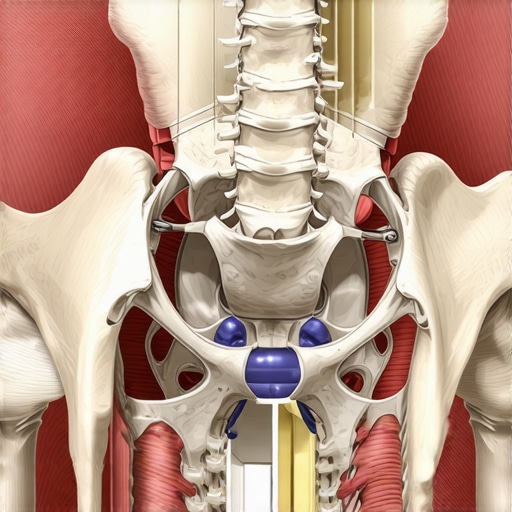
It was one of those mornings where I felt like I was dragging a heavy chain with every step. My hips felt stiff, and by the time I reached the end of my driveway, exhaustion was setting in. That lightbulb moment hit me hard: my walking fatigue wasn’t just another tired day—it was a sign that something tiny, yet critical, was out of alignment. I realized that small adjustments in my pelvis could make a world of difference, transforming my daily walks from exhausting chores into effortless motion.
Why this little tweak could change your life
Have you ever felt that familiar ache in your hips or that draining fatigue after just a short walk? It’s more common than you might think, and often, it’s a signal that your pelvis isn’t quite aligned. That tiny shift in pelvic position can influence your entire mobility, affecting how you stand, walk, and even breathe. This realization prompted me to dig deeper, discovering how small adjustments in the pelvic area could unlock profound improvements in walking stamina.
Did you know that poor pelvic alignment has been linked to muscle fatigue and joint discomfort, sometimes mimicking more serious conditions? According to a guide from chiropractic experts, even minor misalignments can interfere with your body’s natural movement patterns, leading to fatigue and discomfort over time. (Learn more about the connection between mobility and posture [here](https://quackersneck.com/the-link-between-mobility-and-posture-a-chiropractors-guide)).
This got me thinking—what if a simple, targeted adjustment could alleviate my walking fatigue? What if that tiny pelvic correction could restore not just movement but also energy levels? I’ll admit, early on, I made a mistake. I was skeptical and tried to push through the discomfort, thinking it was just part of aging. That attitude only delayed my recovery and kept me stuck in the fatigue cycle.
Today, I want to share with you how focusing on this small but powerful adjustment transformed my mobility—and it can do the same for you. Are you ready to explore this breakthrough? Let’s dive into how your pelvis might be the missing piece in your walking fatigue puzzle, and how making a tiny tweak can lead to big changes.
Identify Your Pelvic Imbalances
Start by standing in front of a mirror and observing any asymmetry in your hips or pelvis. Notice if one side appears higher or rotated compared to the other. This visual check helps you recognize potential misalignments that contribute to your fatigue.
Micro-Story: I once noticed my right hip looked slightly higher while dressing. This small observation prompted me to proceed with targeted adjustments, leading to noticeable improvements in my walking stamina.
Learn Basic Pelvic Mobilization Techniques
Lie on your back with knees bent and feet flat on the floor. Gently tilting your pelvis back and forth mimics the natural pelvic movement. This simple exercise helps restore mobility and prepares you for more precise adjustments.
Practice Gentle Self-Adjustments
While lying down, place your hands on your pelvis’ sides. Using controlled pressure, gently rock or press each side to encourage alignment. Think of it as nudging a slightly tilted picture frame back into place. Consistency here trains your muscles and joints to settle into proper positions.
Micro-Story: I initially found this method awkward, but after a few sessions, I noticed my hips felt more balanced, reducing my fatigue during walks.
Incorporate Targeted Mobility Exercises
Engage in mobility drills such as hip circles or leg swings. These move your pelvis dynamically, reinforcing correct alignment. Regular practice enhances posture and minimizes strain.
Seek Professional Chiropractic Guidance
While self-corrections are helpful, consulting a chiropractor ensures precise adjustments. They use specific techniques, like gentle articular mobilizations, to re-establish optimal pelvic positioning. It’s akin to tuning a musical instrument for harmony.
Micro-Story: After a session with my chiropractor, I experienced immediate relief, and my walking energy increased significantly.
Integrate Adjustments Into Daily Life
Apply these techniques during routines—standing before a mirror, during breaks, or after physical activities. Think of it as fine-tuning your body’s alignment just like maintaining a well-balanced vehicle.
Maintain Consistency and Monitor Progress
Track changes by noting your fatigue levels and noticing any improvements. Consistency solidifies these adjustments and enhances long-term mobility benefits.
Many people have misconceptions about posture, chiropractic adjustments, and mobility that can hinder progress and even cause harm. A prevalent myth is that perfect posture is static and unchanging, but in fact, posture is dynamic and requires ongoing adjustments, especially considering individual variances. Believing that all misalignments are due solely to spinal issues can lead to overlooking other contributing factors like foot biomechanics or muscular imbalances, which are crucial for lasting improvements.
Why do some chiropractic adjustments provide immediate relief while others take time?
Understanding the difference lies in addressing root causes versus superficial symptoms. According to experts, quick relief may result from temporary muscular relaxation, but true correction involves restoring proper joint function and neuromuscular communication, which requires a tailored approach. Relying solely on routine cracking without addressing underlying issues can be an advanced mistake, often leading to dependency and minimal long-term benefits. This is supported by research indicating that targeted, holistic treatment yields better mobility and posture outcomes than generic techniques.
How can advanced practitioners avoid the trap of superficial treatments?
Advanced practitioners focus on diagnosing patterns of imbalance rather than isolated symptoms. They incorporate detailed assessments—such as analyzing gait, foot function, and muscular mobility—to craft comprehensive treatment plans. This nuanced approach ensures adjustments promote sustainable improvements. A common mistake is neglecting these nuances, resulting in temporary fixes rather than functional corrections. For example, a misaligned pelvis may be symptomatically addressed by ignoring foot pronation, which perpetuates misalignment and discomfort. Knowledge of these interconnected systems, as detailed in authoritative sources, underpins successful long-term care. Engage in continuous education and personalized strategies to avoid these pitfalls. Remember, mobility isn’t just about cracking joints—it’s about fostering harmony among your muscles, joints, and nervous system.
Many individuals assume that stretching or cracking a joint daily will fix ongoing issues, but this oversimplification often ignores deeper mechanics. For instance, engaging in mobility exercises without understanding the precise movement patterns can exacerbate imbalances. Therefore, consulting a knowledgeable chiropractor who guides you through specific techniques tailored to your anatomy, like those described in this detailed guide, is essential. Recognizing the complexity of human biomechanics helps prevent falling for myths that stagnate progress. Everyone, from casual movers to professional athletes, benefits from understanding these nuanced mechanics. Have you ever fallen into this trap? Let me know in the comments. Remember, true posture correction combines scientific insight with personalized action, not quick fixes or generic advice.Maintaining optimal posture and mobility over time requires the right tools and consistent effort. One of my go-to devices is a high-quality foam roller, which I use daily to release muscle tightness and promote blood flow, helping me sustain the gains from adjustments and mobility exercises. Another essential tool is a resistance band set. I incorporate these into my routine for targeted strengthening and stretching, especially for areas like the hips and shoulders that are prone to imbalance. The key is selecting equipment that is durable, versatile, and easy to use, ensuring consistency without hassle. For example, I prefer a textured foam roller which provides more effective muscle release, and I keep a small travel-size version handy for quick sessions during the day. Additionally, software plays a crucial role; I rely on mobility tracking apps that prompt me to perform exercises and log progress, turning maintenance into a manageable daily habit. Looking ahead, technology trends like smart sensors embedded in wearable devices could provide real-time feedback on posture, making self-correction more intuitive and precise. How do I maintain my posture long-term? Consistency with proper tools is vital—integrate daily mobility drills, use adjustable ergonomic furniture, and schedule regular chiropractic check-ins. The [revolution in mobility tools](https://quackersneck.com/revolutionize-your-posture-with-targeted-mobility-exercises) and adjustments demonstrates just how much technology and equipment can elevate your ongoing posture care. Remember, the secret isn’t just acquiring tools but developing a routine that makes them part of your daily life. Try incorporating a targeted mobility drill using resistance bands or a foam roller today—small investments can yield significant long-term benefits. Regular maintenance combined with the right equipment will empower you to keep your improvements sustainable and help prevent regressions or setbacks in your posture journey.
Throughout my journey, I discovered that the smallest changes can lead to profound improvements in posture and mobility. One of the most eye-opening lessons was realizing that persistent fatigue during walks was a sign of subtle pelvic misalignments—an insight that shifted my entire approach. Tiny adjustments, when done consistently, can create lasting harmony within your body’s biomechanics, making everyday activities smoother and pain-free.
Lessons I Wish I Had Learned Sooner
- The Power of Listening to Your Body: Paying close attention to minor discomforts, like hip tightness, can reveal underlying misalignments before they escalate into chronic pain.
- Consistency Trumps Intensity: Regular, gentle mobility exercises and self-alignments are more effective than sporadic intense treatments. Small, daily efforts build long-term health.
- Holistic Awareness: True correction involves understanding how foot biomechanics and muscular balance contribute to pelvic alignment—focusing solely on the pelvis misses the bigger picture.
Tools That Made a Difference in My Mobility Journey
- Targeted mobility exercises—These simple, science-backed drills kept my pelvis mobile and prevented setbacks.
- Expert chiropractic guidance—Personalized adjustments addressed root causes effectively, accelerating my recovery.
- Posture-focused stretching tools—Using foam rollers and resistance bands helped reinforce the correct positioning daily.
- Mindful posture tracking apps—These helped me stay accountable and monitor progress, ensuring that improvements became habits rather than temporary fixes.
Step Into Your Power Today
Remember, the key to sustainable posture health lies in embracing small, consistent actions. By integrating targeted adjustments and mobility practices into your daily routine, you’re setting the stage for lasting change. Imagine moving through your day with ease, confidence, and vitality—this is within your reach when you treat your body with patience and care. Whether you’re just starting or fine-tuning your progress, every mindful step counts. Are you ready to transform your posture and reclaim your energy? Dive into these techniques and notice the difference for yourself.
What small adjustment will you try today to improve your pelvic alignment? Share your plans below—I’d love to hear your story!