

Imagine this: after switching to a sleek standing desk, I expected to feel energized, aligned, and ready to conquer my day. Instead, I was met with stubborn lower back stiffness that seemed to worsen each week. My initial excitement quickly turned into frustration—and a realization that I was missing something crucial about posture and mobility. That lightbulb moment changed everything for me, and I want to share what I’ve learned with you.
Why My Back Felt Worse on a Standing Desk
At first, I believed that standing more would automatically improve my posture and reduce back pain. But I overlooked a key factor: movement. It’s easy to assume static standing is good, but prolonged stillness can actually cause muscles to tense and joints to stiffen. I made the mistake of standing in one position for hours without shifting my weight or moving around, which only made my lower back feel tighter and more uncomfortable. According to a chiropractic perspective, mobility and regular movement are vital to maintaining a healthy spine and preventing stiffness.
What I didn’t realize back then was that an effective posture isn’t just about standing; it’s about integrating movement, stretching, and proper ergonomic adjustments into your day. This discovery was a game-changer for my comfort and productivity. If you’ve experienced similar frustrations with standing desks or lower back tightness, don’t worry—you’re not alone, and there’s hope.
What We’ll Cover Today
In this post, I’ll walk you through practical strategies to combat lower back stiffness, especially if you’re sitting or standing for long periods. We’ll explore how improving mobility and making simple corrections can transform your day-to-day comfort. Ready to stop the pain and start moving better? Let’s dive in.
Is Your Standing Desk Really Worth the Hype?
One of my early mistakes was investing in a tall desk without considering how I used it. I thought simply raising my workstation to standing height would fix my posture issues. Turns out, I was missing the bigger picture. Standing all day without proper movement is just as harmful as sitting for hours. Many people fall into this trap—believing the fix is just a new desk. The truth is, effective posture and mobility are about more than equipment; they’re about habits and body awareness. To get to the root of your back stiffness, it’s essential to understand how your body moves and adjusts. For more insights on this, check out my article on enhancing your posture with chiropractic techniques.
Are you tired of trying every new gadget or standing desk setup only to feel worse? If so, it’s time to rethink your approach. Next, I’ll share practical steps that will help you stay active and reduce stiffness, backed by expert tips and real-life success stories.
Incorporate Controlled Movement into Your Routine
One of the most effective ways to combat back stiffness is to introduce deliberate, controlled movements throughout your day. For example, set a timer to remind yourself to shift your weight every 15 minutes if you’re standing or sitting for extended periods. During my early days at the standing desk, I would just stand rigidly, which worsened my discomfort. Now, I perform small hip circles and ankle rolls, much like warming up a machine before a heavy lift. These simple motions keep muscles engaged and joints lubricated, preventing stiffness. For detailed mobility exercises, visit this guide on mobility exercises.
Perfect Your Ergonomic Setup
Adjusting your workspace is like tuning a musical instrument: every small tweak makes a big difference. I realized my monitor was slightly below eye level, causing me to crane my neck, which added strain. By elevating my monitor using books, I made a simple adjustment that improved my posture instantly. Think of your ergonomic setup as a foundation—you want everything aligned to support natural movement. Use a lumbar cushion or rolled-up towel in your chair to support your lower back, mimicking the natural lumbar curve. For a comprehensive understanding, see how chiropractic adjustments support ergonomic alignment.
Master the Art of Gentle Stretching
Stretching isn’t about pulling muscles to their limit; it’s about releasing tension gently. I started by doing a simple lumbar twist, seated in my chair—imagine wringing out a wet towel. This movement eased my lower back pain after sitting for hours. To deepen this practice, incorporate hip flexor stretches and hamstring openers, which are like unlocking the hinges on a door to prevent stiffness. Remember, aggressive stretching can backfire, so ease into each move. For specific routines, check out expert chiropractic stretch routines.
Use Micro-Adjustments to Reinforce Posture
Little tweaks make a big difference. I found that adjusting my neck angle by tucking my chin slightly reduced upper back tension. Think of your body as a cable system; slight realignments prevent the buildup of strain. Consistent micro-adjustments, like widening your stance or slight chest opening, train your muscles to maintain proper alignment. For insights into the science behind these tweaks, visit how small adjustments alleviate neck strain.
Engage in Daily Posture Habits
Integrate habits like anchoring your feet flat on the ground or shoulder blades back when seated—these are like anchors for your spine. I set reminders to check my posture every 20 minutes; this consciousness keeps me from slipping into harmful positions. Think of these habits as training wheels—they ensure your body remains in proper form as it adapts to new movement patterns. For proven habits and exercises, explore mobility hacks for daily life.
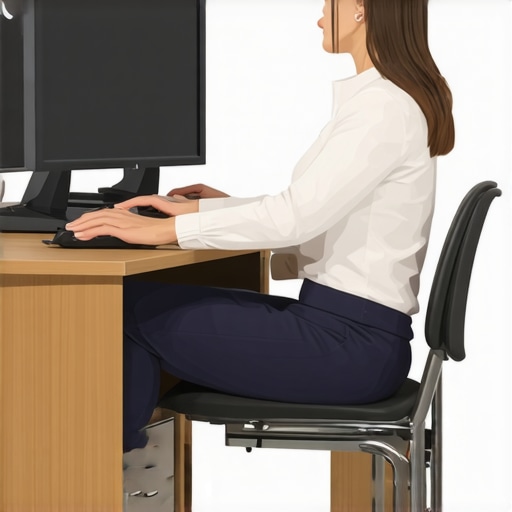
Many people believe that chiropractic adjustments or mobility exercises are quick fixes that will instantly correct their posture. However, this oversimplification often leads to misconceptions that can hinder progress or even cause setbacks. Let’s dig deeper into the nuanced realities that many overlook in their quest for better spinal health.
The Danger of Relying Solely on Adjustments
One of the most pervasive myths is that a chiropractic adjustment alone can permanently fix misalignments. While adjustments can provide immediate relief and realignment, they are not magic bullets. Without addressing underlying habits or mobility issues, the benefits tend to be temporary. In fact, repeatedly relying on adjustments without incorporating movement and ergonomic corrections can lead to a cycle of temporary relief but no meaningful long-term change. As highlighted in expert insights, consistent movement and targeted mobility work are essential for sustainable improvement.
Beware of the trap where practitioners or misinformation suggest that adjustments are a one-time fix. Instead, think of adjustments as part of a comprehensive plan that includes strengthening, stretching, and habit modifications. This holistic approach aligns better with the complex nature of our spine and muscular system.
Myth: Mobility Exercises Are Just Stretching
Many assume that all mobility exercises are just about stretching muscles. While stretching has its place, true mobility training involves neural engagement, joint stabilization, and proprioception. It’s about training your nervous system to better control movement, not just loosening tight muscles. For instance, dynamic mobility drills can increase joint range of motion and stability simultaneously, leading to superior posture maintenance. To learn more about effective mobility routines, check out expert mobility exercises.
Can Mobility Techniques Address Subtle Postural Imbalances?
Advanced practitioners often ask if mobility work can correct small asymmetries or early postural issues. The answer is yes, but it’s not just about performing generic stretches. It requires targeted movements that activate weak links or stabilize overcompensating muscles. These nuanced corrections can prevent progression to more serious problems. For example, addressing the subtle imbalance between dominant and non-dominant sides through specific mobility drills can restore symmetry over time. More insights into precision mobility strategies are available in my comprehensive guide on improving posture via mobility.
Most importantly, integrating mobility with ergonomic awareness and consistent habits maximizes results. As always, keep in mind that the human body is a complex system—what works for one person might need adjustments for another. Have you ever fallen into this trap? Let me know in the comments and share your experiences with mobility and posture corrections.
Maintaining good posture and mobility isn’t a one-time effort; it requires consistent reinforcement and the right tools to track progress and adjust your routine effectively. Over the years, I’ve found that integrating specific equipment and software into my daily habits enhances both the quality and longevity of my improvements. One essential tool I rely on is a **lumbar roll**—a simple yet powerful device that supports natural spinal curves. I personally use a memory foam lumbar roll in my office chair to prevent slouching and promote proper alignment during long work hours. Its adjustability allows me to customize the height and firmness, ensuring optimal comfort and support, which aligns with best practices outlined in expert chiropractic insights.
For tracking posture and mobility progress, I recommend using **smart posture correctors** that connect to mobile apps. Devices like Upright GO provide real-time feedback when you slouch, prompting quick corrections before poor habits set in. I use this device daily, especially during periods of prolonged sitting, as it trains my subconscious to maintain better posture over the long term. These tools serve as external reminders that complement the internal awareness developed through mobility exercises.
Additionally, incorporating **mobility apps** like MobilityWOD (now part of the ROMWOD platform) helps me structure my daily routines with targeted stretching and movement drills. The app’s guided sessions optimize my joint and muscle health, reducing stiffness and reinforcing good habits. As I continue to evolve my practices, I predict that these kinds of digital tools will become even more sophisticated, integrating AI to personalize routines based on real-time biometric data.
An often-overlooked aspect of sustaining mobility is consistent ergonomics. I use adjustable **desk converters** to switch between sitting and standing positions effortlessly. This variability ensures I don’t stay static for too long, preventing stiffness. Elevating my monitor to eye level using simple risers has also made a remarkable difference in avoiding neck strain, a tip I learned from this upcoming guide on ergonomic improvements.
To truly keep your progress sustainable, I recommend regularly revisiting your setup and tools, updating them as your mobility improves. For instance, once I mastered using a lumbar roll, I advanced to incorporating foam rollers for my thoracic spine, enhancing my mobility further. Remember, the key to long-term success lies in blending the right tools with a disciplined routine.
**How do I keep my mobility work effective over time?** The answer is simple: stay consistent by scheduling daily mini-sessions and leverage these tools to feedback and community support. I encourage you to try integrating a smart posture corrective device into your workspace this week. It might just be the extra nudge you need to make better habits stick and enjoy lasting results. For more advanced strategies, visit this comprehensive guide.
The Hardest Lesson I Learned About Adjustments, Mobility, Chiropractic, and Posture
One of the most profound realizations I encountered was that quick fixes, like immediate chiropractic adjustments, are just one piece of the puzzle. I used to believe that a single session could permanently realign my posture, but I discovered that without consistent movement and habit adjustments, the benefits are fleeting. This was a wake-up call that sustainable posture health requires ongoing effort, not instant solutions.
Additionally, I realized that hyper-focus on stretching alone can be misleading. True mobility involves neural engagement and joint stabilization, not just muscle lengthening. Embracing dynamic, targeted drills transformed my approach and helped me address subtle imbalances that were hidden to the untrained eye.
Perhaps most eye-opening was understanding that ergonomic setups are foundations, but they don’t replace the need for active movement. I now see that even the best desk configurations won’t compensate for a sedentary mindset. Integrating micro-movements and habitual posture checks makes all the difference.
Lastly, I learned that patience and consistency are your best allies. Posture correction isn’t a quick fix; it’s a lifestyle transformation. Small, intentional actions stacked over time yield enduring results—so don’t get discouraged by slow progress. The journey toward better mobility and posture is ongoing, but incredibly rewarding.
My Essential Toolkit for Posture and Mobility
I trust a few key tools that keep me on track. First, a customizable lumbar roll helps support natural spinal curves during long hours at my desk—learning to use it correctly made a huge difference. I incorporate smart posture correctors like Upright GO, which provide real-time feedback and help retrain my subconscious habits. For structured mobility routines, I rely on the guidance from targeted mobility exercises. These tools combine to create a comprehensive approach that enhances my daily comfort and long-term spinal health.
Beyond gadgets, I also invest time in reading expert insights, such as chiropractic-enhanced techniques, which deepen my understanding of posture correction. Remember, the goal is to integrate these tools into consistent habits—not just rely on them temporarily.
Your Turn to Take Action and Feel the Difference
Understanding these lessons reminds us that improving posture and mobility is an ongoing journey, not a one-time fix. It’s about cultivating awareness, making deliberate adjustments, and embracing movement as a daily ritual. If you’re ready to go beyond surface-level fixes, start small—implement micro-movements, optimize your workspace, and consider integrating smart tools into your routine. The payoff is a resilient, pain-free back that supports you in all your pursuits.
What small change are you willing to try today to improve your posture? Share your plan below and join the community of those committed to their spinal health!