
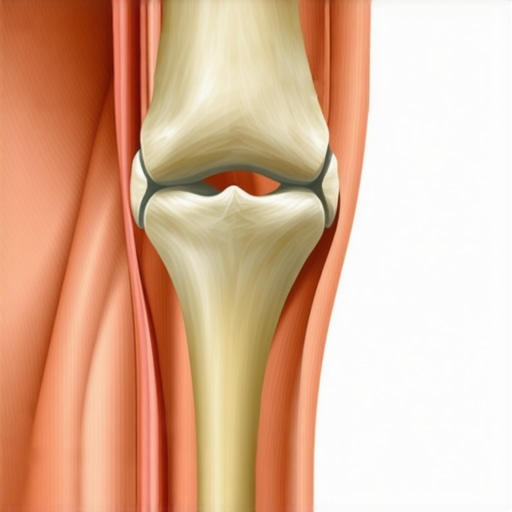
Ever been in the middle of a lunge, feeling confident, and suddenly your knee produces that distinctive click? That sound, initially dismissed as a minor nuisance, can become a nagging concern that messes with your workout—and your confidence. I remember the first time it happened to me; I was proud of my form until that tiny ‘pop’ echoed through my knee, leaving me puzzled and a bit worried. Like many, I brushed it off, thinking it was just a normal part of exercise, but soon enough, that click became more frequent, and my confidence waned.
That moment was my lightbulb. I realized I wasn’t alone—and that these mysterious knee clicks are surprisingly common. The good news? They’re often a signal from your body that something needs your attention. Today, I want to help you decode what your knee clicking might mean and, more importantly, how to address it. No more guessing games, no more ignoring discomfort—just practical steps rooted in real experience and expert insights.
Understanding Why Your Knee Clicks During Lunges Matters
When your knee clicks during a lunge, it’s easy to dismiss it as harmless. But in reality, that sound could be an early warning sign of underlying mobility or alignment issues. Many people, myself included, have made the mistake of ignoring these signs, assuming they’d go away with time or more stretching. But that’s a common misconception.
Research shows that joint noises like clicking or popping aren’t always a red flag—sometimes they’re normal. However, they can also indicate rough cartilage, misaligned tendons, or unstable joints. If left unaddressed, these issues could develop into more serious pain or injury, especially if you’re regularly stressing the joint during lunges or other workouts. So, understanding the root cause is crucial for your long-term mobility and health.
My own journey taught me that improving joint function begins with acknowledging these signs, not dismissing them. That’s why I now advocate for a holistic approach—combining mobility exercises, proper biomechanics, and expert chiropractic care. If you’ve been frustrated by that persistent knee click or worried it might lead to injury, rest assured, there are proven strategies to improve your joint health and restore confidence in your movement.
Is Knee Clicks Just a Myth or Worth Worrying About?
Honestly, I used to think that knee clicks were purely cosmetic or harmless. Early on, I dismissed my own clicking as “just a part of aging” when in fact, it was a sign my body needed help. That mistake delayed me from seeking effective solutions for too long. If you’re skeptical, I get it—sometimes it’s hard to know when a symptom warrants concern or action. But trust me; addressing these small signs early can save you a lot of discomfort down the line. To learn more about how to optimize your joint health and prevent pain, explore this comprehensive mobility guide.
So, if your knee clicking feels persistent, or if it’s accompanied by pain or instability, don’t ignore it. Instead, consider it a call from your body—an opportunity to improve, not something to accept as inevitable. Ready to discover the practical steps to stop the click and move pain-free? Let’s dive into the solutions that worked for me—and can work for you too.
Identify and Correct Your Posture During Lunges
One of the first things I did was examine how I was moving through lunges. I recorded myself and noticed my knee was collapsing inward, which put extra strain on the joint and caused clicking. To fix this, I focused on maintaining a tall, neutral spine and tracking my knee over my toes. This simple adjustment ensures proper alignment and reduces abnormal pressure. Repeating this during my workout made a visible difference, and over time, the clicking diminished.
Strengthen Supporting Muscles to Stabilize the Knee
Weak muscles around the knee, particularly the quadriceps, glutes, and hip stabilizers, can contribute to instability and clicking. I incorporated targeted exercises like clamshells, glute bridges, and wall sits. For example, doing three sets of 15 glute bridges daily improved my hip stability. Strengthening these muscles acts like scaffolding under your knee, preventing misalignment when you move. Consistent training in this area enhances joint support and reduces the risk of clicking or pain.
Implement Mobility Drills for Better Joint Function
Limited mobility in your hips or ankles can cause compensations that lead to knee clicks. I added mobility routines focusing on my hips and ankles—such as hip circles and ankle dorsiflexion stretches—to my warm-up. These drills work like lubrication for your joints, promoting smooth movement. For example, I performed ankle circles for two minutes before workouts, which freed up restricted movement and lessened joint noises. Regular mobility work addresses the root cause rather than just symptoms.
Integrate Chiropractic Adjustments into Your Routine
After addressing movement mechanics, I sought expert care. Chiropractic adjustments realign the joints and restore optimal biomechanics. I visited a chiropractor experienced in active patients, who performed gentle manipulations on my knees, hips, and spine. Think of adjustments as fine-tuning your body’s engine; they remove misalignments that cause uneven stress. After a few sessions, I noticed improved joint motion and a significant decrease in clicking. Schedule a consultation if you suspect misalignment is part of your issue, as it’s a proven step toward pain-free movement. To learn more about how adjustments can benefit you, explore this chiropractic resource.
Apply Proper Technique and Avoid Overloading
Even with good form and mobility, overdoing lunges or adding too much weight can reignite clicking. I recommend starting with bodyweight reps, focusing on control and slow movement. For example, I performed slow, deliberate lunges, counting to three on the descent, which heightened awareness of my joint position and prevented misalignment. When comfortable, gradually increase intensity. Think of this as tuning your engine carefully—don’t push too hard too soon to avoid setbacks. Proper technique reduces unnecessary joint stress and promotes sustainable progress.
Maintain Consistency and Monitor Your Progress
Finally, consistency is key. I kept a journal logging my routines, noting when clicking persisted or improved. This feedback loop helped me adjust exercises and recognize patterns. Over weeks, I observed better stability and less noise during lunges. Make a habit of tracking your movement and adjust accordingly. If issues persist despite these efforts, consider consulting a specialized practitioner for tailored advice and further assessment. Remember, small, focused steps accumulate into significant improvements, bringing you closer to painless, confident movement.
Many assume that aligning their posture or undergoing chiropractic adjustments is straightforward, but in reality, there’s a lot more nuance involved. For instance, common advice like “sit up straight” can be misleading if it neglects the importance of mobility and muscle balance. Most people get it wrong by focusing solely on static alignment, ignoring how joint and muscle flexibility influence posture over time. This oversight can lead to worsening issues despite regular chiropractic visits.
Are Corrective Techniques Overhyped or Misapplied?
In my experience, practitioners often prioritize quick fixes like adjustments without addressing underlying mobility restrictions or habitual movement patterns. Research by Dr. Stuart McGill emphasizes that mobility exercises are essential for sustainable correction, yet they’re frequently undervalued. 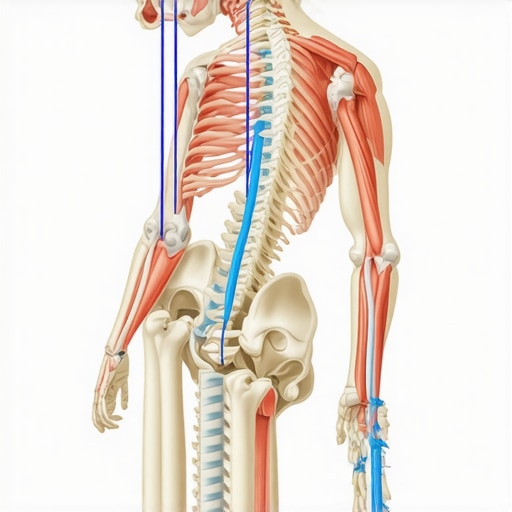
It’s a trap to believe that one adjustment or stretch is a cure-all. The real secret lies in understanding that posture correction is a holistic process, integrating mobility, strength, and habitual movement correction. Many overlook how poor movement patterns, like over-reliance on passive stretching, can actually exacerbate misalignments.
For example, solely stretching tight muscles without strengthening weak stabilizers can lead to reliance on adjustments to temporarily realign, with issues recurring quickly. An advanced mistake is neglecting the role of foot posture and core control, which are foundational to proper spinal alignment. To avoid these pitfalls, I recommend exploring comprehensive strategies outlined in this mobility guide.
Remember, effective correction involves addressing root causes—be it muscle imbalances, habitual movement habits, or joint restrictions—not just symptom masking. Have you ever fallen into this trap? Let me know in the comments.maintaining excellent posture and mobility over the long term requires the right tools and consistent practice. personally, i rely on specific equipment like a high-quality foam roller and resistance bands to address muscle tightness and strengthen supporting muscles. my favorite foam roller is the grid foam roller by trigger point because its textured surface and firmness help target deep tissue knots effectively. i use resistance bands such as the power systems resistance bands for targeted exercises like lateral walks and shoulder stabilization. these tools are portable, affordable, and highly effective for daily self-care. i also incorporate professional-grade mobility software like the mobility wad app, which guides me through daily mobility routines tailored to my needs—its customization features help track progress and prevent stagnation. technology like posture training sensors, for example, the Upright Go, has become invaluable; it provides real-time feedback on my neck and back posture, ensuring i stay aligned during work or daily activities. looking ahead, the integration of smart wearables and AI-driven movement analysis will revolutionize how we monitor and improve our posture continuously. to sustain these benefits, incorporate these tools into your daily routine, and commit to consistent use. if you’re serious about long-term maintenance, i recommend scheduling regular check-ins with a mobility specialist or chiropractor to fine-tune your program—see how they can complement your self-care practices. for more comprehensive strategies, explore this mobility guide. want to try an advanced tip? incorporate a daily 5-minute self-myofascial release with your foam roller focusing on your hips and lower back—this simple addition can dramatically improve your long-term posture and reduce discomfort. for personalized advice, don’t hesitate to reach out.
Overcoming those persistent knee clicks during lunges taught me that real change comes from embracing small, consistent habits. One of the most eye-opening lessons was understanding that joint health isn’t a one-time fix but a continuous process of attention and care. For instance, paying close attention to my hip and ankle mobility unlocked a new level of ease in my movement, reducing discomfort over time. Recognizing the value of supporting muscles made me realize that strength and stability are foundational, not optional, in achieving pain-free movement. Lastly, learning that proper technique and habitual correction create lasting improvements transformed my approach from reactive to proactive—making my journey not just about fixing a click but cultivating lifelong resilience.