

It hit me one afternoon, mid-gesture, while carrying my toddler around the living room. That familiar, dull ache in my mid-back? It wasn’t just muscle fatigue; it was a burning that would linger long after I put her down. At first, I ignored it, thinking it was just the usual tiredness—something a good stretch or painkiller would fix. But as days turned into weeks, that uncomfortable sensation deepened. I realized I was making a crucial mistake: I was holding her in a way that strained my spine, and I had no idea how much it was affecting my overall posture.
The Real Reason Your Back Hurts When Holding Your Toddler
Many parents don’t notice how they carry their little ones, but the truth is, positioning matters—a lot. When you cradle your child in your arms or support them on your hip, your spine is meant to handle that load correctly. But, if the way you’re holding them doesn’t align with your natural posture, you’re inviting mid-back discomfort, tension headaches, and even longer-term musculoskeletal issues.
What I learned early on is that my habit of leaning forward slightly, arching my back, and supporting her with one arm—without any awareness—was a recipe for pain. The muscles in my mid-back were doing extra work, trying to compensate for poor alignment. Over time, this tension built up, leading to that burning sensation I desperately wanted to eliminate.
And I’m not alone in this. Studies show that improper carrying techniques can lead to increased strain and pain, especially for parents whose daily routines revolve around such postures. One authoritative source notes that maintaining good ergonomic habits during lifting and holding can significantly reduce back discomfort [source: https://quackersneck.com/how-chiropractic-adjustments-enhance-posture-and-mobility].
Fortunately, I found some simple yet effective adjustments. If you’re tired of that persistent mid-back burn and want to enjoy carrying your child without pain, you’re in the right place. Today, I’ll walk you through the common mistakes, how to recognize them, and practical strategies to improve your posture while holding your little one.
But first, ask yourself: Have you noticed that sharp or dull pain creeping in after a day of cuddling and carrying? If so, keep reading. The fix is simpler than you might think—and it can make all the difference in your daily comfort and long-term health.
Align Your Body Properly Before Picking Up Your Toddler
Stand with your feet shoulder-width apart, engaging your core muscles. Think of your body as a tree; solid roots stabilize your trunk. Bend at your hips and knees, not your waist, to lower yourself. Keep your back straight, chest lifted, and shoulders relaxed. When I first tried this, I found myself wobbling a bit, but with practice, it became second nature, reducing my mid-back strain.
Distribute the Load Effectively
Use both arms to support your child evenly. Imagine holding a balanced tray—distribute the weight so neither side bears all the load. Placing your child close to your chest reduces leverage on your spine. I remember accidentally holding my daughter on just one side; my back complained loudly afterward. Switching to symmetrical support made a noticeable difference.
Engage Your Core Throughout
Keep your abdominal muscles slightly braced, like preparing for a gentle punch. This stabilizes your spine, preventing you from leaning forward or arching your back. During one messy morning, I forgot this cue and felt my mid-back tighten painfully. When I consciously contracted my core, the pain eased, confirming the importance of core engagement.
Maintain Proper Head and Neck Position
Keep your head aligned with your spine, looking straight ahead instead of down or craning forward. Think of a puppet on strings—your head is the puppet’s head, directly above your shoulders. I used to tilt my chin down unconsciously, causing neck tension. Adjusting to a neutral position alleviated that discomfort.
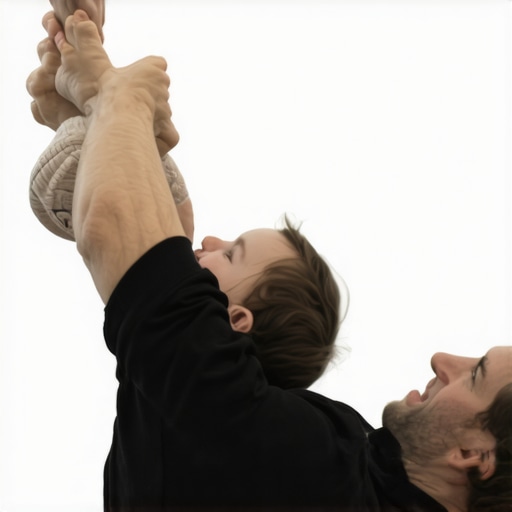
To ensure proper posture, it helps to regularly check your positioning, especially during prolonged carries. Incorporate mobility exercises to support this—consider techniques from mobility exercises recommended by chiropractors.
Incorporate Mobility and Strengthening Techniques
Daily mobility routines enhance joint flexibility and muscle balance, making it easier to hold your child comfortably. Simple stretches, like thoracic spine rotations and hip openers, can be integrated into your morning wake-up. For instance, I dedicate five minutes to hip flexor releases and shoulder mobility drills, which significantly reduce fatigue and tension.
Seek Professional Adjustments for Lasting Relief
If you notice persistent discomfort despite practicing good habits, professional chiropractic interventions might be necessary. Chiropractic adjustments can realign your spine and remove nerve interference, providing immediate relief and long-term benefits. I experienced relief after a session, which boosted my confidence in maintaining proper posture during daily caregiving tasks. Discover more about how chiropractic adjustments can help improve mobility and posture.
Remember, small, consistent changes in how you lift, support, and move can prevent pain and develop better posture over time. Stay mindful of your body mechanics every time you carry your child, and you’ll find yourself enjoying cuddles without discomfort.
When it comes to adjustments, posture, and mobility, many people cling to misconceptions that can hinder progress. A common myth is that a quick correction from a chiropractor will permanently fix long-standing issues. In reality, sustained improvements require consistent effort and understanding the complexity of the body’s biomechanics. For example, some believe that adjustments alone can realign the spine indefinitely, but studies indicate that without empowering daily habits—like mobility exercises and ergonomic tweaks—the benefits may be short-lived [source: https://quackersneck.com/how-a-stiff-mid-back-makes-your-neck-work-double-time]. Additionally, the idea that posture corrections are purely about pulling your shoulders back overlooks the interconnectedness of the entire musculoskeletal system. Fine-tuning one area without considering the holistic picture can lead to compensations and new pains.
Another advanced nuance many miss involves the role of mobility in maintaining posture stability. Mobility isn’t just about flexibility; it’s about active control of joints to prevent misalignments. Neglecting mobility work can cause muscular imbalances that easy adjustments won’t rectify in the long term. Incorporating targeted mobility routines, like thoracic spine rotation drills, can dramatically enhance posture resilience [see https://quackersneck.com/revolutionize-your-posture-with-targeted-mobility-exercises].
A common trap to avoid is overreliance on posture braces or external supports, believing they will solve underlying issues. While they can provide temporary relief, they often weaken your core muscles over time. True correction involves strengthening and neuromuscular training, not just external restrictions. Experts emphasize that active engagement, through exercises and professional guidance, produces durable results.
Furthermore, many people underestimate the subtle yet impactful role of daily habits—like footwear choices, sitting positions, or how you carry your toddler—in influencing your spinal health. Small alterations, such as aligning your bike seat or adjusting your workspace, compound over weeks into significant relief or deterioration. For deeper insights on these nuances, check out https://quackersneck.com/the-ultimate-guide-to-improving-mobility-and-posture-in-2025.
Have you ever fallen into this trap? Let me know in the comments. Remember, understanding these subtleties can elevate your approach far beyond generic advice, leading to lasting improvements in health and comfort.Maintaining optimal posture, mobility, and spinal health isn’t a one-time effort; it requires consistent reinforcement and the right tools. As a chiropractor who frequently works with parents and active individuals, I rely on specific equipment and methods to keep my body functioning at its best. First, a quality foam roller, like the TriggerPoint GRID, is essential for self-myofascial release, helping to release muscle tension in the upper back and hips. I use it daily to target tight areas and prevent knots that can compromise posture. For mobility, I incorporate resistance bands such as the TheraBand, which I utilize for controlled stretching and strengthening exercises that improve joint range of motion, especially in the thoracic spine, reducing stiffness from prolonged sitting or awkward carrying positions. Personally, I focus on bands with varying resistances to match the muscle groups I aim to condition, enhancing long-term resilience. To monitor my progress and ensure correct form during exercises, I trust motion-capture apps like the Ubersense app, which helps me analyze my movement patterns and correct asymmetries before they become chronic issues. Looking ahead, I predict wearable technology—such as smart posture belts—that provide real-time feedback will become mainstream, enabling individuals to maintain proper alignment during daily activities seamlessly. If you’re serious about maintaining your posture over time, I recommend integrating mobility drills using tools like the mobility stick or foam roller, complemented with mobility-specific routines from resources such as this guide to mobility exercises. For instance, incorporating thoracic spine rotations or hip openers into your daily routine can dramatically enhance your posture and reduce fatigue.
How do I maintain long-term improvements in posture and mobility without slipping back into old habits?
Consistency is key. Use these tools routinely, and pair them with periodic check-ins with a qualified chiropractor—considering adjustments or soft tissue work—to realign and refresh your body’s biomechanics. Remember, a proactive approach, including regular mobility work and professional guidance, will sustain your progress and keep discomfort at bay. If you’re interested in a personalized plan, reach out via this contact page. Keep moving, stay proactive, and enjoy lasting health benefits.Throughout my journey to improve my back health while caring for my toddler, I uncovered some surprising truths that go beyond conventional advice. One of the hardest lessons I learned was how tiny habits—like unconsciously tilting my head or neglecting core engagement—could negate even the best posture techniques. It became clear that addressing these subtle cues made the most significant difference in long-term relief. I also realized that real progress requires more than quick fixes; it demands consistent practice with the right tools, like mobility exercises and professional adjustments, woven into daily life. Lastly, I discovered that acknowledging my body’s signals and respecting its limits fostered a more mindful approach—transforming pain management into a sustainable, empowering process.