
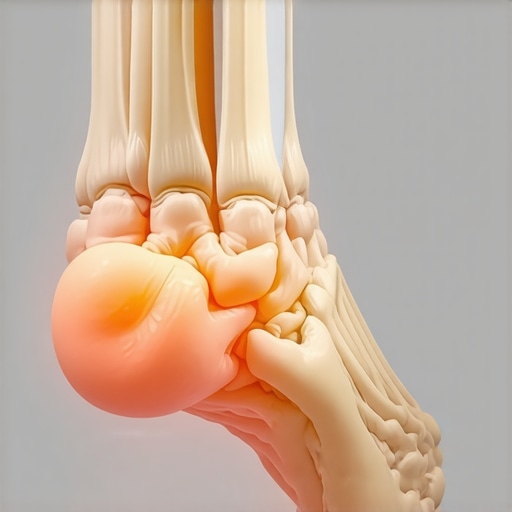
It was a morning like any other, but suddenly I felt a sharp twinge in my lower back as I stood up from the bed. I had just finished a few stretches and thought I was doing everything right. Yet, that familiar dull ache had returned, strange and relentless. It was in that moment I realized something unexpected: my big toe’s mobility was influencing my lower back more than I ever imagined. This eye-opening realization changed how I approached my posture and movement daily.
The Surprising Connection Between Your Toe Flexibility and Back Pain
Many people overlook how seemingly minor parts of our body can have a profound impact on our overall health. I used to believe that if my back was causing pain, it was solely due to my posture or a slipped disc. But through trial, error, and consulting experts, I discovered a vital piece of the puzzle: my big toe mobility. Restricted toe movement can alter how you walk, shift your weight, and even engage your core muscles — all of which directly influence your lower back.
Think about it this way: your toes are the foundation of your gait. If one toe is stiff or immobile, it throws off the entire chain of movement, leading to compensations higher up. Over time, these compensations can cause chronic stress and strain on your lower back. I found that by working on my toe mobility, my back pain diminished significantly. It’s a small adjustment with a surprisingly big payoff.
If you’ve been battling persistent lower back discomfort despite maintaining good posture, it might be time to look downward — literally. Improvements in mobility here can be a game-changer. Curious if your toe health is part of the problem? Let’s explore how to identify and fix this invisible culprit.
Is this mobility thing really that important?
Early in my journey, I made the mistake of ignoring simple issues like toe stiffness. I thought, “It’s just my back. Why would my toes matter?” Ignoring such basic mobility was a rookie mistake. According to recent studies, our body’s kinetic chain is interconnected—something I learned the hard way. Addressing the tiniest links, like the big toe, can prevent larger issues down the line.
Recognizing these hidden connections and acting on them can save you from ongoing discomfort and costly treatments. Ready to find out how to assess and improve your toe mobility? Stick around, because what I found could change your approach — and your life — more than you expect.
Start with Self-Assessment to Detect Stiffness
Lie on your back and lift your leg, then gently flex your big toe upwards while keeping the foot flat on the ground. Feel for any resistance or limited movement. Repeat with the other foot. If you notice stiffness, it’s time to work on mobilizing those toes effectively. I once spent a morning examining my toes during a break in my workday, and I discovered one was noticeably stiffer, which I hadn’t realized before. Addressing this quickly prevented further back discomfort.
Incorporate Toe Mobilization Exercises into Your Routine
Use a Towel or Resistance Band
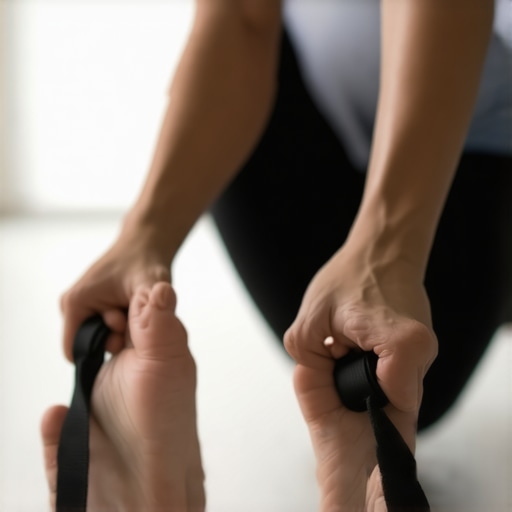
Sit on the floor with your leg extended. Loop a towel or resistance band around your big toe and gently pull toward you, flexing the toe. Hold for 15-30 seconds and repeat 3 times per foot. This acts like loosening a hinge — similar to oiling rusty door hinges to restore smooth movement. Over time, I found that consistent practice made my toes more flexible, which translated into less compensatory strain on my lower back.
Practice Toe Spreading and Squeezing
Place all your toes on the ground and then try to spread them apart as wide as possible, hold for a few seconds, then squeeze them tightly. Do this for 10 repetitions. Think of it as a workout for your toes, strengthening the muscles responsible for mobility. I admit, at first, I looked a bit silly trying to stretch my toes at my desk, but the immediate relief in my foot and lower back pain kept me motivated.
Make Daily Mobilization a Habit
Set aside 2-3 minutes each day to perform these exercises, ideally mornings or evenings. Consistency is key — much like tuning a guitar string repeatedly to keep it in pitch. Gradually, you’ll notice your toe’s range of motion improving, which helps distribute weight more evenly when walking or standing. Remember, this tiny change can prevent larger issues down the line, especially if you spend long hours at a desk. For more detailed mobility strategies, check out mobility boosts for posture.
Adjust Your Footwear to Support Flexibility
Wearing shoes with narrow toe boxes or stiff soles can restrict toe movement, exacerbating stiffness. Opt for footwear that gives your toes room to move freely, similar to barefoot shoes. I experimented with switching my work shoes to minimalistic footwear for part of the day, and the mobility gains were noticeable. This change supports your efforts and prevents re-stiffening over time. Want personalized advice? Consider consulting a chiropractor experienced in mobility optimization. You can reach out via contact us for tailored guidance.
 Many enthusiasts believe that a quick chiropractic adjustment can fix longstanding posture issues, but this oversimplifies the complex interplay of mobility, neuromuscular habits, and structural alignment. While adjustments are valuable, relying solely on them without addressing underlying movement patterns often leads to temporary relief rather than lasting change. In my experience, the real challenge lies in understanding that ‘fixing’ is an ongoing process involving nuanced habits and targeted mobility work.
A prevalent myth is that posture corrections are solely about holding certain positions or wearing braces, but studies, such as those from the Journal of Bodywork and Movement Therapies, show that improving mobility and motor control yields more sustainable results than static postural fixes. Overemphasizing adjustments without active movement retraining risks creating dependency on treatments, and this can delay true progress.
Beware of the trap where patients seek quick fixes through frequent chiropractic visits, hoping for a magic reset. This approach neglects the importance of proactive daily mobility practices. Incorporating specific mobility exercises, like those detailed in our mobility strategies, empowers you to maintain results independently.
From an advanced perspective, one misconception I often see is the belief that ‘more adjustments mean better outcomes.’ In reality, excessive adjustments can desensitize the nervous system, diminishing proprioception and mobility over time. According to Dr. Stuart McGill, optimizing movement variability and strength is crucial to long-term spinal health, not just periodic adjustments.
What is the role of neural adaptation in postural correction, and how can it be optimized?
Neural plasticity plays a significant role here. Repeated corrective movements and mobility drills facilitate neural rerouting, leading to sustained postural improvements. Engaging in repetitive, well-designed mobility routines ensures the nervous system ‘re-learns’ ideal movement patterns. Don’t forget that consistent, mindful practice is key—something easily overlooked when chasing quick fixes.
Avoid the mistake of neglecting the interconnectedness of the entire kinetic chain. For example, restricting toe mobility can cascade into compensation patterns up the chain, affecting posture and leading to discomfort. To truly advance your practice, focus on comprehensive assessments that include mobility, neuromuscular control, and structural alignment. For tailored guidance, consider reaching out via our contact page.
Remember, sustainable improvement doesn’t come from temporary alignments but from understanding and addressing the subtle, nuanced factors that influence movement. Have you ever fallen into this trap? Let me know in the comments and share your experiences.Maintaining your progress in posture and mobility requires more than just sporadic exercises; it hinges on the right tools, consistent routines, and understanding long-term strategies. One of my personal favorites is a quality foam roller, specifically the TriggerPoint GRID Foam Roller. I’ve found this to be invaluable for releasing fascial restrictions after mobility drills, particularly in the hips and lower back, which are critical areas for posture stability. Using a foam roller regularly helps sustain tissue elasticity and encourages a more receptive neuromuscular connection, making subsequent adjustments more effective. Additionally, I highly recommend incorporating resistance bands like the TheraBand Resistance Bands for targeted mobility work. These bands offer adjustable resistance, allowing for progressive overload in joint mobilizations, which I use daily to maintain shoulder and hip mobility. The act of contracting and stretching against resistance not only preserves gains but also boosts proprioception, which is essential for sustaining correct movement patterns. Looking ahead, the trend is shifting towards integrating smart technology, with apps like Upright GO providing biofeedback during exercises, helping users optimize their form in real-time. This kind of biofeedback can significantly accelerate progress by ensuring correct activation patterns and reducing compensatory movements.
To keep your mobility and posture improvements lasting, consistency is key. Implementing daily routines — even five-minute sessions with resistance bands and foam rolling — creates neural pathways that solidify healthy movement habits. I suggest setting a fixed time each day, such as during a lunch break or just before bed, to make these tools part of your lifestyle. Over time, these practices become second nature, acting as preventative measures against regressions.
How do I keep this work sustainable? The answer lies in regular assessment and adaptation. For example, periodically re-evaluate your range of motion with self-tests or by consulting with a mobility expert. Incorporate new exercises as needed to address emerging tightness or weaknesses, and consider keeping a mobility journal to track progress. Furthermore, integrating chiropractic check-ins can be beneficial to verify structural alignment and address any compensatory habits that may have crept in. For personalized recommendations and ongoing support, don’t hesitate to reach out via our contact page. Remember, the goal isn’t just one-off improvement but a lifelong commitment to movement health that evolves along with your body.
Investing in quality tools like foam rollers and resistance bands pays dividends over the long run, especially when paired with consistent habits and periodic assessments. As technology advances, expect smarter, more intuitive devices to become the norm, offering even more precise feedback to keep you moving optimally. So why not start today? Pick up that foam roller, introduce daily mobility routines, and feel the difference in your posture for years to come. For a comprehensive approach, consider exploring our article on chiropractic care as your posture secret weapon.
Looking back, I realized the most profound progress in my posture and back health came not from complex adjustments, but from understanding the humble big toe’s critical role. It’s astonishing how a small part of our body like the toes can hold keys to lasting change—reminding us that sometimes, the tiniest details drive the biggest results. Dismantling my misconceptions, I learned that mobility isn’t just about big muscles but also about the subtle joints that create a foundation for better movement and longer-lasting posture.
By incorporating focused toe mobilization exercises, I discovered a ripple effect through my entire kinetic chain, culminating in more stable, pain-free days. This insight fostered patience, teaching me that sustainable progress often stems from consistent micro-adjustments rather than quick fixes. Sharing this journey underscores a fundamental truth: paying attention to the overlooked can unlock remarkable health transformations.
If you’re committed to improving your posture and reducing discomfort, start with small but deliberate steps—assess your toe mobility, integrate simple exercises, and choose footwear that supports your body’s natural movements. Over time, these habits cultivate resilience, empowering your body to adapt and thrive beyond temporary relief.
Insider Wisdom: Lessons That Changed My Approach to Posture and Mobility
- Small joints matter more than I realized: Focusing solely on the back or hips misses critical links; mobility in the toes can be the missing piece in long-term pain relief.
- Consistency beats intensity: Daily short routines outperform sporadic intense sessions, building neural pathways and muscle memory.
- Over-reliance on adjustments can hinder progress: Adjustments are helpful, but active movement and mobility work sustain benefits longer than static corrections alone.
- Understanding movement patterns transforms outcomes: Learning how tiny restrictions cascade through movement guides more effective self-care and professional interventions.
- The power of curiosity and patience: Listening to your body and allowing gradual improvements fuels motivation and resilience in your mobility journey.
My Go-To Tools for Lasting Posture Gains
- TriggerPoint GRID Foam Roller: Essential for releasing fascial restrictions, especially after mobility exercises—keeps tissues elastic and movement effortless.
- TheraBand Resistance Bands: Versatile for progressive joint mobilizations and strengthening, helping solidify gains and improve proprioception.
- Upright GO Biofeedback Device: A smart tool to ensure proper posture during exercises and daily activities, accelerating mastery through real-time correction.
- Minimalist Footwear: Shoes with wide toe boxes mimic barefoot benefits, supporting natural toe movement and foot health.
Take Action and Feel the Difference
The journey toward better posture begins with recognizing often overlooked links—like your big toe—and dedicating time to small, consistent changes. With patience, curiosity, and the right tools, you can cultivate a body that supports you effortlessly and healthfully for years to come. Remember, movement optimization isn’t a one-time fix but a continuous story of discovery and growth.
What small mobility tweak has made a surprising difference in your posture or back health? Share your experiences below—I love hearing how these subtle shifts can lead to meaningful change!