
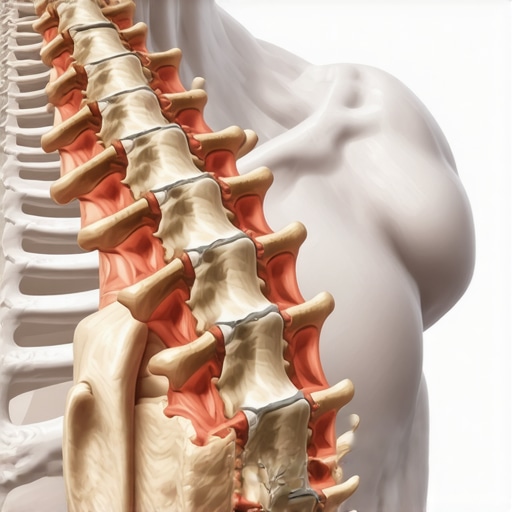
It happened again. That familiar, fleeting rush of relief after I cracked my own back in the mirror. At first, it felt like a small victory—a quick fix to that nagging stiffness. But later that day, I started to notice something unsettling. My joints felt more unstable than before, and that familiar discomfort was slowly creeping back. Maybe you’ve been in the same boat—popping your own back, thinking you’re helping yourself, only to realize it’s causing more harm than good.
What’s Really Going on When You Crack Your Own Back?
I used to believe that cracking my back was a harmless habit, a bit of self-care. But I learned the hard way that repeated self-manipulation can actually weaken the joints over time. Your joints are designed for movement, but they also rely on proper mechanics and stability. When you crack your own back, especially if done improperly, you’re encouraging your body to rely on quick movements rather than proper function. This can lead to increased joint instability, making the problem worse in the long run.
And here’s a little-known fact: research suggests that habitual self-manipulation might desensitize your nervous system to normal joint positioning, leading to a cycle of dependence on popping to feel normal (source: [The Link Between Mobility and Posture—a Chiropractor’s Guide](https://quackersneck.com/the-link-between-mobility-and-posture-a-chiropractors-guide)). It’s like trying to fix a leaky pipe by hitting it with a hammer instead of calling a plumber.
I made a mistake early on, assuming that the more I cracked, the better I’d feel—and I paid the price. Each pop seemed to provide temporary relief, but gradually, my joints became less stable, and my posture suffered. That’s when I realized I needed a different approach: one rooted in restoring proper mobility and strength.
If you’ve been relying on quick fixes like cracking your back, this post is for you. We’ll explore practical strategies to improve your joint health and stability without risking further damage. Ready to stop the cycle? Let’s dive into what actually works to support your body’s natural healing process.
Start with Gentle Mobility Exercises
Begin by incorporating controlled mobility routines that target your spine and surrounding muscles. A simple daily practice involves thoracic rotation and cat-cow stretches, which help lubricate your joints and improve range of motion without forcefully popping. I remember a morning I committed to just five minutes of these moves—initially awkward, but over a week, I noticed a decrease in the impulse to crack, feeling more in tune with my body’s natural signals.
Focus on Strengthening Your Core and Postural Muscles
Weak muscles around your spine can lead to instability, prompting your body to seek quick relief through cracking. Engage in targeted exercises like planks, bird-dogs, or side-lying leg lifts to build support. I added brief core sessions after work; the stability I gained reduced my need to self-manipulate and improved overall posture, which I detailed in this posture mobility guide.
Learn Proper Alignment and Posture Habits
Practicing awareness of your sitting and standing positions prevents misalignments that contribute to discomfort. Use reminders—like adjusting your workspace height or setting timers to correct slouching—to foster better habits. During an afternoon at my desk, I noticed slumping; I straightened up intentionally, which helped my joints stay more stable and decreased the urge to crack. Visual cues like reflective surfaces or ergonomic assessments can reinforce correct posture, recommended here for further reading.
Implement Targeted Mobility Drills for Daily Use
Consistent, specific movements can unlock tight areas naturally. Exercises like the doorway chest stretch for thoracic mobility or hip openers involving simple lunges improve flexibility and reduce compensatory strains. I found that performing these routines each morning, especially after waking, helped me maintain better posture throughout the day and diminished my dependence on cracking. Discover effective mobility strategies in this article here.
Practice Breathing and Relaxation Techniques
Stress and tight muscles are often intertwined. Deep diaphragmatic breathing relaxes muscles and nervous tension, reducing the body’s impulse to seek quick fixes like cracking. During a stressful period at work, I adopted a 2-minute breathing routine; my muscle tension eased, and I experienced fewer urges to manipulate my spine. For more effective relaxation methods, see this guide.
Seek Professional Guidance When Needed
If persistent discomfort or instability remains, consulting a chiropractor for tailored adjustments can re-establish proper joint function. Proper adjustments complement mobility and strengthening efforts, preventing reliance on harmful self-manipulation. I had a session that significantly improved my posture and joint stability, reinforcing that professional input is invaluable. Learn more about safe chiropractic care at this resource.
Many believe that chiropractic adjustments alone can permanently fix posture and mobility issues, but this oversimplifies a complex interplay of factors. The misconception that a quick adjustment is a magic bullet often leads people to neglect essential lifestyle changes. For instance, relying solely on adjustments without addressing underlying habits, like prolonged sitting or improper ergonomics, is a surefire way to see only temporary relief and potential setbacks.
A common myth is that spinal manipulations can alter long-term alignment without supporting movement or strength training. In reality, research shows that consistent mobility exercises and strengthening routines are vital for sustainable improvements (source: [The Link Between Mobility and Posture—a Chiropractor’s Guide](https://quackersneck.com/the-link-between-mobility-and-posture-a-chiropractors-guide)). Professionals who focus only on adjustments may overlook the importance of educating clients on neuromuscular control, muscles’ role in maintaining alignment, and habitual behaviors.
Beware of the trap of patient reliance on passive treatments. Many think that visiting a chiropractor or therapist means they don’t need to engage actively in their recovery. However, without active participation—like targeted mobility drills and posture awareness—the benefits can diminish quickly. It’s analogous to expecting a cast to heal a broken bone without any necessary rehab afterward.
For advanced practitioners, understanding the nuances of joint mechanics is crucial. For example, locked or hypo-mobile facets require specific mobilization techniques to restore full range—not just generic adjustments. Learning to differentiate when to use mobilization versus manipulation, and understanding their effects on the nervous system, can dramatically enhance outcomes.
A significant oversight is neglecting the role of soft tissues. Tight muscles and fascia often block optimal joint movement, yet many focus only on joint manipulations. Incorporating myofascial release or stretching strategies enhances mobility and supports adjustments.
Don’t fall into the trap of quick fixes. Long-term health depends on a comprehensive approach that includes proper movement, strengthening, ergonomic habits, and professional guidance tailored to individual needs. This holistic perspective fosters true stability and resilience.
Have you ever fallen into this trap? Let me know in the comments, and share your experiences or questions about integrating active mobility into your routine.Maintaining good posture and mobility requires dedicated effort and the right equipment. One of my favorite tools is the foam roller, which I use regularly to relieve tension in my upper back and hips. I prefer a firm, textured roller because it provides deep tissue massage while being gentle enough to avoid bruising. Incorporating targeted mobility devices like the hip abduction strap or resistance bands helps me sustain flexibility and strength beyond the clinic. These tools allow for controlled stretching and activation, which are crucial for preventing regressions. Personally, I incorporate digital tracking using mobility apps like ‘MobilityWOD,’ which help me monitor progress and adjust routines accordingly. Tracking my improvements has been motivating and ensures consistency over time. Looking ahead, I predict that wearable technology, such as smart posture Correctors or sensor-based movement trackers, will become standard aids in long-term mobility management, offering real-time feedback and personalized guides.
How do I maintain posture and mobility over time?
Consistency is key. Regularly scheduling mobility routines with devices that suit your body’s needs—as exemplified by my use of foam rollers and resistance bands—can create lasting habits. Additionally, integrating quick check-ins with ergonomic assessments, like reviewing desk setup or car seat positioning, consolidates these habits into daily life. For ongoing support, subscribing to online programs such as ‘The Link Between Mobility and Posture—a Chiropractor’s Guide’ offers expert insights and structured plans to keep your progress on track. Remember, progress is cumulative, and patience is essential. Keep experimenting with tools that resonate with your routine, and don’t hesitate to consult professionals for personalized advice.
The Hardest Lesson I Learned About Posture and Mobility
Trying to fix my posture with quick fixes like cracking my back only led to more instability and discomfort over time. I realized that genuine progress requires active effort—focusing on mobility, strengthening, and understanding my body’s signals.
The Myth That Kept Me Stuck in a Pain Cycle
I believed that frequent chiropractic adjustments alone could solve my issues. It wasn’t until I combined these with daily mobility drills and ergonomic habits that I experienced true improvements, breaking free from dependency on passive treatments.
Why Listening to Your Body Is Your Best Guide
Initially, I ignored subtle signs of strain, pushing through stiffness and pain. Learning to tune into my body’s messages and responding proactively—like incorporating targeted stretches—made a huge difference in maintaining stability.
My Go-To Tools for Supporting Lasting Change
Tools like foam rollers and resistance bands became my allies, enabling me to maintain flexibility and strength daily. Personally, I trust resources such as the Targeted Mobility Exercises guide for proven routines that complement professional care.
You Can Take Control of Your Posture Journey Today
Remember, lasting change doesn’t happen overnight. By combining expert guidance with consistent, active habits, you empower yourself to enjoy a healthier, more stable posture long-term. Are you ready to commit to your mobility and posture goals? Share your thoughts or questions below!