

I remember the exact moment I realized that all my stretching efforts might have been missing the point. I was lying on a yoga mat, hamstring stretched to the brink, desperate for relief from that nagging lower back tightness. Despite months of daily stretches, the discomfort hung around like an unwelcome guest. It was frustrating—so I started questioning everything I thought I knew about fixing a tight lower back.
The Real Reason Behind That Persistent Lower Back Tightness
For years, I believed that loosening up my hamstrings would release the tension in my lower back. After all, they’re so close—tight hamstrings pulling on the pelvis and spine, right? Well, it turns out the story isn’t that simple. I learned that focusing solely on hamstring flexibility often overlooks the bigger picture—the mobility of your hips, pelvis, and lower spine. Fixating on stretching can sometimes waste your time and, worse, reinforce a cycle of frustration.
What I wish I knew earlier is that persistent tightness isn’t just about muscle length—it’s also about how your joints move and how your nervous system handles tension. Recent studies indicate that targeted mobility work and joint adjustments frequently outperform stretching alone in reducing lower back discomfort according to chiropractic research.
What often trips people up is the assumption that muscle lengthening is the key. As I discovered through my own experience, it’s more about how your hips and pelvis move freely—without restriction—that makes a real difference. If you’ve been stretching endlessly yet still feel stiff, you might be falling into the same trap I did.
What We’ll Cover Today
In this post, I’ll share practical strategies to go beyond hamstring stretches. You’ll learn how mobility exercises, adjustments, and posture habits can actually release the tension in your lower back—without the frustration of endless stretching. We’ll debunk common myths and look at techniques that have helped me and many others transform tightness into freedom of movement.
Is Stretching Your Hamstrings Still the Best Fix? The Skeptic’s Question
Early in my journey, I made the mistake of assuming that more stretching would solve all my issues—that was a rookie error I’ve since corrected. And honestly, it’s a mistake I see many my clients repeat—hoping that the next stretch, the next yoga pose, will finally bring relief. If you’re skeptical, you’re not alone. Many believe that deep stretches are the answer, but in reality, they’re often just a part of the puzzle.
In the upcoming sections, I’ll introduce you to strategies that have proven more effective—techniques that target the root of movement restrictions and nerve tension. These approaches truly make a difference, and I can’t wait to share them with you.
Start with Gentle Joint Mobilizations
Replace static stretching with dynamic joint movements. For example, lie on your back and gently rock your pelvis side to side, aiming to mobilize the sacroiliac joints. This simulates the kind of gentle adjustments chiropractors perform, helping improve your hips and pelvis mobility here. During one messy morning, I tried this routine, feeling awkward at first, but soon experienced a noticeable loosening in my lower back, proving its effectiveness.
Implement Targeted Hip Mobility Drills
Focus on freeing up your hips by doing precise drills like hip circles or leg swings. In my case, I incorporated hip rotations before my usual routine, and within days, my back discomfort lessened. These exercises address restrictions that often cause compensations and nerve tension, which stretching alone can’t resolve more details.
Adjust Posture and Movement Habits
Be mindful of how you sit and move throughout the day. Small changes like avoiding crossing your legs or leaning forward excessively can make a big difference. I started setting reminders to sit upright and take micro-adjustments, which cumulatively eased my lower back strain. This proactive approach prevents habits that reinforce stiffness and promotes better neural and joint function here.
Introduce Gentle Self-Adjustments
Learn safe methods to perform light self-manipulation, such as pelvis tilts or cat-cow stretches. These mimic chiropractic adjustments and can help break up joint restrictions. I used a foam roller under my lumbar region lightly, but I avoided overdoing it, as excessive pressure can worsen nerve irritation. Combining gentle movements with other mobility drills enhances recovery here.
Maintain Consistency and Progressively Challenge Your Range
Daily practice is key. Start with these simple mobility routines and gradually add more challenging moves over time. What worked best for me was tracking my weekly progress and celebrating small victories, like increased hip rotation or pain reduction. Remember, the goal is to restore natural movement patterns, not just stretch muscles. This integrated approach leads to more sustainable relief and improved posture here.
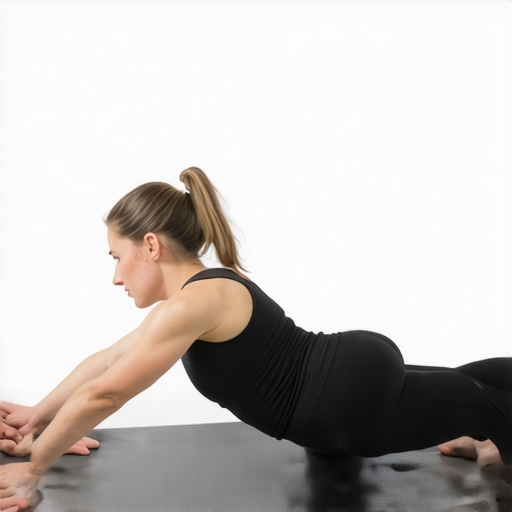 Many people hold entrenched beliefs about posture, chiropractic adjustments, and mobility that, upon closer examination, are more myth than fact. A common misconception is the overreliance on chiropractic pop techniques like spinal cracking as a long-term fix. While adjustments can temporarily alleviate discomfort, evidence suggests they often provide only short-term relief without addressing underlying movement restrictions or neuromuscular patterns here. Focused mobility work, especially targeting joint function and neurological tension, tends to yield more sustainable improvements, as highlighted by recent research in physiotherapy journals.
Keep Your Gains in Shape with the Right Tools
Consistency is the secret to long-lasting posture improvements. To ensure your efforts don’t falter, investing in specific tools can make a significant difference. I personally rely on a high-quality foam roller for my daily mobility routines. Unlike generic rollers, I prefer one with a dense, textured surface, which provides targeted release of fascia tightness around my hips and lower back. This tool helps me maintain joint flexibility and prevents old habits from creeping back in. Research indicates that self-myofascial release with the right equipment can sustain mobility gains longer than stretching alone.
An adjustable resistance band is another staple in my toolkit. It’s perfect for strengthening the stabilizer muscles around my pelvis and shoulders, which are crucial for maintaining good posture over time. I use it during targeted exercises like hip abductions and shoulder rotations, ensuring drills remain challenging yet safe. The versatility of resistance bands allows me to easily adapt routines as my mobility improves, and they’re portable enough to take on trips, ensuring I don’t lose momentum.
Predicting the Evolution of Posture Support Tools
Looking ahead, I anticipate smarter, more integrated devices will emerge — possibly AI-powered wearable sensors that track your posture in real-time and provide personalized feedback. These innovations could automatically recommend adjustments or alert you to poor habits, making maintenance effortless and highly effective.
How do I stay at my best over time?
Beyond tools, establishing a sustainable routine is key. I schedule daily mobility mini-sessions focusing on problem areas for about five minutes, which keeps stiffness at bay. Incorporating movement into daily tasks, such as standing periodically during desk work or doing quick hip rotations before walking, creates a proactive approach. Regular chiropractic check-ins also help me fine-tune my alignment and address subtle restrictions before they become painful. For more detailed strategies, check out this guide.
One advanced tip I recommend trying now is to integrate a quick self-adjustment routine with your mobility exercises. Gentle pelvis tilts combined with resistance band drills can dramatically reinforce your progress. Consistently applying these techniques will help you preserve your improved posture long term, even amidst the chaos of daily life.
Add a Personal Edge to Your Maintenance
Remember, the goal is to make these practices a seamless part of your routine. Use tools not just as quick fixes but as investments in your long-term health. Stay disciplined, vary your techniques, and don’t shy away from seeking professional guidance when needed. Combining reliable equipment with proactive habits ensures your posture remains resilient, letting you move freely and comfortably for years to come.
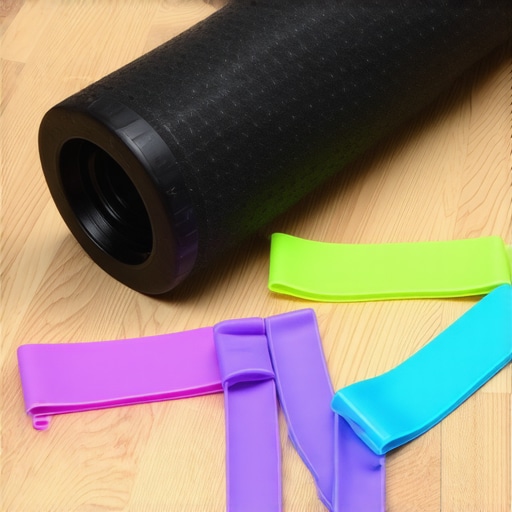
Concise, textured foam roller for fascia release and mobility maintenance.
Lessons That Changed My Perspective on Posture and Mobility
One of the most profound lessons I learned was that forcing muscles to stretch endlessly can sometimes reinforce stiffness rather than release it. I once believed in stretching as the primary solution; now I see it as just one piece of a much larger puzzle involving joint health and nervous system regulation.
A lightbulb moment was realizing how much habits and subconscious movement patterns contribute to persistent tightness. Simple daily tweaks—like mindful sitting or gentle self-adjustments—can have ripple effects that drastically improve mobility over time.
Another insight was understanding that age or stiffness isn’t permanent. My journey proved that consistent, targeted mobility work can turn back the clock on joint restrictions, empowering me to move freely well into my later years.
My Favorite Tools for Lasting Posture Fixes
Investing in quality tools has been a game-changer. The textured foam roller I rely on helps me target fascia and keep my hips mobile—something I trust because it works consistently. For strengthening and stability, resistance bands are invaluable; they allow me to challenge my muscles safely and progressively.
Books like “Improve Your Posture with Practical Mobility Strategies” have offered me actionable insights grounded in science, making my journey more effective. Finally, professional guidance from trusted chiropractors has kept me on track, ensuring I address root causes rather than just symptoms.
Your Movement Journey Starts Now
If you’re tired of endless stretching without real change, remember that breakthrough often comes from a holistic approach combining mobility, posture awareness, and smart tool use. Small, consistent steps have the power to transform your back health and overall freedom of movement. You’re capable of more than you think—embrace these insights and take control of your posture.
What’s one daily habit you’re willing to tweak today to improve your lower back comfort? Share your thoughts below—I’d love to hear your plan!
Comments are closed.