
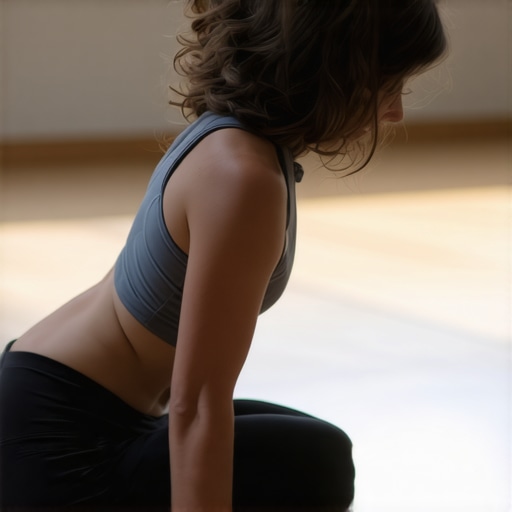
I remember the moment clearly—a peaceful yoga session turned into an unexpected nightmare. I was mid-pose, feeling proud of my progress, when a sharp, nagging pain shot through my lower back and hips. It was like my body had betrayed me, after all the stretching and breathing exercises I thought would help. That lightbulb moment made me realize something crucial: sometimes, what we think is helping our SI joint pain actually makes it worse.
Why Your Practice Might Be Sabotaging Your SI Joint Stability
Many people, including myself at first, believe that gentle stretching and yoga can be the perfect remedy for SI joint issues. But the reality is more complicated. Certain stretches or postures can inadvertently strain or destabilize the sacroiliac joint if done without proper guidance or awareness of your body’s specific needs. For example, overemphasizing hip-opening poses without strengthening the surrounding muscles can lead to increased instability.
Early in my journey, I made the mistake of focusing solely on flexibility—thinking that loosening tight muscles was the answer. Instead, I overlooked the importance of building strength and stability around the joint. That oversight led to more pain and frustration. It wasn’t until I started paying attention to how my body responded—learning which movements helped and which worsened my symptoms—that I began to see real progress.
This experience taught me that yoga isn’t a one-size-fits-all solution, especially concerning SI joint health. That’s why I want to share with you a balanced approach that combines mobility with stability, tailored to your body’s unique needs. Incorporating targeted mobility exercises can greatly improve your posture and joint health, as explained in this detailed guide on [mobility boosts for posture improvement](https://quackersneck.com/mobility-boosts-for-posture-expert-tips-for-daily-adjustments). Remember, understanding the link between mobility and stability is key to preventing worsening pain.
Identify Restrictive Movements and Patterns
Start by observing which daily movements cause discomfort or tightness. For example, I noticed that barista squats and prolonged sitting worsened my SI pain. Spend a few days noting activities that increase or decrease your symptoms. Recognizing these patterns helps you tailor your mobility routine effectively, preventing exacerbation of the issue.
Incorporate Dynamic Hip Openers Carefully
Think of your hips like a door hinge; if it’s stiff, movement becomes painful and uneven. Gentle, controlled hip openers like targeted mobility exercises can relax tight muscles. I personally started with seated butterfly stretches, gradually progressing to leg swings, ensuring I kept the movement slow and controlled. Avoid forcing deeper stretches too soon, as this can destabilize the joint further.
Practice Controlled Spinal Twists
Gentle spinal twists like the seated knee-to-opposite-shoulder stretch can decompress the SI joint. Imagine your spine as a tense rubber band; twisting gently releases built-up tension. I used to rush through these, but focusing on slow, deliberate movements helped me sense when I was overstretching. Incorporate this into your routine daily, especially after sitting for long periods.
Enhance Core Stability for Better Support
Your core acts like the backbone of a tent—if weak, the entire structure becomes unstable. A strong core reduces undue load on your SI joint. I combined planks and gentle pelvic tilts, making sure not to overuse lumbar lumbar flexion, which I learned can worsen discomfort from articles like practical chiropractor strategies. Consistency was key here; even 5-minute daily sessions made a noticeable difference over weeks.
Mobility Tools and Self-Adjustment Techniques
Tools like foam rollers or massage balls can target muscular tightness contributing to SI instability. I used a tennis ball to loosen glute muscles, akin to pressing a reset button. Combine this with self-adjustment techniques from chiropractic adjustments to improve joint alignment. Always be gentle; forcing adjustments can lead to more pain or misalignment.
Develop a Routine and Monitor Progress
Establish a daily plan with these mobility exercises, gradually increasing duration and intensity based on your comfort. Use a journal to note how your SI joint responds to specific movements. Remember, just like tuning a instrument, small, consistent adjustments produce the best harmony. My own progress was messy at first—some days I overdid it, but over time, my pelvis stabilized and pain decreased.
Many enthusiasts and even practitioners operate under the assumption that more flexibility and frequent adjustments automatically lead to better postural health. However, this oversimplification ignores critical nuances that can hinder recovery or even cause harm. For example, a prevalent myth is that frequent cracking or popping sounds during adjustments indicate successful realignment. In reality, these noises are often just gas release and don’t reflect effective correction or long-term results. Overemphasizing quick fixes can divert attention from the essential, often overlooked, necessity of muscle balance and neurological control, which are baseline factors for sustainable posture improvement. Furthermore, many believe that chiropractic manipulations are a standalone solution; but without integrating tailored mobility exercises and mindful movement patterns, the benefits are typically temporary. Advanced practitioners know that proper assessments, including kinetic chain analysis, help identify underlying faulty movement patterns rather than just symptomatic misalignments. Studies, such as those published in the Journal of Orthopaedic & Sports Physical Therapy, highlight that combining manual therapy with targeted mobility and stabilization exercises yields significantly better outcomes than relying solely on adjustments. Be cautious of the trap where adjustment becomes an end in itself, neglecting the importance of proactive, movement-based strategies that empower you to maintain posture and mobility independently. To deepen your understanding of effective mobility integration, explore resources like [mobility boosts for posture improvement](https://quackersneck.com/mobility-boosts-for-posture-expert-tips-for-daily-adjustments), which emphasize comprehensive, evidence-based approaches. Remember, real progress demands a nuanced, individualized plan that combines adjustments with active mobility training. Have you ever fallen into this trap? Let me know in the comments or visit us to craft a personalized strategy that ensures lasting results.Maintaining the improvements in your posture and mobility requires strategic use of specific tools and consistent habits. I’ve personally found that investing in quality equipment and adopting daily routines significantly prolong the benefits of my posture work. For example, a high-density foam roller has been indispensable for releasing deep muscular tension, especially in my glutes and lower back. Its firm surface allows me to target tight spots that seem to resist stretching, ensuring my muscles stay supple and supportive of a healthy alignment.
Another tool I rely on heavily is the massage ball, which I use to pinpoint stubborn knots in areas like the piriformis or around the sacroiliac joint. Unlike larger rollers, the massage ball provides precise pressure that helps prevent muscle adhesions from re-forming, maintaining stability around my pelvis. I incorporate daily sessions with these tools, often after workouts or long sitting periods, to keep my tissues pliable and responsive.
In addition to physical tools, leveraging technology has become a game-changer. I use a posture correction app that provides real-time feedback, encouraging me to maintain awareness of my spinal alignment throughout the day. This habit prevents regressions into poor postural patterns and keeps my core engaged. Consistent monitoring with such apps can uncover subtle misalignments before they develop into chronic issues, as highlighted in research from the Journal of Orthopaedic & Sports Physical Therapy, emphasizing the importance of ongoing assessment for posture sustainability.
How do I maintain my mobility and posture improvements over time?
Regularly revisiting foundational mobility routines, like the ones detailed in this guide, ensures that muscles stay balanced and joints stay functional. It’s also vital to incorporate self-assessment techniques, like checking your spinal alignment weekly through simple at-home tests, to catch early signs of imbalance. Looking ahead, I predict that wearable tech with biofeedback capabilities will become more sophisticated, making real-time posture correction seamless and personalized, further empowering us to sustain long-term health without costly therapies.
To take your maintenance a step further, try integrating a brief daily self-mobilization routine using a resistance band. Band-assisted hip mobilizations can restore dynamic flexibility and reinforce neuromuscular control—both crucial for preventing relapse. Even just five minutes a day can make a noticeable difference in your movement quality, stability, and overall comfort. The key is consistency, and these tools and habits can help you keep your posture healthy for years to come. Interested in a tailored routine? Reach out through our contact page and let’s craft a plan that works for your lifestyle.
Reflecting on my journey with mobility and posture correction, I realize that the true transformation came from embracing nuanced, personalized strategies rather than chasing quick fixes. One of the most valuable lessons was understanding that real progress often involves unlearning common misconceptions—like the idea that frequent adjustments alone can solve everything. Instead, integrating mindful movement, targeted mobility, and consistent self-assessment became my recipe for success.
What the Trenches Taught Me About Lasting Posture Gains
- Few Things are One-Size-Fits-All: The same mobility routine or adjustment technique that works wonders for one person might be counterproductive for another. Listening carefully to your body’s responses is paramount.
- Patience Trumps Perseverance: Persistent, small efforts over time outshine sporadic, intense sessions. I learned to celebrate incremental improvements, which kept me motivated.
- Holistic Approach Wins: Focusing solely on flexibility without strengthening stability is a recipe for setbacks. Combining mobility exercises with core stabilization tailored to your needs ensures sustainable results.
- Mindful Movement Matters: Rushing through stretches or movements often leads to overstretching or destabilization. Slow, controlled motions foster better neuromuscular control and joint health.
- Understanding My Body’s Patterns Accelerated Progress: By tracking activities and sensations, I identified triggers and patterns, allowing me to tweak my routine for optimal outcomes.
My Go-To Tools for Maintaining Mobility and Posture
- Targeted Mobility Exercises: Regularly incorporating designed mobility routines from this guide has helped me stay flexible and balanced.
- Foam Rollers and Massage Balls: Tools like a dense foam roller or tennis ball are indispensable for releasing muscular tightness, especially in areas that directly influence SI joint stability.
- Posture Feedback Apps: Real-time monitoring through technology keeps me conscious of my alignment, helping me make immediate corrections before bad habits set in.
- Educational Resources: Books like Posture and Mobility Mastery and courses from trusted practitioners broadened my understanding far beyond quick fixes.
Transform Your Outlook and Embrace Your Power
Taking charge of your posture and mobility isn’t just about alleviating pain; it’s about reclaiming your confidence and vitality. Remember, your body communicates through movement—listening and responding with intention is the key to long-term health. If you’re ready to start your own journey or want personalized guidance, visit our contact page and let’s craft a plan tailored to you.
Are you prepared to stop relying solely on adjustments and start cultivating resilient, functional movement habits? Share your thoughts below—your experience might inspire someone else to take that first step.
,