
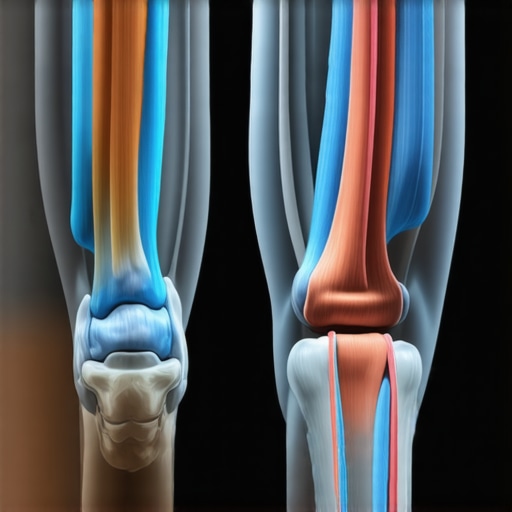
Have you ever stretched, adjusted, or even gritted your teeth through that persistent hip ache, only to find it creeping back after each effort? I used to think my hip pain was just a stubborn muscle or a sign of aging—until I experienced a lightbulb moment that completely changed my approach. One day, after a series of failed attempts to relieve the discomfort, I realized that my ankles—the very foundation of my movement—were silently sabotaging my hips. It felt like a revelation that hit me like a ton of bricks. What if your ankle mobility is the missing piece you’re overlooking?
The Hidden Link Between Ankles and Hip Pain
For a long time, I believed that hip pain was isolated—caused by tight muscles, poor posture, or maybe a misaligned pelvis. But as I dug deeper—learning from experts and my own trial and error—I uncovered a surprising fact: ankle mobility plays a crucial role in how smoothly your hips function. When your ankles are restricted or stiff, they alter your gait and how your body distributes weight. Over time, this uneven load strains the hips, leading to pain and discomfort. It’s a bit counterintuitive because we tend to focus on the area where it hurts, but often, the root cause is tucked away in the mobility—or lack thereof—of our ankles. Trust me, neglecting your ankles is like trying to fix a leaky roof by replacing the window.
Have You Been Ignoring Your Ankles?
I made a huge mistake early on—treating my hip pain as if it would resolve with just stretching my hips or strengthening my core. Turns out, I was just shining a spotlight on a symptom rather than the real problem. As I started paying attention to my ankles—doing specific mobility exercises and adjusting my movement patterns—the pain diminished significantly. That breakthrough made me realize: understanding and caring for your ankles can revolutionize your overall posture and reduce pain in ways you never imagined. Curious if your ankles are holding back your hips? That’s exactly what we’ll explore next, so keep reading.
So, are you facing hip pain that just won’t quit? Have you tried everything from stretches to massages, yet the discomfort persists? If so, you might be missing a crucial link. Stay with me—because addressing your ankle mobility might be the game-changer you’d never anticipate.
Start with a Baseline Assessment
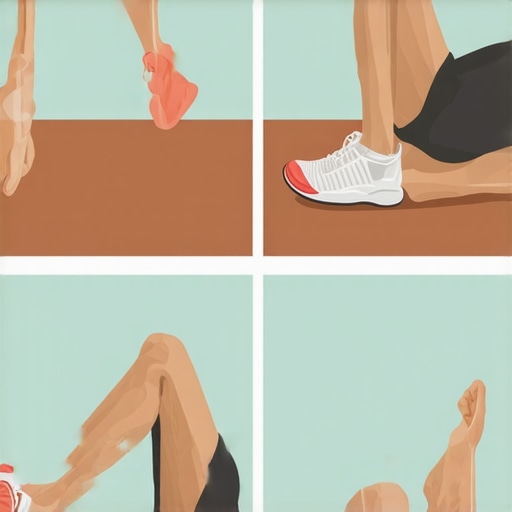
Before diving into exercises, evaluate your ankle mobility. Sit on the floor with your legs extended, and try to flex your ankles upwards and downwards smoothly. Notice any stiffness or discomfort. An analogy here is comparing a door hinge—if it’s rusty, it doesn’t swing freely. Identifying restrictions helps you tailor your mobility routine effectively. I personally spent a day testing my ankles, and when I felt stiff resistance, I knew I had work to do. This simple check is the first step towards freeing up movement and alleviating hip strain.
Mobility Drills That Break Down Stiffness
Engage the Ankle Rolls
Lie on your back, prop your legs up, and gently rotate your ankles clockwise and counter-clockwise for 15 seconds each. Think of your ankles as tiny springs—gentle, controlled movements lubricate the joint. I once included this in my morning routine, and after a week, I noticed less tightness in my hips during workouts. Regular ankle rotations loosen up the joint structures and improve overall movement quality.
Stretch the Calf Muscles
Stand facing a wall, place your hands against it, and step one foot back, keeping it straight and pressing the heel into the ground. Hold for 30 seconds, then switch sides. This stretch targets the calf muscles that influence ankle mobility. When I incorporated calf stretches, I felt my ankles move more freely, which translated into less compensatory hip movement. Remember, tight calves can restrict ankle dorsiflexion, indirectly stressing the hips.
Refine Movement Patterns
Lean into mindful walking and squatting. When walking, focus on a heel-to-toe roll that emphasizes ankle dorsiflexion. During squats, keep your heels flat and knees tracking over toes. A helpful analogy is imagining your ankle as the hinge of a door—every movement hinges on its flexibility. In my experience, consciously adjusting my gait helped distribute load correctly, preventing hip overuse. This step gradually rewires your movement for optimal function.
Integrate Functional Exercises
Practice single-leg stands or controlled heel raises, which mimic real-life activities. Perform 10 reps, holding each position for 3 seconds. Think of these as building a bridge between your ankles and hips—strengthening both ends to work in harmony. I added single-leg balance to my routine, and it dramatically improved my posture and reduced hip pain. These exercises reinforce the mobility gains and promote better load transfer through your lower limbs.
Seek Expert Guidance if Needed
If after consistent practice your ankle mobility remains limited, consider consulting a professional. A chiropractor or mobility specialist can identify subtle restrictions and provide targeted adjustments. For example, a quick visit to an expert can unlock persistent issues. Personal experience taught me that some restrictions require precise manual therapy to release stubborn tightness, making subsequent exercises more effective. Don’t hesitate to get personalized attention to accelerate your progress.
Remember, improving ankle mobility is a process rooted in consistent, intentional effort. By actively working through these steps, you’ll facilitate better gait, reduce unnecessary strain on your hips, and potentially eliminate that nagging discomfort altogether.
 Many people assume that chiropractic adjustments, stretching routines, or posture tweaks are straightforward quick fixes. However, as I’ve explored through advanced research and practical experience, there’s a common misconception that these interventions alone can resolve complex musculoskeletal issues. In reality, understanding the subtle nuances—like the body’s interconnected systems and the importance of comprehensive mobility—can make or break your progress.
One widespread myth is that a single adjustment or stretch will permanently correct underlying dysfunctions. While immediate relief can be inspiring, studies such as the one published in the Journal of Orthopaedic & Sports Physical Therapy highlight that lasting improvements often require addressing foundational mobility deficits and neuromuscular patterns. Relying solely on adjustments without integrating mobility exercises—like those discussed in targeted mobility routines—can lead to temporary relief but not sustainable change.
Another subtle trap is the oversimplification of posture correction. Many believe standing upright or sitting perfectly aligned is the ultimate goal. In truth, rigidity in posture can sometimes be counterproductive, as it overlooks the body’s need for adaptive flexibility. Over-tightening muscles through excessive correction can reduce functional movement capacity. Advanced practitioners emphasize that the goal should be optimal mobility and stability, not rigid alignment, which is supported by research from leading chiropractors detailed in practical strategies for improving posture.
Is Fixing Your Posture Really About Standing Tall?
This question digs into the misconception that posture is solely about position. Instead, posture reflects a dynamic system that involves muscle balance, joint health, and nervous system communication. Adjustments performed in isolation may not address deeper issues like neural tension or fascial restrictions. A comprehensive approach—considering mobility, strength, and neuromuscular control—is supported by expert insights in how chiropractic adjustments enhance posture and mobility.
Beware of the pitfalls in routine practices; for example, over-reliance on self-manipulation like neck cracking can create a cycle of stiffness and dependency, as discussed in this article. It’s crucial to recognize when your body requires professional care that combines manual therapy with mobility training.
Ultimately, true progress lies in understanding that adjustments are part of a broader puzzle. If you focus only on isolated fixes, you’ll likely miss the nuanced interplay of mobility, stability, neurology, and lifestyle factors that sustain long-term health. Have you ever fallen into this trap? Let me know in the comments and share your experiences with holistic approaches to improving movement and posture.Maintaining the gains you’ve achieved in mobility and posture requires reliable tools and consistent routines. One of my favorite investments is a high-quality foam roller, specifically the Rumble Roller, which provides deep tissue massage to release fascial restrictions contributing to tight muscles and poor joint function. I use it regularly after workouts to keep my muscles supple and prevent stiffness from creeping back.
How do I maintain your posture and mobility over time?
Another essential tool in my arsenal is a simple resistance band, which I incorporate for targeted mobility drills like shoulder dislocates and hip flexor stretches. These portable bands allow me to perform effective, dynamic movements that complement my regular chiropractic sessions. The key is consistency; allocating just five minutes daily for mobility exercises with these tools sustains and enhances long-term results.
Advancements in technology also offer innovative ways to monitor and improve posture. Wearable devices like the Upright GO provide real-time feedback on your sitting and standing habits, encouraging mindfulness and automatic correction. I’ve found this feedback invaluable in maintaining good habits during long workdays, ensuring my posture doesn’t slip back into bad patterns.
Embracing a comprehensive approach combining manual therapy, targeted exercises, and smart technology aligns with future trends in personalized health management. As experts increasingly recognize the importance of neuromuscular re-education, tools that facilitate biofeedback and movement precision will become standard in posture correction routines.
Ready to take your mobility maintenance to the next level?
Try incorporating a daily 5-minute self-myofascial release session using a foam roller or ball. This simple addition can significantly reduce muscle tightness, improve joint range of motion, and prolong the benefits of chiropractic adjustments. Consult with a mobility specialist or your chiropractor — such as through personalized guidance — to customize your routine and ensure you’re effectively targeting your specific needs. Remember, consistent use of reliable tools isn’t just about fixing problems; it’s about proactively keeping your body balanced and functioning perfectly for the long haul. Staying committed and utilizing these proven methods will empower you to enjoy sustained mobility, better posture, and pain-free movement for years to come. Keep experimenting with what works best for your body and stay curious about emerging technologies that can support your journey.
Lessons Only the Wise Have Truly Learned
- One of the most profound insights I gained was realizing that pushing through hip pain without addressing ankle restrictions is like trying to patch a leaking boat without plugging the hole—it might hold temporarily, but the problem remains. This taught me to look beyond the obvious and focus on foundational mobility.
- Another lesson came from my obsession with perfect posture. I used to think standing tall was enough, but I discovered that true alignment depends on fluid, adaptable joints—especially in the ankles and hips—reminding me that mobility, not rigidity, is key to lasting health.
- The biggest revelation was understanding that even advanced chiropractic adjustments can be short-lived if I neglect daily mobility exercises for my ankles. Incorporating small, consistent practices made a dramatic difference, underscoring the power of active maintenance over passive fixes.
Tools That Made a Difference in My Mobility Journey
- Rumble Roller: This deep tissue massage tool transformed my approach by helping release fascial restrictions, making my joints more responsive. It’s become my go-to for preventing stiffness and maintaining freedom of movement.
- Resistance Bands: Versatile and portable, bands allow me to perform targeted mobility drills like hip flexor stretches and shoulder dislocates. They helped me embed mobility into daily routines, boosting long-term progress.
- Upright GO: This wearable device offers real-time posture feedback. Staying aware of my alignment throughout the day helped me reinforce healthy habits, making the benefits of chiropractic care stick longer.
- Expert Resources: Reading authoritative content such as this comprehensive guide on mobility and posture deepened my understanding, empowering me to take informed action and customize exercises effectively.
Take the First Step Toward Lasting Change
Your body is an interconnected system where even the tiniest mobility restriction can have cascading effects—but the good news is that you hold the power to change it. Embracing consistent ankle mobility work, guided by trusted tools and informed strategies, can unlock a new level of pain-free movement and posture. Remember, real transformation happens one small, intentional step at a time. So why not start today? Your future self will thank you for it.