
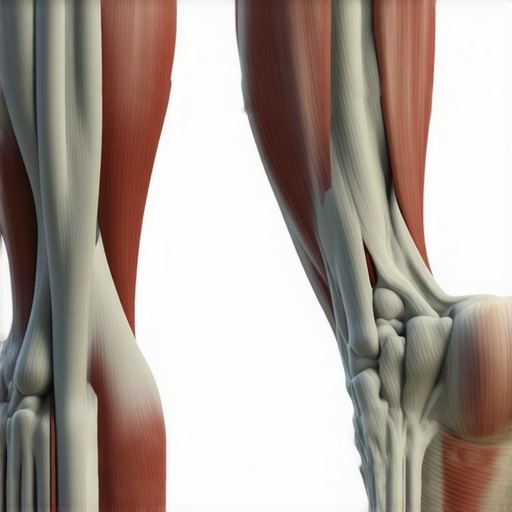
I remember the morning I finally realized what was causing my persistent lower back pain—standing up after a long day of work, I felt a sharp twinge that made me pause. It wasn’t just my back; it was my calves tightening up so much that they pulled on my posterior chain, throwing my entire posture out of alignment. That moment was a lightbulb, but it also opened my eyes to a surprisingly common problem: tight calves disrupting more than just your legs.
The Hidden Link Between Your Calves and Back Pain
Many people overlook the role their calves play in overall spinal health. When calves are tight, they prevent proper ankle mobility and force your body to compensate in ways that can strain your lower back. Over time, this compensation leads to muscular imbalance and, eventually, pain that seems to originate elsewhere. It’s like trying to walk on a crooked road—you might think the issue is your back, but the real culprits are often the supporting muscles elsewhere.
Here’s the thing—your calves are designed to be remarkably flexible and resilient, but modern lifestyles, especially with lots of sitting and inadequate stretching, tend to leave them tight and stiff. I made a crucial mistake early on: neglecting my calf flexibility, assuming it wasn’t a big deal until the pain started radiating up my back. That oversight made recovery much longer and more complicated than it needed to be.
Did you know that according to a 2020 study, restricted ankle mobility due to tight calf muscles can increase the risk of lower back pain by up to 45%? That’s a staggering statistic, underscoring how interconnected our body’s systems truly are.
In this post, I’ll share how you can identify whether tight calves are pulling on your back and demonstrate practical steps to loosen them up. We’ll explore simple, daily habits that can dramatically improve your mobility and posture—so you can break free from the cycle of pain. Ready to get started? If you’ve ever faced stubborn calf tightness that just won’t quit, keep reading. We’re about to change that.
Is your calf tightness really the root of your back issues? Why the skepticism is understandable but unfounded
Early on, I too dismissed calf flexibility as a minor concern. I thought, “How much could my calf muscles really affect my back?” But missing this connection delayed my recovery. When I finally focused on calf mobility, things improved rapidly. Don’t make the same mistake—you can learn more about how your mobility impacts your entire posture by checking out this resource.
Now, let’s dive into how exactly tight calves influence your back and what practical steps you can take to alleviate this common but fixable problem.
Start With Self-Assessment
First, check if your calves feel noticeably tight or restricted. Stand in front of a mirror and observe your ankle mobility. Try to dorsiflex your foot (bring your toes toward your shin). If you can’t easily move your ankle into this position or notice resistance, tight calves are likely contributing to your posture issues. I once skipped this step, and by neglecting my calf flexibility, I prolonged my back pain—until I finally realized how much my calves limited my movement.
Integrate Daily Stretching Routines
Consistent stretching can gradually loosen your calves. Perform a simple calf stretch by placing your hands against a wall, stepping one foot back, and keeping the heel planted while leaning forward. Hold for 30 seconds, then switch sides. Regularly doing this increases ankle mobility over time. I remembered a morning I dedicated five minutes to these stretches; the difference in my flexibility was noticeable after just a week.
Apply Foam Rolling Techniques
Using a foam roller on your calves helps break down muscle tightness. Sit on the floor with your leg extended, place the foam roller beneath your calf, and roll slowly from ankle to knee. Pause on tender spots for increased release. I tried this after a long day at my desk; initially, it was uncomfortable, but consistent rolling improved my calf softness and relieved strain on my posterior chain.
Incorporate Mobility Exercises
Dynamic movements like ankle circles or heel-to-toe walks enhance joint mobility. For ankle circles, lift one foot and rotate the ankle clockwise and counterclockwise for 10 reps. Heel-to-toe walks encourage dorsiflexion and strengthen calf muscles. I added these to my morning routine—over time, I noticed better ankle movement, allowing for proper alignment and reducing strain on my lower back.
Adjust Your Footwear and Posture
Wearing supportive shoes that accommodate natural foot biomechanics prevents further tightness. Avoid high heels or unsupportive sneakers. When standing or walking, keep your weight evenly distributed and avoid hyper-leaning forward. I realized that switching to proper footwear and consciously maintaining good posture made a big difference in my muscle balance.
Use Expert Help When Needed
If tight calves persist despite these efforts, consider consulting a chiropractor. Targeted adjustments can enhance nerve signals and joint mobility, amplifying the benefits of manual therapy combined with your self-care routine. For personalized guidance, you can reach out here. Remember, consistent action is key—integrating these steps into your daily habits can significantly improve your mobility and reduce back pain caused by tight calves. Want more strategies? Visit this guide for practical tips.Many assume that chiropractic care and posture correction are straightforward processes, but in reality, there’s a layer of complexity that many overlook. A common myth is that chiropractic adjustments are a quick fix—once the pain disappears, the problem is solved. However, true progress requires understanding the nuanced relationship between mobility, muscle imbalances, and spinal health. Relying solely on adjustments without addressing underlying mobility restrictions can lead to persistent issues or even new injuries. For example, some practitioners focus only on spinal realignment, neglecting the importance of restoring proper joint and soft tissue function, which can compromise long-term results. Experts like Dr. Stu McGill emphasize that stability and mobility must go hand in hand; failing to recognize this can mean sacrificing quality of life over quick fixes. An advanced mistake often made is assuming that all chiropractors use the same techniques or that adjustments alone will correct complex postural problems—this is far from true. Tailoring care plans to individual biomechanics, addressing soft tissue restrictions, and incorporating mobility exercises are critical steps often missed in standard treatment protocols. Additionally, some patients fall into the trap of expecting immediate relief, ignoring the importance of consistency and proper homework in their recovery journey. To truly optimize outcomes, integrating mobility habits and understanding the biomechanical nuances at play is essential. For more in-depth guidance on maximizing your posture and mobility efforts, I recommend exploring this comprehensive guide. Don’t fall into the trap of thinking a quick adjustment is all you need; true progress involves a holistic approach. Have you ever fallen into this trap? Let me know in the comments.Maintaining your improved posture and mobility isn’t a passive process; it requires the right tools and consistent effort. I personally rely on a combination of targeted equipment and digital resources that help me track progress, deepen my stretches, and refine my adjustments. Investing in quality tools can significantly enhance the sustainability of your gains and prevent regressions. In this post, I’ll share what has worked best for me and where I see this trend heading.
How do I keep my mobility routine effective over time?
Consistency is key, but extending the benefits of your initial breakthroughs often depends on using specialized tools that reinforce your progress. For example, I swear by a high-density foam roller because it allows me to perform my myofascial release techniques effectively at home. Unlike cheap rollers, a dense one targets deep muscle layers, alleviating stubborn tightness, especially in the calves and hips, which notoriously influence overall posture. The reason I prefer a specific model—like the Trigger Point GRID Foam Roller—is its firmness and shape, making it versatile for general rolling and targeting hard-to-reach areas. Find out how to avoid common foam rolling mistakes here.
For tracking my progress and ensuring I stick to my regimen, I use a simple posture app that provides visual feedback and reminders. This tech helps prevent complacency and makes me more mindful of my daily habits. As software continues to evolve, I predict a future where real-time biofeedback devices, integrated with AI, will enable personalized coaching from your smartphone, making expert-guided adjustments accessible anywhere.
Advanced tools that make a real difference
I incorporate a small resistance band into my daily mobility drills. This inexpensive, portable tool adds resistance to certain stretches and activation exercises—like hip abductions—that help stabilize the pelvis and lumbar spine. The reason it works for me is that it promotes muscle engagement that’s often neglected in passive stretching routines. When combined with targeted adjustments from my chiropractor, I notice that my posture remains better aligned for longer periods. For extra precision, I also use a posture correction brace during specific exercises, which reinforces proper spinal positioning. These tools, paired with diligent practice, are a game-changer.
Why are these tools the future of posture care?
As we move towards more personalized and tech-enabled health routines, I expect a surge in smart devices that adapt to your biomechanics in real time. For example, wearable sensors that monitor spinal alignment and provide instant feedback could soon become mainstream. This evolution will empower you to take ownership of your health, refining techniques as you go, ultimately reducing the need for frequent chiropractor visits. But remember, no matter how advanced these tools become, they should complement manual therapy and professional guidance, not replace it. For tailored advice, consider reaching out to a specialist here.
If you’re serious about long-term results, I recommend trying a combination of foam rolling, resistance bands, and today’s tech solutions. Incorporate these into your daily routine and stay consistent. For detailed exercises and more suggestions, check out this comprehensive guide. Remember, maintaining your mobility isn’t a one-time effort—it’s an ongoing process. Start by selecting one tool from this list and integrate it into your routine today. Your future self will thank you.
The Hardest Lesson I Learned About Calf Flexibility and Back Pain
Initially dismissing calf tightness as a minor issue, I paid the price with prolonged discomfort. The awakening moment came when I realized that neglected soft tissue restrictions could undermine my entire posture correction efforts. This taught me that paying close attention to seemingly small muscles can be the difference between relief and ongoing pain.
What No One Tells You About Mobility and Long-Term Posture
I used to believe that one good chiropractic adjustment was enough. But the truth is, sustained improvement demands a multifaceted approach—combining self-care, targeted tools, and consistent effort. This revelation pushed me to embrace daily routines that support long-term alignment rather than quick fixes.
The Power of Small, Consistent Movements
Keeping my mobility routines simple—like ankle circles or foam rolling—proved more effective than sporadic intense sessions. A steady, manageable habit creates enduring change. I discovered that making these small movements a daily ritual transformed my posture over time, making recovery feel effortless rather than daunting.