
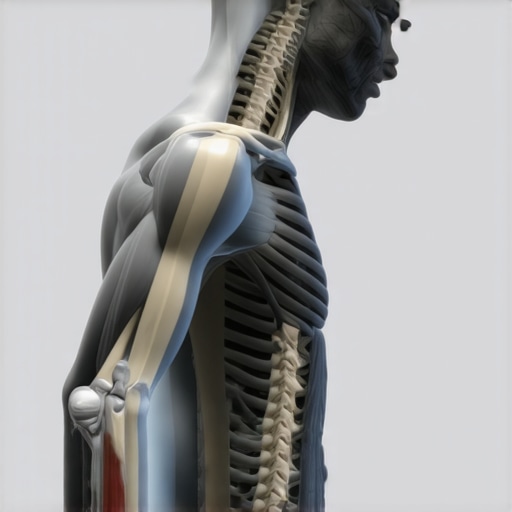
I remember the moment clearly—after weeks of relentless core exercises, expecting my posture to miraculously improve. But instead, I found myself slouching even more, shoulders tense and aching. It was a frustrating realization: my core alone wasn’t enough. That lightbulb moment led me down a different path, one that emphasized mobility, alignment, and the fact that posture is a symphony of many factors, not just core strength.
Rethinking Posture Fixes: More Than Just Abs
You see, for years, I bought into the myth that a sculpted core was the silver bullet for perfect posture. Every time I failed to see lasting results, I’d blame my weak abs and double down on crunches. But what I didn’t realize then, and want to share now, is that posture is a complex dance involving your entire musculoskeletal system. According to recent research, focusing solely on strengthening dismisses the importance of mobility and proper alignment. In fact, a study published in the Journal of Physical Therapy Science highlights how mobility exercises can significantly improve posture and reduce pain, sometimes even more than traditional strengthening routines.
Is the Hype Around Core Strength Just a Band-Aid?
Early on, I made the mistake of believing that building a strong core would automatically correct my slouching. I ignored the fact that tightness, joint restrictions, and misalignments often play a huge role. It’s like trying to fix a leaky pipe by only tightening the faucet—the root cause remains untouched. If you’re tired of wasting effort on ineffective routines, it’s worth considering that addressing mobility and chiropractic adjustments might be the game-changer. For practical tips on this approach, take a look at [how chiropractic adjustments enhance posture and mobility](https://quackersneck.com/how-chiropractic-adjustments-enhance-posture-and-mobility). Ready to explore what truly influences your posture? Let’s dive in and uncover the real keys to a healthy, aligned spine.
Start with Gentle Mobility Exercises
Recall a day I spent ten minutes on simple hip circles and spine twists each morning. Initially, I felt awkward and clumsy, but over a week, my hips and back felt more relaxed, and my posture improved naturally. Begin by incorporating gentle mobility movements like neck rotations, shoulder rolls, and hip circles into your daily routine. Focus on smooth, controlled motions, avoiding any jerking or overstretching. These exercises help loosen tight muscles and unlock joint restrictions that contribute to poor posture.
Identify and Release Tension Areas
Use self-massage tools or foam rollers on tight spots—think of it as rolling out a knot in a rope to restore flexibility. For instance, my upper trapezius was perpetually tense from desk work. Applying pressure with a foam roller and performing gentle neck stretches eased the tension significantly. This process targets muscle adhesions and soft tissue restrictions that impede proper alignment. Applying consistent pressure breaks down these knots, improving mobility and posture.
Transform Your Alignment with Chiropractic Adjustments
Visualize your spine like a chain: if one link is misaligned, the entire structure weakens. I visited a chiropractor after noticing persistent shoulder unevenness. The adjustments felt like realigning a bent rod—suddenly, everything else felt better. Regular chiropractic care can correct subluxations, restore joint mobility, and optimize your posture. Think of adjustments as tuning the string of a guitar; precise tweaks yield harmonious sound. When combined with mobility work, adjustments can unlock stuck joints and reduce compensatory strain. Learn more about how chiropractic adjustments can boost your posture and mobility at this resource.
Implement Strategic Daily Habits
One practical habit I adopted was adjusting my computer setup—raising the monitor to eye level and ensuring my feet rested flat on the floor. These small tweaks act like guiding rails, steering my body back into alignment. Incorporate micro-movements throughout the day, such as alternating sitting and standing or performing shoulder blades squeezes every hour. These habits prevent stiffness and encourage muscle patterning conducive to good posture, much like frequently tuning a musical instrument keeps it sounding right. For more tips on daily mobility hacks, visit this guide.
Combine Movement with Mindful Awareness
During a particular session, I paid close attention to my breathing and how my shoulders crept upward when stressed. By practicing diaphragmatic breathing, I reduced neck tension, which positively affected my posture. Developing awareness of your body’s tension patterns allows you to break bad habits consciously. Think of it as steering a ship—small, deliberate adjustments keep the course steady. Incorporate mindful checks to notice when you slouch or tense muscles, then reset with quick stretches or deep breaths. This is the least intimidating yet most effective step towards sustainable posture improvement. For detailed breathing techniques that complement mobility efforts, see this resource.While many believe that visiting a chiropractor or performing regular mobility exercises alone will fix posture issues, there’s a deeper layer often overlooked—especially the nuanced ways these interventions can go wrong if not approached correctly. One common misconception is that adjustments are a quick fix, a magic bullet for perfect alignment. In reality, relying solely on chiropractic adjustments without understanding their role within a comprehensive mobility and posture strategy can lead to temporary relief but persistent problems over time. As highlighted in studies from experts like Dr. Craig Buhler, true posture correction involves dynamic movement and neuromuscular re-education, not just joint popping.
Why Do Some Adjustments Fail to Last, Even When They Feel Good?
This question delves into the intricacies of neural and muscular adaptation. Adjustments can temporarily improve joint function, but if underlying mobility restrictions or muscular imbalances persist, the misalignments tend to return. The key is that adjustments should be integrated with targeted mobility routines and strengthening programs. Otherwise, you’re only addressing the symptom, not the root cause.
Watch Out for the Trap of Over-Reliance on Mechanical Fixes
Many practitioners and patients fall into the trap of emphasizing manual therapy as the only solution. This approach neglects the importance of understanding individual movement patterns and neuromuscular control. For example, a stiff hip or tight thoracic spine can perpetuate poor posture despite regular adjustments. External factors like footwear, daily habits, and ergonomic setup also play critical roles. Comprehensive care that includes mobility exercises, ergonomic adjustments, and posture awareness is essential. For deeper insights, consider exploring how chiropractic care complements mobility.
Advanced athletes and posture expertsknow the importance of nuanced movement training
They recognize that the quality of movement is everything. This is where many go wrong—they focus on strengthening without addressing mobility or neural control. According to a detailed review in the Journal of Bodywork and Movement Therapies, mobility work and neuromuscular training are crucial for sustainable posture improvement. Relying solely on adjustments might temporarily ‘kickstart’ progress, but if you neglect movement quality, the fixes won’t last. To optimize your posture and mobility, integrating expert-guided dynamic routines is a game-changer. Check out comprehensive plans here for building resilient postural habits.Once you’ve committed to improving your posture through mobility work, chiropractic adjustments, and mindful habits, maintaining these benefits over time becomes the next critical step. Investing in effective tools and establishing consistent routines ensures your progress isn’t just a fleeting win but a sustainable lifestyle. Personally, I rely on a combination of targeted equipment, smart software, and strategic practices to keep my posture aligned and pain-free. In this post, I’ll share the tools I recommend and how they can help you maintain your results long-term.
Invest in Quality Foam Rollers and Massage Tools
My daily routine includes using a high-grade foam roller on my thoracic spine and hips. Unlike cheaper options, a dense, shaped foam roller allows for deeper myofascial release, which is vital for preventing muscle tightness that can undo your progress. I prefer models with textured surfaces that mimic hands for my trigger point therapy. Regular self-massage helps release adhesions, increase blood flow, and maintain mobility. If you want to explore more about soft tissue care that complements chiropractic adjustments, check out this resource. **Image prompt**: Dense foam roller being used on upper back, detailed close-up, professional setting, emphasizing texture and application, alt=text=’Foam roller for postural maintenance’, title=’Using a foam roller for postural health.’
Leverage Posture Monitoring Software
Technology plays a growing role in long-term posture management. I utilize posture tracking apps that analyze my sitting and standing habits throughout the day. These tools send reminders when I slouch or remain in poor positions for too long, much like having a personal coach in your pocket. Modern software integrates with webcams or wearable sensors to provide objective data, helping you identify habits you might not notice. Looking ahead, AI-driven posture analysis will become more sophisticated, offering personalized routines and real-time correction guidance—an exciting trend to watch. For now, I recommend trying apps that connect with your devices to make posture monitoring effortless and effective. To stay informed about cutting-edge approaches, consider this upcoming guide to mobility and posture.
The Hardest Lesson I Learned About Adjustments, Mobility, Posture, and Chiropractic
One of my most eye-opening experiences was realizing that quick fixes rarely lead to lasting change. I often relied solely on chiropractic adjustments, expecting them to hold forever, only to find my posture reverting back. The true breakthrough came when I understood that real progress requires integrating mobility, mindful habits, and understanding the body as an interconnected system—not just isolated adjustments.
Tools That Transformed My Approach to Posture
Discovering the right tools was a game-changer. I trust high-quality foam rollers for myofascial release, which help maintain tissue flexibility. Posture monitoring apps became my digital coach, offering feedback throughout the day. For deeper learning, books like “The Ultimate Guide to Improving Mobility and Posture” provided insights I couldn’t find elsewhere. These resources empower you to take control and sustain your improvements.
Your Journey Starts Now—Embrace the Change
Remember, improving posture isn’t a one-time fix but a lifestyle transformation. Consistent mobility routines, mindful awareness, and trusting the right professionals will usher in long-term benefits. I encourage you to start small—integrate gentle stretches, be mindful of your daily habits, and seek expert guidance when needed. Every step you take moves you closer to a healthier, more aligned you. Ready to make that leap? Share your biggest posture challenge below and let’s overcome it together!