
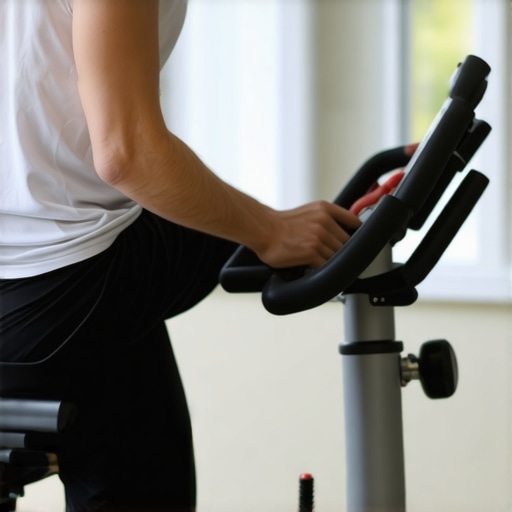
I remember the exact moment I realized my trusty exercise bike was secretly undermining my progress. I had just finished a solid $30-minute session, feeling accomplished, only to wake up the next morning with a stiff, achy lower back that refused to loosen up. At first, I blamed it on sleep, bad post-workout form, or maybe even my mattress. But as days went on, I couldn’t ignore the nagging suspicion—maybe my bike setup was doing more harm than good.
Why Your Exercise Bike Could Be Fueling Your Back Pain
Many of us get caught up in the convenience of exercising at home, especially with a machine like a bicycle trainer. It’s accessible, it’s efficient, and it feels like a win. But if your gear isn’t adjusted properly, or your posture isn’t spot-on, it can lead to persistent lower back stiffness. This isn’t just about discomfort; it can translate into longer-term issues if ignored.
What I’ve learned from personal experience—and from guidance by professionals—is that this common problem often stems from overlooked details in bike setup and riding technique. A misaligned saddle, a handlebars too high or low, or poor posture during your ride can all contribute to undue stress on your lumbar spine. In fact, research shows that improper bike ergonomics can increase lower back strain, which may lead to chronic pain if unaddressed.
For many, the mistake I made early on was assuming that just hopping on the bike and pedaling was enough. I wasn’t paying attention to my alignment or my body’s signals. Had I known earlier about proper posture adjustments and mobility strategies, I could have avoided that lingering stiffness. If you’re facing similar issues, don’t worry—today, I’ll share straightforward, effective steps to optimize your bike setup and riding habits.
Are you tired of waking up with that dull lower back ache after your workouts? If so, keep reading. We’re going to turn your exercise regime from a potential pain trigger into a safe, enjoyable activity that benefits your posture and mobility rather than sabotages them.
Is Improving Your Bike Setup Really Worth the Hype?
You might wonder if fussing over bike adjustments makes a difference. Believe me, it does. Small tweaks can drastically reduce stress on your lower back and enhance your overall comfort. For a deeper dive into expert chiropractic techniques that can boost your posture during daily activities—and exercise—check out this resource.
Adjust Your Saddle for Optimal Support
Start by setting your saddle height so that when you sit on it, your knee is slightly bent at the bottom of the pedal stroke; this prevents overextending your leg and puts less strain on your lower back. Think of your bike like a chair: if it’s too high, you’re stretching unnecessarily, and if it’s too low, you’re compressing your hips and spine. I personally experienced this when I initially set my saddle too high—after lowering it to my hip height, I noticed immediate relief during my rides.
Position Your Handlebars to Maintain a Neutral Spine
The handlebars should be adjusted so that you can hold them comfortably without hunching or over-reaching. Ideally, your elbows should be slightly bent with shoulders relaxed, mimicking a natural riding posture. Imagine your spine like a chain suspended from your head; if your hands are too high or low, it pulls your chain out of alignment, straining your lower back. During my last setup, I found that raising my handlebars by just a few centimeters aligned my posture better, significantly reducing back fatigue.
Focus on Core Engagement During Rides
Engaging your core muscles acts like a built-in stabilizer for your lower back. Think of your core as the foundation of a building; a strong, steady base keeps everything aligned. During my sessions, I consciously contracted my abdominal muscles, which helped keep my pelvis stable and prevented excessive arching of my lower back. To deepen this awareness, you can try planking exercises or targeted mobility work, which also enhances your overall support during rides—learn more about core strengthening techniques here.
Incorporate Mobility Drills Before and After Riding
Mobility exercises function like lubrication for a rusty hinge, ensuring joints move smoothly and reducing strain. Focus on hips, hamstrings, and lower back, which are most engaged during cycling. For example, hip openers and lumbar twists can create space in your joints, preventing stiffness. I used to skip these warm-ups, but after integrating simple routines like leg swings and spinal rotations, I noticed my back remained more flexible, and discomfort declined. For quick, effective mobility routines, check out this resource.
Maintain Posture Awareness Throughout Your Ride
It’s easy to get lost in your pace or focus on the screen, but staying aware of your posture is crucial. Imagine your spine as a stack of balanced blocks; if they shift even slightly, the entire structure becomes unstable. Periodically check your shoulder height, hip level, and hand positioning. Use a mirror or record yourself riding to identify tendencies to slouch or tilt. Over time, this mindfulness becomes second nature, minimizing the risk of strain and pain.
Seek Professional Guidance for Precise Adjustments
If persistent discomfort persists despite your efforts, consulting a chiropractor can help fine-tune your setup and address underlying postural issues. Think of this as calibrating a complex instrument—small adjustments here can make a huge difference. For expert tips tailored to your body, explore how chiropractic care enhances posture.
Many believe that mastering simple adjustments or perfecting basic posture techniques is enough to maintain long-term spinal health, but in my experience, a deeper understanding reveals overlooked nuances that can undermine these efforts. Contrary to popular belief, not all adjustments are beneficial; some can even worsen alignment if performed without considering individual biomechanics. For example, many rely solely on textbook positioning—saddle height or handlebar tilt—without accounting for personal variations in pelvic tilt or spinal curvature. This oversight often results in compensatory patterns, leading to persistent discomfort. Additionally, there’s a widespread myth that static postural corrections alone are sufficient. In reality, active mobility and dynamic posture correction are crucial because muscles adapt and elongate differently depending on daily activity patterns. Ignoring these factors leaves many vulnerable to chronic strain. Moreover, the misconception that chiropractic adjustments immediately fix postural issues can be misleading. While adjustments provide relief, they should be integrated into a broader strategy involving mobility work and ergonomic awareness. A common trap practitioners often fall into involves over-reliance on passive treatments without empowering clients with sustainable habits, such as targeted mobility drills tailored to individual needs. Recognizing the nuances—like differentiating between true joint restrictions and muscular tightness—can significantly impact outcomes. As Dr. Stuart McGill emphasizes, understanding tissue-specific limitations is vital for crafting effective interventions. To optimize your approach, consider integrating postural awareness with mobility exercises and seeking professional guidance when needed. For further insights into precise chiropractic techniques and how they complement mobility work, visit this resource. Have you ever fallen into this trap? Let me know in the comments.Maintaining good posture and mobility requires more than just awareness; it demands the right tools and routines integrated into your daily life. Personally, I swear by a few specific items and techniques that keep my spine aligned and mobility at peak levels, especially during long workdays or after intense workouts.
Why I Trust My Foam Roller
Mygo-to tool is a dense foam roller. I use it daily to release muscle tightness in my hips, hamstrings, and lower back. Regular self-myofascial release with a foam roller improves tissue elasticity and reduces the risk of chronic tension that can pull your posture out of alignment. I prefer the shorter, firm rollers because they target small, hard-to-reach areas and are easy to pack for travel, ensuring my mobility stays consistent regardless of where I am. For a detailed, effective routine, I follow mobility hacks from this resource which has transformed my approach to daily movement.
Investing in a Quality Posture-Correcting Chair
Since many of us spend hours at desks, I upgraded to an ergonomic office chair with adjustable lumbar support and seat depth. This isn’t just a luxury—it’s a necessity. An ideal chair helps maintain the natural curve of your lumbar spine and encourages proper seated posture, especially during long work sessions. I’ve noticed a remarkable decrease in neck and back pain since making this switch. For a comprehensive understanding of how chiropractor-approved chairs can support your posture, check out this guide.
Digital Tools to Track and Improve Mobility
Technology has made tracking posture and mobility easier. I rely on an app that prompts movement, reminding me to stretch or change positions every 30 minutes. It contains customizable routines, including mobility drills that can be done in a few minutes, ensuring I don’t stay static for too long. This proactive approach is crucial, especially for those with sedentary jobs. As per recent research in this article, consistent movement patterns significantly enhance spinal health over time.
How Do I Keep Up With Maintenance for Long-Term Results?
Developing a maintenance routine is all about consistency. I schedule daily mobility drills, weekly chiropractic check-ins, and prioritize ergonomic assessments of my workspace. Over time, this integrated approach helps me sustain improvements and adapt to changes in my body. Remember, investing in good tools and routines today lays the groundwork for a pain-free future. If you’re serious about long-term results, consider consulting a professional for personalized advice, and don’t hesitate to try advanced techniques like targeted mobility exercises from this resource. Consistency is key—make it a part of your daily routine, and you’ll notice lasting improvements in your posture and mobility.
What I Wish I Knew About Setting Up My Bike and Body
One of the most profound lessons I learned was that even the tiniest misalignment can have a domino effect on your entire posture journey. Initially, I thought minor saddle height tweaks were enough, but I realized that individual anatomy requires personalized adjustments—what works for one might aggravate another. This realization pushed me to seek professional guidance rather than rely solely on generic advice, which transformed my approach to mobility and posture.
Secondly, I underestimated the power of consistency. It’s tempting to think a single adjustment will fix everything, but sustaining long-term improvements demands regular mobility drills and posture checks. Small daily habits, like mindful core engagement during rides and ergonomic assessments at work, compound into significant health benefits.
Another lightbulb moment was understanding that passive treatments like adjustments need to be complemented with active mobility work. Chiropractic care can provide relief, but empowering your muscles through targeted exercises creates resilience. Not nearly enough focus is given to integrating mobility routines, such as those found here, into our daily lives to sustain gains.
My Go-To Arsenal for Lasting Posture Improvements
In my journey, a sturdy foam roller became an indispensable tool. Daily self-myofascial release in areas like the hips and lower back helps maintain tissue elasticity and prevents stiffness that can sabotage posture, echoing advice from mobility hacks. Coupled with an ergonomic chair designed with lumbar support, I found that aligning my workspace with my body’s needs significantly cut down on discomfort.
I also started harnessing digital tools that remind me to move and stretch throughout the day. These small prompts enforce consistency, which research now shows is critical for long-term posture health here. Integrating these resources into my routine has created a more resilient and pain-free lifestyle.
Confidence To Take Action and Keep Moving Forward
Remember, building a healthier posture is a marathon, not a sprint. Small, intentional changes—like perfecting your bike setup, engaging your core actively, and committing to mobility routines—can profoundly impact your well-being. You have the power to transform your approach, ensuring movement remains a source of joy rather than pain. Start today, and embrace the journey toward a stronger, more aligned you.