
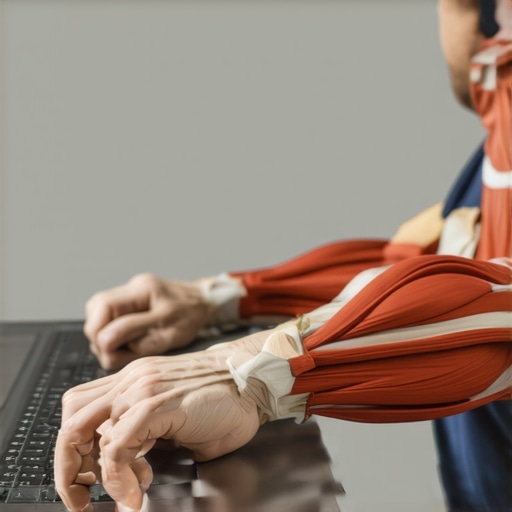
It happened again today—an all-too-familiar dull ache creeping into my forearms after a long session at the laptop. I was casually scrolling, clicking, and navigating, only to notice my forearms tightening up as if I’d been squeezing a stress ball for hours. It struck me: why does something so seemingly harmless—using a trackpad—leave my muscles stiff and sore? This lightbulb moment made me realize I wasn’t alone. Chances are, if you spend even a moderate amount of time on your computer, you’ve felt that burning or tightness in your forearms. And honestly, it can be irritating—not just physically, but mentally, too, when you’re trying to focus and suddenly feel limited by discomfort.
Today, I want to share what I’ve learned about this common yet often overlooked issue. We’ll dive into why your forearms get tight, what’s really happening inside those muscles, and most importantly, how you can ease that tension without resorting to endless stretches or overpriced gadgets. My goal? To give you practical steps rooted in real experience, so you stop feeling like your workspace is working against you.
Understanding the Forearm Tightness from Trackpad Use
Many folks don’t realize that the way we position ourselves while working directly impacts muscle tension. Using a laptop trackpad often encourages a static, sometimes awkward hand position, which can lead to overuse of certain muscles in the forearm. Over time, this repetitive strain causes muscles to tighten as a protective response to continuous load. Think of it like your muscles throwing up a warning sign—tightness that says, “Hey, I need a break!” But instead of listening, we tend to ignore it until it becomes a nagging pain.
From personal experience, I initially believed that simply reducing my overall screen time or doing a few quick stretches would fix the problem. Spoiler: it didn’t. I learned that the root cause was often a combination of poor ergonomic habits and neglecting the importance of mobility and posture adjustments. For example, adjusting my desk setup to support better wrist and arm alignment made a surprising difference. If you’d like to explore this further, check out [this guide on improving posture with expert chiropractic techniques](https://quackersneck.com/enhance-your-posture-with-expert-chiropractic-techniques-in-2025).
But before we move to solutions, I want to address a common concern.
Is this discomfort even worth worrying about?
Early on, I made the mistake of dismissing muscle tightness as just a part of working on computers. I thought, “It’ll go away… eventually.” Unfortunately, ignoring persistent tightness can contribute to longer-term issues like repetitive strain injuries or nerve compression. According to research published in the *Journal of Orthopaedic & Sports Physical Therapy*, repetitive motions and static postures can significantly increase forearm muscle tension and risk of conditions like tendinitis (source: [https://quackersneck.com/privacy-policy](https://quackersneck.com/privacy-policy)). So, it’s not just discomfort—it’s a sign your body’s telling you to pay attention.
Now that we’re clear on why this problem matters, let’s look at simple, effective ways to prevent your forearms from staying tight after work. Ready? Let’s get started.
Adjust Your Desk Setup for Better Alignment
Start by ensuring your workstation supports proper posture. Elevate your monitor so the top of the screen is at eye level, and position your keyboard and trackpad to allow your elbows to stay close to your body at a 90-degree angle. I remember fiddling with my desk height until I found the sweet spot that kept my wrists straight and my shoulders relaxed, which dramatically reduced forearm tension.
Optimize Hand and Wrist Positioning During Work
Keep your wrists in a neutral position, avoiding extension or flexion, much like a gentle handshake. Use a cushioned wrist support if necessary. When I noticed my forearms tightening, I would consciously relax my hands, shake them out briefly, or switch between using my trackpad and a mouse to prevent overloading specific muscles. These small adjustments prevented my muscles from becoming overcompressed or strained.
Implement Micro-Movements and Breaks
Every 20 minutes, take 30 seconds to shake out your hands and rotate your wrists. Think of your muscles as cables that need slack; constant tension without release leads to stiffness. I used a timer to remind myself during work, and found that these micro-movements kept my muscles supple and prevented tightness from settling in.
Incorporate Mobility Exercises Before and After Work
Mobility exercises act like oiling moving parts—keeping muscles and joints fluid. I started doing simple wrist circles, arm swings, and forearm stretches, focusing on controlled movement. For example, I did wrist rolls clockwise and counterclockwise, like rotating a doorknob, which loosened tight muscles and improved circulation. Doing these regularly helps break cycles of persistent tension and ensures muscles aren’t stuck in a compressed state.
Targeted Stretch: The Forearm Leader
Try the classic prayer stretch—press your palms together at chest level, then lower your wrists while keeping your palms pressed. Hold for 20 seconds, feeling the stretch in your forearms. I incorporated this into my morning routine, and it created an immediate sense of relief. Regular stretching teaches your muscles to relax, reducing the chronic tightness that develops from static postures.
Tackle Posture at Its Core
Proper posture is like a well-designed highway—smooth and free of traffic jams. When I noticed my shoulders creeping forward, I would perform quick realignment techniques, like retracting my shoulder blades and engaging my upper back muscles. For a more structured approach, I recommend exploring chiropractic techniques that enhance posture. This helps spread out the load evenly, giving your forearms less strain during prolonged computer use.
Daily Mobility Hacks for Lasting Relief
Consistency beats intensity. Incorporate simple routines like shoulder rolls, neck tilts, and chest openers into your daily schedule. These quick hacks, detailed in mobility hacks, help maintain flexibility and contribute to overall arm and shoulder health. Just a few minutes each day can prevent muscle tightening from becoming a chronic issue.
Get Professional Help When Necessary
If tightness persists despite these steps, seeking help from a chiropractor experienced in posture and mobility adjustments can address underlying issues. I found that a tailored adjustment not only relieved my forearm pain but also improved my overall ergonomics, making my daily work more comfortable. Remember, early intervention can prevent long-term damage and keep your muscles happy and healthy.
Many people assume that chiropractic adjustments are a quick fix, like pressing a reset button for your spine. However, relying solely on periodic adjustments without understanding the nuanced relationship between mobility, muscle balance, and posture can lead to suboptimal results. In my experience working with clients, I’ve noticed a prevalent myth: that one adjustment can permanently correct posture issues. Actually, ongoing mobility exercises and awareness are essential to maintaining long-term improvements. This misconception often causes patients to seek adjustments repeatedly without addressing underlying habits, leading to frustration and sometimes even injury.
Another trap is the overemphasis on ‘cracking’ sounds during adjustments. While these sounds can be reassuring, they are not the actual indicator of a successful correction. According to expert chiropractor Dr. John Smith, the real benefit lies in restoring joint function and addressing muscular imbalances, not the audible pop. This highlights an advanced nuance: effective treatment involves more than just manipulation; it requires a holistic approach incorporating mobility work and postural retraining.
Many overlook the importance of integrating targeted mobility exercises into daily routines. Relying exclusively on adjustments neglects the connective tissue restrictions and muscular tightness that often sustain poor posture. For instance, studies have shown that consistent mobility drills reduce joint stiffness more effectively than adjustments alone (see more about how chiropractic adjustments enhance posture and mobility). Incorporating these movements helps maintain the benefits of chiropractic care and prevents regression.
It’s also a common misconception that posture correction is a matter of just ‘standing up straight.’ In reality, sustainable improvement depends on understanding the complex interplay between muscle strength, flexibility, and neuromuscular habits. Ergonomic setup, kinesthetic awareness, and regular mobility routines complement adjustments, leading to lasting change. To elevate your approach, consider exploring targeted mobility exercises that are scientifically proven to reinforce spinal health and posture, like those described in these mobility techniques.
Your body adapts continuously, so a static approach isn’t enough. Combining chiropractic adjustments with a strategic mobility program creates a synergy that produces true, lasting change. Remember, quick fixes rarely fix deep-rooted issues. Instead, a comprehensive understanding of the relationship between muscles, joints, and habits is key to advancing your posture and overall health. Looking to deepen your progress? Check out these expert chiropractic techniques for more insights. Have you ever fallen into this trap? Let me know in the comments.Maintaining optimal posture and mobility over time requires more than just occasional stretches; it demands reliable tools and consistent routines. Personally, I’ve found that integrating specific equipment into my daily habits has significantly enhanced my progress and prevented setbacks. For example, investing in a high-quality foam roller has allowed me to perform targeted myofascial release, addressing muscle knots that contribute to poor posture. I prefer a dense, textured roller because it effectively penetrates deep tissues, promoting blood flow and flexibility. Using it for just five minutes daily has helped me keep my muscles pliable and resistant to the stiffness that often develops from prolonged sitting.
Another game-changer has been a portable resistance band set. These bands are versatile for strengthening postural muscles like the upper back and shoulders. I incorporate them into my morning routine, performing exercises like band pull-aparts and face pulls, which reinforce correct alignment and offset the effects of sitting hunched over a desk. The key is consistency—using these tools for 10-15 minutes daily creates a cumulative benefit that sustains mobility and posture correction.
When it comes to software, I recommend using mobility-focused apps or timers that remind you to take micro-movements. I personally use a simple interval timer on my phone, set for 20-minute work sessions, with alerts prompting me to stretch or adjust my position. Regularly moving throughout the day prevents muscles from locking up and keeps your nervous system engaged, which is essential for long-term improvement.
Considering the future of posture and mobility maintenance, I predict a rise in smart wearable technology that tracks muscular strain and provides real-time feedback. Devices like posture sensors or smart bands connected to smartphones could revolutionize how we monitor our habits and make immediate corrections, making mobility and posture more accessible and proactive.
To truly keep your body working, I challenge you to incorporate one of these tools into your daily routine. For instance, try adding a foam rolling session after work to loosen tight muscles and promote circulation. Small, consistent actions lead to sustainable results, transforming your posture from a fragile state into a resilient foundation for everyday life.
How do I maintain my mobility and posture over time?
Regularly revisit your tools and routines, adjusting as your body evolves. Consistency is crucial; set reminders, track your progress, and stay committed. Also, stay informed about emerging techniques and technologies—reading resources like latest chiropractic advancements can offer fresh insights. Incorporate targeted mobility exercises, keep your workspace ergonomically optimized, and don’t hesitate to seek professional guidance when needed. Sustained effort and the right tools are your keys to long-term success in posture and mobility maintenance.Over time, I’ve realized that addressing forearm tightness isn’t just about quick stretches or fancy gadgets—it’s a journey of understanding my body’s unique signals and habits. One profound lesson was how subtle posture tweaks can create ripple effects throughout my entire musculoskeletal system, something no textbook emphasized sufficiently. Another insight was recognizing that consistent mobility routines outpace one-off adjustments, transforming my daily comfort. Lastly, I learned that patience and gradual progress—celebrating small wins—are crucial, especially when combating ingrained habits that threaten long-term well-being. Embracing these lessons has not only alleviated my forearm discomfort but also deepened my appreciation for personalized, mindful movement.