

Have you ever set out on your morning walk, feeling eager to stretch your legs and breathe in the fresh air, only to realize halfway through that your glutes feel asleep? It’s a frustrating sensation—like trying to start a car with a dead battery. Trust me, I’ve been there, and it’s more common than you might think.
This Hidden Weakness Could Be Sabotaging Your Walks—and Your Health
What’s really going on when your glutes refuse to activate? Well, it’s often a sign that something behind the scenes is off—posture misalignments, mobility restrictions, or even chronic tension that prevents these crucial muscles from doing their job. And let’s be honest: if your glutes aren’t working, your entire movement pattern suffers, increasing stress on your lower back and knees.
But here’s the good news: understanding this problem is the first step to overcoming it. I remember spending months blaming my shoes or my jogging pace, but the real breakthrough came when I discovered that I needed to retrain those stubborn muscles and address underlying mobility issues. Once I started paying attention to these areas, my walks became smoother, more powerful—and most importantly, pain-free.
Is It Really Worth the Effort to Fix Your Glutes?
Initially, I was skeptical. I thought, “Maybe I just need to stretch more,” or “Is this really going to make a difference?” But neglecting this problem can lead to compensations that create tension elsewhere, and studies show that weak glutes are linked to poor posture and increased injury risk (see this guide).
Early on, I made the mistake of solely focusing on exercises that don’t address the root of the issue—like endless leg lifts without fixing my mobility restrictions. That oversight delayed progress and left me feeling discouraged. Today, I want to share the simple, effective strategies I learned to turn this around, helping you get those glutes firing again with real, lasting results.
Ready to stop feeling like your glutes are on strike? Let’s dive into why this happens and how you can reclaim control of your movement.
Start with Mobility Hacks to Unlock Movement
My first real breakthrough happened when I committed to daily mobility exercises. Think of your joints like hinges on a gate; if they’re sticky or rusted, the gate won’t swing smoothly. I began with simple mobility hacks focusing on hips and ankles. During one session, I incorporated controlled hip circles and ankle dorsiflexion drills. Initially, it was clumsy—my hips felt tight, and I nearly lost balance—but persistence paid off. Over a couple of weeks, I noticed my gait becoming more fluid, and my glutes started engaging more naturally during walks.
Use Chiropractic Adjustments to Realign and Reset
Next, I explored how chiropractic adjustments could support my body’s alignment. Think of your spine like a set of dominoes; if one tilts or shifts, the whole chain is affected. I scheduled a session, and my chiropractor gently manipulated my upper lumbar and pelvis. The goal was to free up restricted joints and restore proper movement patterns. After the adjustment, I felt an immediate sense of lightness—like the hinges on my hips had been lubricated. This moment reinforced how crucial proper alignment is before active exercises.
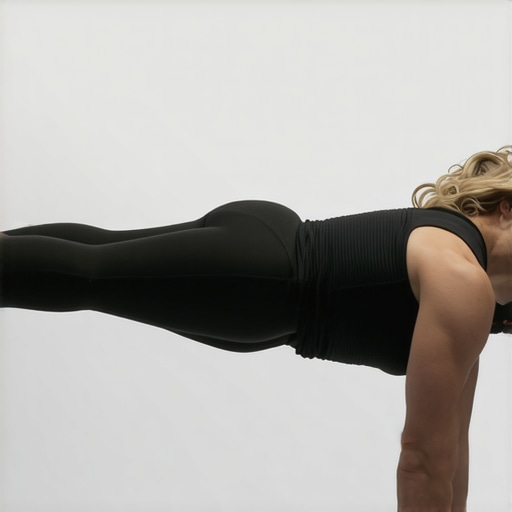
Incorporating manual adjustments improves posture and primes your body for further mobility work, as shown in this visual guide to chiropractic benefits.
Targeted Exercises to Activate Dormant Muscles
Once aligned, I needed to ‘wake up’ my glutes. Do you know how a car engine needs priming before startup? Your muscles are similar. The key is to perform targeted exercises that stimulate glute activation without compensating with other muscles. I started with bridge lifts, paying close attention to feeling my glutes tighten—no cheating with hamstrings or lower back. Remember, quality over quantity ensures the muscles learn to fire correctly. I also incorporated targeted mobility exercises that open up tight hip flexors and improve range. Consistency here transforms passive stretches into active strength zones, directly impacting your walking power.
Improve Posture with Daily Micro-Adjustments
Another game-changer was integrating micro-adjustments into daily routine. Think of this like fine-tuning a musical instrument—small tweaks lead to harmonious movement. I adopted habits like adjusting my sitting position every 20 minutes, stretching my hips, or even shifting weight placement. For example, when sitting at my desk, I set a timer to remind me to stand or change posture, preventing habitual slouching. This consistency gradually retrains your body’s feedback loop, making proper posture effortless over time. For inspired routines, check out practical chiropractor strategies that fit into everyday life.
Combine Supportive Habits with Load Management
Last, I examined how daily loads and habits affected my movement. That meant decluttering my environment—like choosing supportive shoes that don’t tilt my pelvis—and managing how I carry bags. Think of your body like a bucket; overloading it unevenly causes strain. I swapped casual footwear for supportive insoles and kept my backpack balanced. Small adjustments like this prevent habitual misalignments that sabotage your efforts. If you’ve been wondering whether your carry habits are contributing to glute weakness, this vision and posture link offers insight into unseen influences.
Many people accept surface-level notions about posture and chiropractic care, but beneath the popular myths lie nuanced truths that can significantly impact your progress. For instance, a widespread misconception is that static stretching always benefits mobility; in reality, certain stretches can exacerbate postural issues if not tailored correctly. Contrary to the belief that chiropractic adjustments are a quick fix, evidence suggests they work best when integrated into a comprehensive mobility and strengthening routine, as highlighted in this detailed guide. Beware of the trap of relying solely on adjustments without addressing underlying movement patterns—this can lead to dependency, where your body fails to maintain alignment autonomously, akin to a car that needs a mechanic every time it stalls. Advanced practitioners often ask, “How do I balance manual correction with active self-care to ensure longevity?” The key lies in understanding the *specific* neuromuscular patterns involved, which requires careful assessment and targeted mobility work, as discussed in this resource. Incorporating functional movement screens can reveal compensations that are missed by casual evaluations, preventing small issues from turning into chronic pain. An important caution is to avoid overdoing passive therapies—excessive foam rolling or stretching can sometimes destabilize muscles further, especially if your nervous system is involved. Instead, focus on dynamic, purposeful exercises that retrain your body’s natural movement patterns. Recognizing the *hidden connection* between posture and even subtle factors like jaw tension or eye alignment underscores how interconnected your musculoskeletal system truly is; these often-overlooked nuances can be the difference between mere symptom relief and real, lasting change. Remember, true mastery in this field is understanding that each adjustment or mobility drill is part of a larger puzzle—comprehensive, personalized approaches yield durable results. Have you ever fallen into this trap? Let me know in the comments. For a more in-depth look at aligning these pieces, explore resources like privacy policies or reach out for expert guidance.Maintaining optimal posture and mobility over the long term requires more than occasional stretching or adjustments; it calls for reliable tools and consistent routines. One of the most effective assets in my toolkit is a set of resistance bands, specifically the durable loop bands I use daily for targeted mobility drills like hip opener sequences and shoulder stabilization exercises. These bands provide variable resistance and help me reinforce proper movement patterns, which is crucial for preventing regressions over time.
In addition, I rely heavily on a foam roller, but not just any foam roller—I’ve found that a textured, high-density foam roller offers better fascia release, especially for tight hips and lower back muscles. Regular self-myofascial release with this tool has significantly improved my joint range and reduced chronic tension, making my mobility routines more effective.
When it comes to software, I recommend using a dedicated mobility tracking app. I personally use a routine scheduler that prompts me to perform specific mobility drills and tracks my progress. This accountability keeps me consistent, and I’ve noticed my improvements are sustainable because of it. Consistency is the secret sauce—whether it’s through apps, journals, or reminders, having a system helps embed these habits into daily life.
Chiropractic care benefits from integrating specific tools, such as adjustable lumbar supports and ergonomic accessories. I use an ergonomic chair with adjustable features that allow me to fine-tune my sitting posture throughout the day. This prevents the habitual slouching that often derails mobility efforts and keeps my spine properly aligned. Combining these tools with manual adjustments, as detailed in this guide, creates a comprehensive approach that tends to produce long-lasting results.
Looking ahead, I believe technology will continue to evolve with biofeedback devices that monitor posture and muscle activation in real-time, providing immediate cues to correct misalignments. Already, some wearable tech can detect uneven gait patterns or muscle imbalances, empowering you to intervene before issues become chronic. That’s why integrating these high-tech tools now can set the stage for maintaining exceptional mobility as we age.
So, how do I keep my mobility and posture in check daily? I recommend incorporating a simple, advanced tip like performing a 2-minute hip drill from this routine. It might seem minor, but this quick habit profoundly impacts my overall movement quality. Try it today and observe how immediate the benefits can be! Remember, investing in the right tools and routines is a game-changer—start small, stay consistent, and watch your movement freedom grow.
What I Wish I Knew When I Started Fixing My Posture and Movement
One of the most eye-opening lessons I discovered was that real progress toward better mobility and posture isn’t just about exercises or adjustments—it’s about understanding how my body communicates its unique needs. I used to chase generic routines, hoping that doing more would fix everything, but the breakthrough came when I learned to listen and tailor my approach based on my own body’s signals, like subtle tensions or misalignments. That shift in mindset made every mobility hack and chiropractic session more effective, revealing that sometimes, less is more when you’re addressing the root causes of poor movement.
My Go-To Tools for Lasting Change
Over time, I developed a personal toolkit that truly supports my mobility journey. A set of durable resistance loop bands has been invaluable for targeted drills, especially for hip openings and stability exercises. I trust a high-density foam roller for fascia release, helping me maintain muscle elasticity and joint range. Additionally, leveraging a mobility tracking app keeps me accountable and aware of my progress, making consistent practice effortless. These tools—carefully selected for quality—help me reinforce good habits and prevent setbacks, transforming my movement from passive to powerful.
Believe in the Power of Small Shifts
Sometimes, the most significant improvements come from tiny daily adjustments. For me, that meant dedicating just two minutes to a hip-opening drill each morning—it might sound simple, but this routine has profoundly impacted my overall movement quality. Incorporating micro-corrections into my sitting and standing habits rewired my body’s feedback loop, making good posture feel natural rather than forcing it. Remember, embracing small, consistent efforts is often the key to long-lasting change in posture and mobility. Don’t underestimate the power of these subtle yet deliberate tweaks—your body is eager to realign when given the chance.