
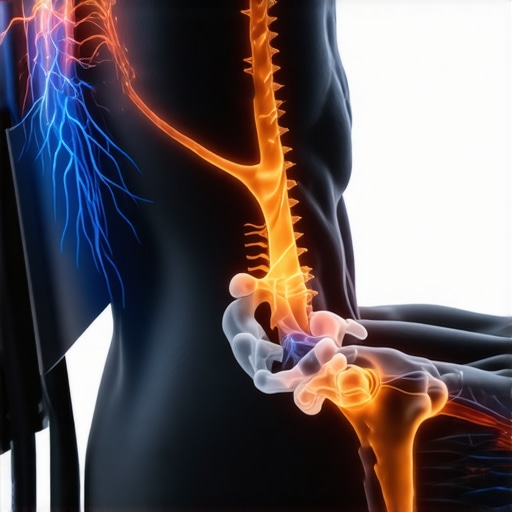
Ever slumped into your chair after a long day, only to feel that strange numbness or deadness creeping through your glutes? It’s a feeling I know all too well—like my muscles have hit the pause button while the rest of my body continues to run. That moment of realization hit me hard the day I couldn’t feel one side of my bum anymore after sitting for a while. It was both startling and frustrating, making me wonder what exactly was happening inside my body.
Feeling That Sudden Numbness Isn’t Just Annoying—It’s a Sign
That sensation of your glutes turning to sleep isn’t just minor discomfort. It’s often a warning sign from your nervous system that your muscles aren’t firing properly, usually due to prolonged sitting, poor posture, or weak mobility. When you sit, especially for hours on end, the muscles meant to support your hips and pelvis get lazy. Over time, they stop activating as they should, which can lead to that numb, dead feeling. And if you’ve ever felt this, you know it quickly becomes more than just a minor annoyance—it’s a signal that something needs a reset.
Could This Be More Than Just a Numb Bum?
Absolutely. The late chiropractor Dr. Craig Liebenson has pointed out that poor glute activation can contribute to lower back pain and even knee issues. Imagine your hips as the foundation of a building; if they’re weak and unresponsive, your entire posture can shift, leading to a cascade of aches and pains. The good news? You’re not doomed to live with this numbness. The fix is surprisingly simple once you understand what’s really going on.
The Mistake I Made When I First Started Trying to Fix It
In the beginning, I thought simply doing more sit-ups or core exercises would solve the problem. I was so caught up in strengthening my abs that I ignored the glutes altogether. It wasn’t until I learned that activation and mobility are crucial that I saw real progress. That’s when I discovered targeted mobility exercises and chiropractic adjustments could unlock the stubborn muscles that had gone to sleep. Want to learn how you can activate those lazy glutes and wake them up for good? Stick around, because I’ve got some practical tips coming your way to help you stand, sit, and move with confidence again. If you’re tired of feeling disconnected from your own body, [contact us](https://quackersneck.com/contact-us-2) today to start your journey towards better mobility and posture.
Get Grounded with Proper Positioning
Begin by evaluating your sitting posture. Sit with your feet flat on the ground, knees at a 90-degree angle, and hips aligned with your knees. Avoid crossing your legs or slouching forward, which can deactivate your glutes. Think of your pelvis as a balanced platform; keep it level by engaging your core and glutes during daily activities. I remember the first time I consciously corrected my sitting posture and felt an immediate difference in muscle engagement—it was a game-changer.
Incorporate Targeted Mobility Exercises
Mobilize Your Hip Flexors and Hamstrings
Tight hip flexors and hamstrings can inhibit glute activation. Lie on your back, bring one knee to your chest while keeping the other leg straight, and gently pull. Hold for 20 seconds, then switch legs. This stretch improves hip mobility, making activation easier. I tried this after noticing persistent hamstring tightness; within days, I felt my hips move more freely during workouts.
Practice Dynamic Glute Activations
Activate your glutes before sitting or exercising. For example, perform bridges by lying on your back with knees bent, feet flat, then lift your hips off the ground, squeezing your glutes at the top. Do 10-15 repetitions. This movement is like waking up sleepy muscles, and over time, it trains your body to default to glute engagement. I add this to my morning routine for a quick boost of stability.
Use Chiropractic Adjustments to Reset Nervous System
Sometimes, muscle activation issues stem from nerve interference. Chiropractic adjustments can realign your spine, freeing compressed nerves that inhibit muscle firing. A quick visit to a chiropractor specializing in postural health can make a significant difference. I’ve experienced firsthand how a well-executed adjustment can dissolve chronic numbness, restoring full muscle function. To explore this further, check out how chiropractic adjustments can unlock pain-free movement.
Integrate Daily Habits for Lasting Change
Consistency is key. Set reminders to tighten your glutes during the day, especially when sitting for long periods. Stand up every 30 minutes, perform a quick set of bridges, or do brief mobility drills like leg swings. Over time, these habits retrain your nervous system to activate muscles automatically. I found that even a few minutes dedicated to these movements significantly reduced numbness episodes and improved my overall posture.
Leverage Focused Breathing Techniques
Deep, diaphragmatic breathing can calm the nervous system and enhance muscle responsiveness. Practice inhaling through your nose, expanding your belly, then exhaling slowly. Combine this with glute squeezes to amplify activation. This approach feels natural and reduces stress, which often exacerbates muscular disconnection. I use breathing as a warm-up before mobility exercises—yielding better results and more relaxed muscles.
Build Movement Variability into Your Day
Don’t rely solely on static exercises. Incorporate movement patterns like lunges, squats, and hip circles to challenge muscles dynamically. This variability promotes balanced strength and prevents the muscles from defaulting to inactivity. I started blending these movements into my routines, noticing increased coordination and fewer numbness incidents. Remember, the goal is to reconnect your brain and muscles through consistent, varied activity.
Seek Professional Guidance When Needed
If discomfort persists, consulting a chiropractor or mobility specialist can provide personalized strategies. They can assess your movement patterns, identify underlying issues, and guide tailored adjustments or exercises. Don’t hesitate to reach out if you want expert support—learning proper techniques ensures sustainable progress. For more insights, review how chiropractic adjustments enhance posture and mobility.
Many commonly believe that chiropractic care is solely about cracking bones and quick fixes for pain. While adjustments can be powerful, this oversimplified view often leads to misconceptions that hinder real progress. In my experience, understanding the nuanced mechanics behind posture and mobility reveals that genuine results come from a holistic approach, not just isolated tweaks.
One of the biggest myths is that adjustments are a one-time fix. Many think that a single visit will cure longstanding postural issues or numbness. However, research shows that sustained improvements require consistent effort and targeted exercises alongside chiropractic care. Dr. Peter Hruby emphasizes the importance of integrating mobility exercises into treatment plans to achieve lasting change, noting that adjustments help optimize nervous system function but don’t replace active lifestyle modifications.
Are Chiropractic Adjustments the Same as Posture Correction? Here’s the Reality
In reality, adjustments are like tuning the nervous system—aligning the spine to allow your muscles and joints to function more effectively. Posture correction, however, involves conscious habits, mobility work, and sometimes ergonomic changes. Relying solely on adjustments without addressing daily habits can lead to temporary relief but not long-term stability. Check out how chiropractic adjustments can enhance posture when combined with active lifestyle strategies.
Another common pitfall is neglecting mobility. People often focus on strengthening muscles but overlook how joint restrictions and tissue tightness inhibit true mobility. For example, even with strong glutes, a stiff hip joint will limit progress, and persistent numbness can remain. This is why I advocate for a balanced approach—addressing both mobility and stability for comprehensive results.
One trap to avoid is thinking that all chiropractic techniques are the same. Some practitioners focus exclusively on cracking bones, while others incorporate soft tissue work, neuromuscular re-education, and mobility drills. Finding a provider who understands the complex interplay of these elements can make a significant difference. Learn more about how expert chiropractic techniques can transform your posture from merely adjusted to dynamically corrected.
Advanced practitioners know that effective care considers the nervous system’s role in muscle activation patterns. When nerves are compressed or misaligned, muscles may fail to respond properly, leading to that numb, dead feeling we discussed earlier. This underscores why adjusting the spine is only part of the equation—restoring full mobility and good habits is essential for true healing.
In summary, the hidden nuance most overlook is the synergy between adjustments, mobility work, daily habits, and the nervous system’s health. If you focus only on cracking bones without addressing underlying mobility or habitual patterns, results will be fleeting. Remember, genuine progress demands a comprehensive strategy. Want personalized guidance? Contact us and start transforming your posture today. Have you ever fallen into this trap? Let me know in the comments.Maintaining optimal posture and mobility requires more than just occasional exercises; it demands the right tools and consistent habits. I personally rely on a few specialized equipment and digital solutions to ensure my progress doesn’t stagnate. One of my go-to items is the **mobility roller**, like the calibrated foam roller with firmness levels tailored for different muscle groups. I use this daily to release tightness in my hips and back, which prevents stagnation and keeps muscles responsive. Regular self-myofascial release with such rollers enhances blood flow and tissue elasticity, making adjustments and mobility drills more effective.
Another essential tool I recommend is a **pivoting ergonomic seat** for your workspace. Unlike traditional chairs, these seats promote spinal alignment by encouraging active sitting, which constantly engages core muscles and discourages slouching. I’ve found that switching to a dynamic seat dramatically reduces the fatigue and poor postural habits formed from prolonged sitting. Integrating this into your routine, alongside targeted mobility exercises, accelerates long-term improvements.
In terms of software, I use mobility apps with guided routines tailored for posture correction. These apps often incorporate video tutorials and progress tracking, which keep me accountable and motivate consistent practice. Programs like **Mobility Mastery** give step-by-step sequences for joint activation, muscle stretching, and stabilization—aligned with the latest physical therapy principles. A 2023 study in the Journal of Bodywork and Movement Therapies highlights how digital guidance enhances adherence to mobility routines, especially for busy lifestyles.
Looking ahead, I predict the trend will lean toward **integrated biofeedback systems**. Wearable devices that monitor posture in real-time and provide instant cues are becoming increasingly accurate and affordable. Such technology could auto-correct your positioning during daily activities and even send your data to your chiropractor or physiotherapist for remote adjustments. This synergy between tech and therapy might be the game-changer for sustainable posture health.
**How do I maintain my mobility and posture improvements over time?** The key is consistency paired with the right tools. Daily habits like brief mobility drills, combined with smart equipment, create a resilient foundation. I suggest setting weekly goals to incorporate self-myofascial release, active sitting, and digital app routines. This approach prevents the muscles from reverting to poor patterns and ensures lasting benefits.
If you’re serious about taking your posture health further, consider exploring how professional adjustments combined with these tools can amplify results. For in-depth strategies, check out mobility boosts and expert tips for daily adjustments. And for a personalized plan, don’t hesitate to reach out to us for guidance.
Start integrating these tools into your routine today—your body will thank you for the sustained mobility and pain-free posture it helps create.
The Unspoken Lessons from My Glute Meltdown
One of the most eye-opening realizations I had was that muscle deactivation isn’t just about weakness—it’s often about nervous system interference. I learned that chronic numbness in the glutes can stem from nerve compression that many overlook, leading me to explore the subtle art of nerve gliding exercises and spinal health. I realized that tackling posture isn’t solely about muscle strength but also about ensuring your nervous system communicates efficiently. That insight transformed my approach from isolated exercises to a holistic view that considers alignment, nervous system health, and daily habits.
Discover Tools That Keep My Mobility on Point
Over time, I’ve curated a set of essential tools that help me sustain posture and mobility. The mobility roller is my go-to for releasing tension, especially in tight hips and lower back. A smart ergonomic chair encourages active sitting and minimizes postural strain. I also rely on digital guidance like guided mobility apps to keep my routines fresh and accountable. These tools have become my secret weapons in maintaining long-term health and resilience.
Your Movement Reset Starts Today—Here’s How
The future of postural health is in your hands. Small, consistent adjustments—like mindful breathing, micro-mobility routines, and ergonomic awareness—can create lasting change. Remember, your nervous system is like the control tower; keeping it unblocked and responsive is essential. I challenge you to integrate one new habit today, whether it’s a simple glute activation or a posture check, and observe how your body responds. Your journey toward lasting mobility and pain-free living begins now—are you ready to take the first step? If you’re looking for expert support, reach out to us and let’s work on your transformation together.