
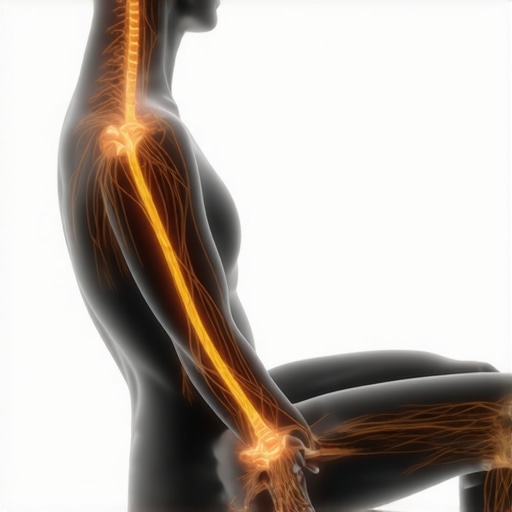
Last week, I caught myself sitting perfectly upright at my desk, shoulders back, chest open—yep, the classic good posture. But within minutes, that familiar numbness started creeping through my neck and down my arm. It was one of those lightbulb moments where I realized: I was doing everything ‘right,’ yet I still felt that uncomfortable nerve pressure. That paradox kept me pondering—could *good* posture actually be making my nerve pain worse?
This isn’t a rare experience. Many people fall into the trap of believing that simply sitting or standing straight is enough to protect their spine. But as I’ve learned through years of personal and professional practice, what looks right on the surface doesn’t always translate to health beneath. Sometimes, my attempts at perfect posture inadvertently add pressure on nerves, leading to nerve tension, tingling, or even chronic discomfort.
Today, I want to help you untangle this confusing web. We’ll explore why what you consider good posture might actually be contributing to nerve pressure, and I’ll share practical strategies that transformed my own experience. If you’ve spent hours trying to sit ‘correctly’—only to feel worse—then you’re in the right place.
How ‘Good’ Posture Can Become a Hidden Nerve Culprit
Sometimes, in our quest for alignment, we forget that the body is a dynamic system, not a rigid statue. Your muscles, joints, and nerves thrive on mobility, flexibility, and balanced tension. When this balance is disrupted—say, by overcorrecting your sitting position—you might unknowingly stretch or compress nerves.
Early on, I made a critical mistake: I prioritized visual straightness over how my body actually moved and felt. I ignored signals and kept pushing for ‘perfect’ posture, assuming it would eradicate my pain. Instead, I learned that aggressive postural corrections could tighten muscles and compress nerves at points of vulnerability.
Research confirms that maintaining a static, rigid posture can increase nerve tension, especially if we’re not moving enough throughout the day. For example, too much forward head posture or locking joints can create nerve pressure, leading to sensations like numbness or tingling—often misattributed to muscle strain alone.
If you’ve been obsessing over perfecting your posture without addressing mobility and nerve health, you might be missing the root cause. Keep reading, because I’ll share effective ways to foster more natural, dynamic postures that actually support your nerves rather than pressuring them.
Ready to discover how to break free from this cycle? Let’s dive into practical, actionable steps that help your body stay healthy, mobile, and pain-free.
Is Your Posture Really the Issue or Is Something Else Going On?
Before we jump into solutions, I want to acknowledge a common skepticism: “Is improving my posture really going to make a difference?” I used to think the same. I believed that if I just sat straight enough, relief would follow. But I learned the hard way that posture alone isn’t the answer—mobility, muscle balance, and nerve health are equally important.
In early attempts to fix my alignment, I overlooked the importance of gentle movement and proper nerve decompression strategies. A simple but impactful mistake! You can learn more about the nuances of posture and mobility in [this detailed guide](https://quackersneck.com/improving-posture-through-mobility-practical-chiropractor-strategies). It’s surprising how small changes in daily movement patterns can significantly reduce nerve pressure and pain.
So, if you’re tired of the cycle of stiff posture and persistent discomfort, stay with me. I’ve been there, and I’ve found practical ways to make lasting improvements.
Start with Gentle Mobilization to Release Nerve Tension
My breakthrough came when I began incorporating gentle movements that focus on releasing nerve pressure. I vividly remember lying on my back, gently rocking my head side to side, and noticing an immediate easing of discomfort. This simple act helps create space around nerves trapped by tight muscles or restricted joints. The key is controlled, pain-free movements that encourage natural mobility rather than forcing your body into rigid positions.
Incorporate Dynamic Stretches Throughout Your Day
Instead of static holding, use dynamic stretches like neck circles, shoulder rolls, and spinal twists. These movements improve blood flow, decrease stiffness, and prevent nerve compression. For example, I started doing 10 shoulder rolls every hour, which significantly reduced my afternoon nerve pins and needles. Daily mobility routines serve as the foundation for sustaining healthy nerve function.
Prioritize Accurate Posture with Mindful Positioning
Achieving better posture isn’t about rigidly sticking to rules but about mindful alignment and comfort. I learned to listen to my body’s signals rather than obsess over perfect angles. For instance, I adjusted my computer monitor to eye level, preventing forward head posture that strains nerves. This small tweak made a drastic difference, reducing nerve tension in my neck and shoulders. Focus on maintaining a position that feels natural while avoiding extremes that stretch or compress nerves.
Use Visual Cues and Support Tools to Maintain Neutral Alignment
Tools like ergonomic chairs and footrests help support optimal posture. A helpful tip I adopted was to sit with my hips slightly higher than my knees, aligning my pelvis to prevent slouching. Proper support encourages your spine to stay in a balanced position, minimizing nerve pressure. Explore sitting habits that contribute to healthy alignment.
Implement Targeted Mobility Exercises to Enhance Flexibility
Specific mobility exercises can decompress nerves and restore balanced tension. One technique I swear by is the Many assume that perfecting posture means holding rigid, textbook-perfect positions constantly. But the truth is, this misconception can do more harm than good. For example, striving for rigidity often leads to excessive muscle tension, which compresses nerves and causes pain. Instead, embracing dynamic movement and mindful alignment supports posture while preventing nerve irritation. Overcorrecting joint positions during adjustments can also be a trap; if a chiropractor focuses solely on ‘aligning’ without considering mobility and soft tissue health, it may limit long-term success. Advanced practitioners recognize that posture is a fluid, adaptive process—not a static stance. They incorporate mobility exercises that relax tense muscles and decompress nerves, rather than just forcing joints into ‘ideal’ positions. Research by Dr. Robin Lloyd emphasizes that improving nerve flexibility and tissue health has a more significant impact than rigid postural corrections alone.
Why does focusing only on alignment often lead to recurring problems?
Because alignment without mobility stifles natural movement patterns, leading to tight muscles and nerve compression over time. The biggest mistake many make is neglecting the importance of soft tissue health and mobility drills that can release trapped nerves and restore function. For comprehensive results, it’s essential to combine gentle mobilization routines—like those detailed in this guide—with mindful corrections. Avoid the trap of thinking adjustments alone fix everything; true improvement depends on fostering a resilient, adaptable body. Want to learn how to integrate mobility into your routine? Visit this resource. Have you ever fallen into this trap? Let me know in the comments.Maintaining optimal posture and mobility over time requires not just awareness but the right tools and consistent routines. One device I personally rely on is the ergonomic balance board. It’s more than just a gym accessory; it actively engages your core muscles during daily activities, preventing the tendency to slump or overextend. By prompting subtle micro-movements, it keeps your spine mobile and reduces nerve pressure—key factors in long-term relief. I incorporate this balance board into my morning routine, which helps set a restorative tone for the day.
Another indispensable tool is my foam roller, but not just for general muscle relief. I focus on specific areas like the thoracic spine and hips, where tightness often leads to poor alignment. Applying controlled pressure with the foam roller releases soft tissue restrictions, supporting better mobility and nerve decompression. Remember, not all foam rollers are equal; I prefer those with a firm density to maintain effective pressure without causing irritation.
And when it comes to software, I highly recommend using biofeedback apps that monitor posture through your smartphone camera. Regularly checking your alignment encourages mindfulness and helps prevent slouching, especially during long work hours. Apps like ‘PostureFix’ provide real-time alerts and tailored exercises, making it easier to integrate healthy habits seamlessly into your day.
As the trend moves toward smart technology integration, future tools may include wearable sensors that detect subtle shifts and send corrective cues directly to your phone. This proactive approach can revolutionize how we maintain spinal health, making interventions immediate and personalized.
How do I keep this momentum going? Consistency is critical. I schedule 10-minute mobility sessions twice daily, focusing on targeted exercises that address my unique postural needs—think shoulder fibroblasts, neck stretches, and deep diaphragmatic breathing. For example, integrating mobility exercises like these has been a game-changer.
To really make these tools work for you, I challenge you to pick one device—perhaps the balance board or biofeedback app—and commit to using it consistently for a week. Notice how it influences your posture awareness and comfort. Remember, the key to lasting results isn’t just selecting the right tools but weaving them into your daily habits. If you’re ready to optimize your approach further, visit our contact page for personalized guidance. Stay proactive—your future self will thank you.
Lessons That Changed My Approach to Posture and Nerve Health
One of the most eye-opening realizations was understanding that rigidly fixing my posture often tightened muscles and increased nerve pressure, rather than alleviating discomfort. I learned to listen more to my body’s signals rather than obsess over perfect alignment, emphasizing mobility and gentle movement instead of forceful corrections.
Another insight was the importance of integrating soft tissue health into posture improvement—things like targeted foam rolling and mindful stretching made a huge difference in releasing trapped nerves and restoring natural movement. I now see that posture is a fluid, dynamic quality, not a static stance.
The third lightbulb moment came from recognizing that mobility routines and supportive tools, such as balance boards and biofeedback apps, serve as proactive measures that keep the body resilient over time. They help prevent nerve tension from creeping back, fostering long-term health instead of short-term fixes.
My Go-To Resources for Posture and Mobility
For deep understanding, I highly recommend this comprehensive guide which distills practical strategies integrating mobility and posture corrections. It’s helped me reshape my approach.
Books like Becoming a Supple Leopard by Dr. Kelly Starrett have profoundly influenced my view on movement quality and soft tissue care. They emphasize that mobility work is essential for sustainable posture improvements.
Practitioner tools such as biofeedback posture apps, like ‘PostureFix’, have been game-changers by providing real-time cues, making mindful adjustments effortless in everyday life. These resources combine to create a personalized, effective toolkit that nurtures body health.
Embrace Your Journey and Stay Curious
The journey to better posture and nerve health isn’t about perfection—it’s about progress and patience. Remember, small consistent changes, like mindful movement and gentle mobility exercises, build a resilient foundation. Your body is adaptable; with the right approach, relief and vibrant well-being are within reach. Are you ready to challenge the myths about perfect posture and discover what truly works for you? Share your experience below—have you found certain movements or tools that made a difference?