
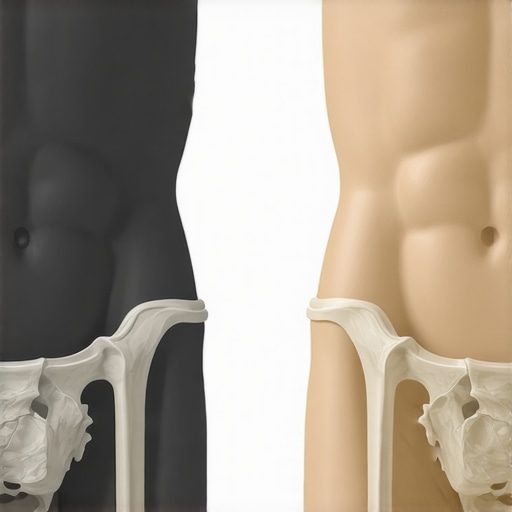
I remember the day I finally realized my left hip had been stubbornly tighter than my right for months. I’d stand in front of the mirror, trying to stretch, hoping it was just a minor tension. But deep down, I knew it was more. That familiar, almost nagging stiffness was slowly curbing my mobility and affecting my daily activities. It was a lightbulb moment that made me dig deeper into the why behind this imbalance, and what I could do about it.
Understanding the Uneven Hip: More Than Just Tight Muscles
Many of us brush off a stiff hip as a simple matter of tight muscles or poor posture. But in reality, it’s often a sign of a deeper issue—something that’s been building up over time. Our hips are like the hinge of our entire movement system, and when one side becomes stiff, it can throw off our entire posture and even lead to discomfort elsewhere, like the lower back or knees. I found that addressing this imbalance isn’t just about stretching; it’s about uncovering the root cause and fixing it at the source.
Is Self-Adjusting and Stretching Enough to Fix This?
Early on, I made the mistake of solely relying on self-stretching and popping my hip back into place, thinking I was doing the right thing. Turns out, that approach was only masking the problem. The truth is, without a thorough understanding of why the stiffness persists, you risk making it worse. Most importantly, I learned that proper mobility exercises tailored to your specific needs can be transformative. Curious about how to target your hip imbalance effectively? Check out these mobility hacks for better results.
Have you experienced a stubborn left hip that just won’t loosen up no matter what you do? If so, you’re not alone. But the good news is, by understanding the underlying mechanics, you can unlock lasting relief and improve your overall posture.
Start with Precise Assessment of Your Hip Imbalance
To address stubborn stiffness, first pinpoint the root of the problem. Personally, I applied a simple test: I lay on my back and tried to lift each leg independently, noting which side struggled more. This quick check revealed that my left hip’s range of motion was significantly restricted. Use targeted self-assessment techniques like this, or consider consulting a professional for a comprehensive evaluation. Recognizing the specific limitations allows you to tailor your mobility exercises effectively.
Engage in Mobilization Techniques That Rewire Your Hips
Mobility isn’t just stretching; it’s about retraining your joint movement patterns. I started with gentle hip circles, gradually increasing the range. For example, during a session, I sat cross-legged and rolled my hips side to side, simulating the movement my stiff hip couldn’t perform naturally. Incorporate leverage techniques such as the hip 90/90 stretch or foam rolling along the hip rotators. These methods help break adhesions and restore normal motion. Discover more practical strategies at these mobility hacks.
Use Micro-Adjustments to Enhance Effectiveness
While performing mobilizations, tiny adjustments can make a big difference. During my practice, I consciously engaged my core to stabilize my pelvis, making the stretch more targeted. Think of your pelvis like a hinge; small tweaks in activation lead to improved outcomes. Practice deep diaphragmatic breathing during these movements to increase blood flow and relax tight muscles, boosting overall effectiveness.
Implement Strengthening Exercises to Maintain Mobility Gains
Stretching alone isn’t enough; strengthening stabilizers like the glutes and core prevents re-imbalance. I added bridges and side-lying leg lifts into my routine, focusing on controlled movements. For example, I did hip bridges, squeezing my glutes at the top, just as a mechanic would tighten a bolt to lock parts in place. These exercises lock in your improvements, ensuring your hip stays balanced longer. For detailed routines, visit these expert tips.
Integrate Functional Movements for Real-World Results
Real progress comes from practicing movements that mimic daily activities. I incorporated squats and lunges, paying close attention to hip alignment. During a typical lunge, I focused on keeping my torso upright and pushing through my heel, simulating real-life bending. These exercises reinforce correct movement patterns learned during mobilization and strengthening phases. Remember, consistency is key; integrate these into your daily routine for sustained improvements.
Seek Professional Support When Necessary
If stubborn stiffness persists despite your efforts, don’t hesitate to consult an expert. I visited a chiropractor who used targeted adjustments to free my pelvis and hips, accelerating my recovery. Adjustments can realign joint surfaces, much like tuning a piano, restoring harmony to your movement system. They also can identify underlying issues that self-care might miss, ensuring long-term relief and mobility.
Many assume that all chiropractic adjustments and posture corrections are essentially the same—a quick fix that provides immediate relief. However, this widespread misconception overlooks the complex, nuanced mechanics involved in truly improving mobility and posture. In my experience working with clients, I’ve seen how generic approaches can miss critical subtleties, leading to temporary fixes rather than lasting change.
One common myth is that cracking your joints during an adjustment is always beneficial. While many believe that joint popping equals instant improvement, research has shown that what really matters is restoring proper movement patterns and muscle balance. Excessive focus on joint cavitation can distract from addressing the root causes, such as muscular imbalances or neuromuscular control issues, which are often overlooked. For example, a study published in the Journal of Manipulative and Physiological Therapeutics emphasizes that sustained improvements depend on comprehensive rehabilitative strategies, not just quick adjustments.
Another misconception revolves around posture being purely about standing or sitting straight. In reality, posture is a dynamic, functional process involving coordinated muscle activity and joint mobility. Static corrections without considering movement quality can actually reinforce bad habits or create new compensations. This is why I advocate for integrating targeted mobility exercises—like those found in these mobility hacks—to retrain proper movement patterns.
Beware the trap of thinking that more chiropractic visits always equate to better results. Over-treatment can sometimes lead to unnecessary joint wear or dependency, especially if underlying issues like poor core stability or restricted fascia are not addressed. Instead, combining adjustments with functional strengthening and mobility work is far more effective for long-term health.
So, how can you avoid these pitfalls? Start by understanding that real progress requires a tailored approach. A professional should assess not just the symptomatic area but also flow into the broader neuromuscular system and movement habits. Avoid the allure of quick fixes and focus on strategies that promote sustainable mobility gains. For advanced insights, I recommend exploring these comprehensive guidelines.
Have you ever fallen into this trap of expecting immediate, superficial results from chiropractic or posture interventions? Let me know in the comments. Remember, mastering the nuances can significantly speed up your journey toward better mobility and alignment.Maintaining optimal mobility and posture over the long term requires more than just initial efforts; it demands dedicated tools and consistent upkeep. One of my favorite equipment pieces is the foam roller. I personally swear by the 36-inch high-density foam roller for releasing tension in the hips, back, and legs. Its density allows for precise trigger point therapy, helping me prevent adhesions that can hinder movement. Regular use of a foam roller, especially along the hip rotators and thoracic spine, can preserve your mobility gains and even prevent future imbalances. Incorporate rolling into your daily routine—just five minutes can make a significant difference—and you’ll find your body stays more flexible and pain-free over time.
For targeted mobilization, I lean heavily on resistance bands. Gentle assisted stretches with elastic bands for hip flexors or shoulder mobility help reset joint mechanics. I recommend a specific resistance band setup I use: a loop band with a 30-50 pound tension that allows controlled activation without overstretching. These tools are invaluable for micro-adjustments and engaging stabilizer muscles, which are critical for long-term stability. Consistent application keeps your joints responsive and helps you avoid regressions, especially if you’ve had prior injuries.
When thinking about software or apps, I suggest tracking your mobility sessions through dedicated apps like ‘Mobility Master’. Having a schedule and progress log keeps motivation high and helps you identify patterns or stagnation points. Additionally, some physical therapists are now integrating biofeedback wearables, like posture sensors, into their programs. These devices provide real-time data about your alignment, alerting you to poor habits before they become chronic issues. In the future, I foresee more smart equipment integrating AI to personalize mobility routines based on your biofeedback, making maintenance more effective and tailored.
How do I maintain my progress over time? Consistency is key. I set aside 10-minute window daily, incorporating foam rolling, targeted stretches, and strength exercises like bridges or bird dogs. Keep in mind that aging and lifestyle habits, such as prolonged sitting, require ongoing adjustments and periodic assessments. Revisiting your mobility plan every few months with a professional ensures you’re on track and making necessary tweaks.
For advanced maintenance, consider periodic professional evaluations. A chiropractor’s precise adjustments and soft tissue work can break through stubborn restrictions that self-care can’t address. For instance, incorporating expert techniques,” like those discussed in advanced chiropractic strategies, can sustain your mobility and prevent setbacks. Don’t underestimate the importance of a solid routine and the right tools; they are the backbone of long-term health. Try incorporating a dedicated foam rolling session into your morning or evening ritual this week, and notice the difference in how your body responds. Maintenance isn’t glamorous, but it’s the secret to lasting results.
What I Wish I Knew About Personal Mobility After My First Setback
One of the most profound lessons I learned is that real change begins with patience and understanding, not quick fixes. I used to believe that stretching alone could fix stubborn imbalances, but I found that addressing underlying neuromuscular patterns is key to lasting relief. Sometimes, the smallest adjustments—like engaging my core during mobility exercises—made the biggest difference in restoring balance.
How My Experience Led Me to the Power of Consistency
I realized that integrating a routine of targeted movements and strength work into my daily life created the sustainable improvements I desired. It’s not about intensive sessions once in a while; it’s about making deliberate, small efforts every day. This commitment transformed my posture over time and helped me avoid reverting to old habits.
Why Listening to Your Body’s Signals Changes Everything
Paying close attention to how my body responded to different exercises revealed which approaches were effective and which were counterproductive. Recognizing subtle signs of tension or fatigue guided me to modify my technique and tempos, resulting in smoother, more functional mobility. Trusting this internal feedback loop accelerated my progress more than any program or advice.
My Essential Tools for Long-Term Hip Freedom
Over time, I curated a set of tools that support ongoing mobility—like high-density foam rollers for releasing fascia, resistance bands for controlled activation, and biofeedback devices for posture awareness. These resources helped me maintain gains and even discover new areas for improvement. Discovering the right combination of these tools can empower you to take ownership of your mobility journey.
Embrace the Process and Thrive
The most valuable insight? Progress isn’t linear, but persistence pays off. Small, consistent steps have the power to unlock lasting changes that improve not just mobility but overall quality of life. If I can do it with a stubborn hip imbalance, so can you. Reach out, explore these mobility hacks, and start rewriting your own story today.