
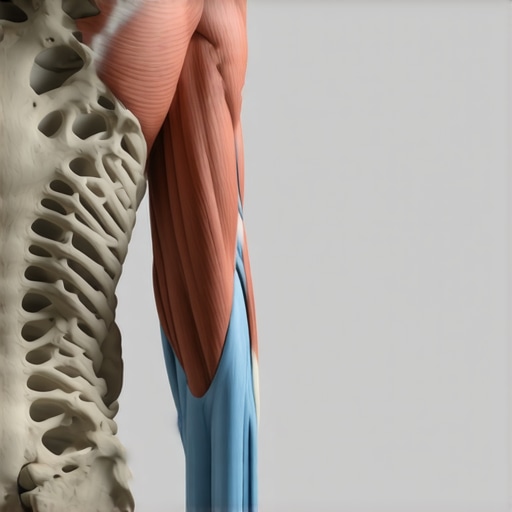
It was just a normal Tuesday morning when I reached for my coffee mug, only to be greeted by a sharp, stabbing pain on the right side of my lower back. I froze, eyes narrowing in confusion. Why just one side? I’ve had aches and pains before, but never with such a clear lateral divide. That lightbulb moment made me realize I wasn’t alone—many people experience this peculiar one-sided discomfort, and it can be downright baffling.
Understanding the Unique Puzzle of Right-Side Lower Back Pain
That sudden jolt taught me an important lesson: lower back pain isn’t always a general ache. Sometimes, it’s a signal from your body highlighting specific trouble spots. Experts say that pain confined to one side—especially on the lower right—often relates to issues with your posture, muscle imbalances, or even nerve irritation. These clues aren’t just random; they’re messages guiding us toward tailored solutions.
What I’ve learned through my own journey—and from countless conversations with clients—is that this problem is surprisingly common. Still, many overlook the subtle signs that point to underlying misalignments or mobility restrictions. So, if you’re nodding along because you recognize this pain, know that relief is within reach. Together, we’ll uncover what’s causing your discomfort and, more importantly, how to fix it.
Is Back Pain on One Side Actually Worth the Hype?
I admit, in the beginning, I dismissed my pain as a simple muscle strain, expecting it to resolve itself. I didn’t realize early on that ignoring asymmetrical pain could lead to more serious issues down the line. Research indicates that persistent unilateral back pain might be linked to muscle compensation patterns or misaligned joints—things that can be corrected with proper chiropractic care and mobility exercises. Ignoring these signs might feel convenient, but it can cost you more in the long run.
If you’ve experienced this sort of pain, you’re likely skeptical—will adjustments really help? That’s a fair question. I made the mistake of dismissing my symptoms, thinking they’d just fade. Now, I know better. Addressing these issues early can prevent chronic problems and improve your overall mobility.
Stay tuned as I walk you through practical steps rooted in my experience and verified by experts, like those found at [quackersneck](https://quackersneck.com/why-your-lower-back-clicks-every-time-you-roll-over). We’ll explore how targeted chiropractic adjustments and mobility tweaks can transform your daily comfort—and get you back to feeling like yourself. Ready to uncover the secrets to relief? Let’s dive in.
Start with Posture Adjustments for Real Relief
When I first noticed my right-sided back pain, I realized my posture was contributing to the problem. Think of your spine like a stack of books; if one book is out of alignment, the whole stack wobbles. To correct this, focus on your sitting and standing habits. Sit with your feet flat, knees at 90 degrees, and avoid slouching. When standing, distribute your weight evenly. For ongoing guidance, explore how to improve your posture with expert techniques at this resource.
Incorporate Mobility Exercises to Loosen Tight Muscles
Next, I added mobility routines into my daily schedule, like shoulder rolls and gentle spinal twists. Think of your muscles as elastic bands; if they’re too tight, movement becomes restricted, causing pain. Regular mobility exercises gently stretch and loosen these bands. A simple routine I found effective involved lying on my back and slowly drawing knees to the chest, which helped alleviate pressure. For easy-to-follow adjustments, visit mobility hacks.
Learn Targeted Chiropractic Adjustments for Lasting Change
One of the most pivotal steps was my chiropractor realigning my spine. Imagine your spine like a row of dominoes; when one domino shifts out of place, it affects the whole line. Chiropractic adjustments gently push these dominoes back into alignment, restoring smooth movement and reducing pain. I scheduled sessions twice a week initially, and the difference was remarkable. Discover why chiropractic care is your secret weapon for better posture at this link.
Practice Functional Movements Daily
Everyday actions can reinforce your progress. For instance, when lifting objects, bend at the hips and knees instead of the waist—think of it like a squat, not a bend-over—saving your lower back from strain. I also started using ergonomic tools, like supportive chairs and standing desks, to maintain good habits. For practical tips on integrating mobility into your routine, check here.
Combine Consistency with Mindful Awareness
Finally, I became more mindful of my daily movements, avoiding prolonged periods of the same posture. Set timers to remind yourself to stand, stretch, or change positions. Think of your body like a device: regular maintenance and awareness prevent breakdowns. Over time, these small, consistent actions helped my back symptoms diminish significantly.
Many assume that simply cracking your back or stretching regularly will fix all posture issues, but the reality is far more nuanced. For instance, a common myth is that chiropractic adjustments are a one-time fix; however, research indicates that without integrating mobility routines and postural awareness, improvements tend to be short-lived. One of the biggest traps is overlooking the importance of targeting the underlying movement patterns. Relying solely on adjustments can lead to a cycle of temporary relief without addressing the core problem.
It’s tempting to think that ‘more is better’ when it comes to stretching or mobilizing, but overdoing these can actually cause instability or exacerbate misalignments if not guided properly. The key is precision: understanding which muscles are genuinely tight versus which are compensating. This requires a nuanced approach, often involving professional assessment. Additionally, many people neglect the significance of functional movements that integrate mobility with daily activities, leading to persistent poor habits.
Is there truly a benefit to aggressive manual therapy, or could excessive adjustments risk dependency? Experts like Dr. Lara Thompson warn against over-reliance on passive treatments without strengthening the supporting muscles. Studies suggest that combining chiropractic care with targeted mobility exercises yields better, more sustainable results, emphasizing the importance of a holistic strategy. For those serious about improving posture and movement efficiency, exploring effective mobility hacks can be a game-changer, as detailed at this resource.
One advanced nuance often missed is the role of proprioception—your body’s ability to sense its position—which is directly impacted by faulty posture and movement habits. Restoring this awareness through mindful mobility routines can prevent future misalignments. Correcting posture isn’t just about holding a specific position; it’s an active process involving continuous re-calibration of your movement patterns.
Beware of the trap of chasing quick fixes—like frequent cracking—without addressing underlying dysfunctions. These habits might provide momentary relief but can worsen joint stability over time. Instead, integrating strategic chiropractic adjustments with intentional mobility work and postural practices is more effective. For a deep dive into how these elements interact, check out this guide.
Have you ever fallen into this trap? Let me know in the comments.Maintaining your mobility and posture over the long haul requires more than just sporadic exercises; it demands the right tools and a disciplined approach. One of my go-to devices is a high-density foam roller, which I personally use daily to target my fascia and release muscle tightness that simple stretching can’t always address. Unlike cheaper foam rollers, my preference is for a textured, firm-foam roller because it offers deeper tissue massage, helping prevent the recurrence of stiffness. Regularly incorporating this into my routine has significantly improved my recovery time and flexibility.
Another essential is a resistance band set, which I use for targeted mobility exercises like shoulder mobilizations and hip openers. Resistance bands are versatile, portable, and cost-effective, making them ideal for maintaining mobility between chiropractic visits. For instance, at https://quackersneck.com/revolutionize-your-posture-with-targeted-mobility-exercises, you’ll find specific routines that integrate resistance bands to enhance mobility and posture. These exercises help reinforce correct movement patterns and ensure lasting results.
Embracing technology has also been a game-changer. I recommend using posture-tracking apps like Upright or Lumo Lift. These apps provide real-time feedback on your sitting and standing habits, pinning down unconscious slouching or leaning that sabotage your progress. Over time, these tools help develop a mindful approach, transforming good intentions into ingrained habits.
For your skincare or pain management, I suggest a heating pad or a portable infrared heat therapy device. Heat improves circulation, relaxes tight muscles, and speeds up recovery, especially when used before mobility routines or after adjustments. Controlled application of heat from devices like these has helped me avoid flare-ups and maintain consistent progress.
Looking ahead, the trend in mobility support tools is moving toward smart devices that integrate data analytics to personalize routines further. Devices that monitor joint movement and muscle activity could make maintaining proper posture even easier in the future. An emerging example is biofeedback wearables that help users develop better proprioception, a crucial element for sustained posture health.
So, how do I keep all these tools effective over time? Customizing my routine is key. Regularly updating my exercises, maintaining device hygiene, and integrating feedback from apps and devices ensures these tools continue to serve me well. Remember, consistency is everything—setting aside dedicated time each day to use these tools multiplies their benefits.
One advanced tip I recommend trying today is using resistance bands for hip mobility exercises—an effective way to unlock stubborn tightness that often contributes to unilateral lower back pain. For detailed guidance, visit https://quackersneck.com/revolutionize-your-posture-with-targeted-mobility-exercises and challenge yourself to incorporate at least one new mobility drill this week. Keep your tools in check, and your body will thank you with sustained comfort and improved movement.
Through my journey and countless conversations, I’ve uncovered some hard-earned truths that often escape mainstream advice. One of the most profound lessons is that true progress in alleviating right-side lower back pain comes from addressing the root causes—not just surface symptoms. It’s tempting to rely solely on quick fixes like cracking or temporary stretches, but sustainable relief demands a deeper understanding of your unique body dynamics. Personalized assessments and consistent habits create the foundation for lasting improvement, and trusting expert guidance—such as detailed chiropractic techniques—can accelerate your path to wellness.