
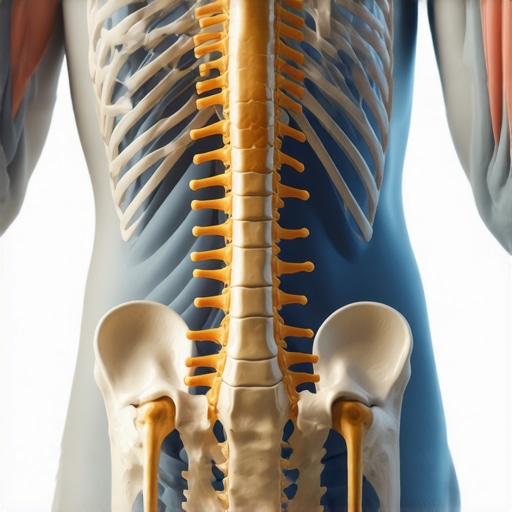
I remember the moment it dawned on me—every time I stood up from my desk, that unmistakable pop in my lower back echoed, almost like a mini fireworks show inside my spine. It was loud, startling, and honestly, pretty annoying. At first, I thought it was harmless, just a normal part of aging or maybe a sign I needed to stretch more. But as those pops became more frequent and the discomfort lingered, I knew I had to find out what was going on.
Many of us experience this phenomenon—your lower back pops or cracks every time you get up, and it can leave you wondering if something’s seriously wrong. You’re not alone. I’ve been there too, feeling frustrated because no matter how much I stretched or adjusted my posture, the popping persisted. That’s when I started digging into the root causes and discovering simple, effective solutions. Today, I want to share what I’ve learned so you don’t have to keep guessing.
Understanding the Why Behind the Pop
The truth is, that popping sound isn’t usually a sign of something dangerous. It’s often caused by small gas bubbles forming and releasing within the joint fluid—kind of like the bubbles in soda after a shake. When you get up, the joint surfaces move, and these bubbles burst, creating that familiar crack or pop. But if it’s accompanied by pain or stiffness, chances are your body is telling you something more.
Many factors can contribute—muscle tightness, joint misalignments, or altered movement patterns. I used to overlook the importance of mobility exercises, thinking they were just about stretching. But after incorporating targeted mobility hacks and adjustments, I noticed not only the pops decreased, but overall back health improved significantly. Curious? You can explore easy adjustments to boost your mobility and reduce discomfort by visiting [Mobility Hacks for Better Movement](https://quackersneck.com/mobility-hacks-simple-adjustments-for-a-more-active-life).
**Have you experienced persistent lower back popping that doesn’t seem to go away?** If so, this post is about to change how you see and handle your back pops—turning them from signals of concern into cues for smarter movement and care.
Is Your Back Popping Actually Worth the Hype?
Early in my journey, I made the mistake of ignoring specific cues my body was giving me—thinking that all pops were harmless. It wasn’t until I learned how improper posture and neglecting mobility could turn minor annoyances into chronic issues that I realized I was heading for trouble. Trust me, addressing these small signs early can save you from bigger problems down the line. For instance, proper chiropractic techniques can be a game-changer [here](https://quackersneck.com/why-chiropractic-care-is-your-secret-weapon-for-better-posture). So, next, let’s unravel the real reasons your back pops—and what you can do about it.
Get Moving: The First Step
Begin by assessing your daily habits. I recall one morning, I felt particularly stiff after sitting for hours. I decided to stand up and gently rotate my hips side to side, like a slow dance move. This simple motion sparked my interest in mobility exercises. Start with gentle exercises such as hip circles or shoulder rolls to loosen tight joints. These movements help break up stiffness and prepare your spine for better function. Visit Mobility Hacks for Better Movement for easy routines you can do daily.
Target Muscle Tightness and Imbalances
Muscle tightness often pulls joints out of alignment, leading to those annoying pops. To tackle this, incorporate targeted stretches and self-myofascial releases. For example, mymeself-massage with a foam roller on your lower back or hamstrings can work wonders. Remember, tight hip flexors can cause your pelvis to tilt forward, increasing lower back strain. I experimented with this after a long desk session, applying a foam roller across my hips, which resulted in noticeable relief. Discover more at Targeted Mobility Exercises.
Perfect Your Posture Throughout the Day
Good posture acts like an anchor, keeping your spine aligned during daily activities. Be conscious of how you hold your phone or sit at your desk. I once caught myself slouching during a frustrating work call, which immediately caused a pop in my lower back. To counteract this, set reminders to check your posture and make minor adjustments. Using ergonomic tools or standing desks can help maintain proper alignment. For practical tips, see Posture and Mobility Strategies.
Incorporate Chiropractic Adjustments to Reset Your Spine
If persistent pops or discomfort linger, professional chiropractic adjustments can restore alignment. Think of your spine as the hinges of a door—misaligned hinges cause squeaks and stiffness. I experienced this firsthand after neglecting my posture, and a quick visit to my chiropractor made a significant difference. Regular adjustments aren’t just for pain—they promote optimal joint function and prevent future issues. Explore how adjustments can help you at Chiropractic Adjustments for a Pain-Free Life.
Maintain Consistency with Daily Habits
Finally, consistency is key. Incorporate mobility exercises, posture checks, and occasional chiropractic visits into your routine. A steady practice keeps your joints lubricated and muscles balanced, reducing the frequency of those disruptive pops. My success came from committing 5-10 minutes daily to mobility drills, like the ones described in Mobility and Posture Techniques. Over time, I noticed increased flexibility and fewer pops, making me feel more confident moving through my day.
Many individuals believe that chiropractic care is solely about cracking bones to relieve pain. However, this misconception overlooks the deeper, more nuanced aspects of spinal health and mobility. A common myth is that adjustments are a quick fix or that once the pain disappears, the problem is solved. In reality, effective correction involves understanding movement patterns, muscular imbalances, and the body’s adaptive responses. Relying only on periodic adjustments can lead to a false sense of security, causing people to neglect daily habits crucial for long-term health.
One trap to watch out for is thinking that self-administered cracking or popping is equivalent to professional chiropractic care. While self-manipulation might provide temporary relief, it often reinforces poor movement habits and can cause joint instability or injury if done improperly. For example, attempting to ‘crack’ your neck without proper guidance can lead to ligament strain or aggravate underlying issues. Instead, integrating targeted mobility exercises and posture corrections—like those discussed in [Mobility Hacks for Better Movement](https://quackersneck.com/mobility-hacks-simple-adjustments-for-a-more-active-life)—can vastly improve spinal stability and function.
Advanced practitioners often emphasize the importance of understanding the body’s feedback mechanisms. Simply put, your nervous system continuously adapts to your habits. If you spend hours slouching, the body adjusts by tightening certain muscles and weakening others, leading to poor posture and chronic tension. Addressing this requires more than occasional adjustments; it demands consistent mobility work and conscious posture awareness. This is where the concept of neuro-muscular re-education becomes vital, as explained in [Improve Posture with Targeted Chiropractic Techniques](https://quackersneck.com/enhance-your-posture-with-expert-chiropractic-techniques-in-2025).
Are you aware of the hidden nuances that your body needs for sustainable spinal health? Many overlook how patterns of daily movement, breathing, and even footwear influence overall posture. The key is to see chiropractic not just as a treatment but as part of a comprehensive approach combining mobility, muscular balance, and mindful habits. For instance, failing to address hip mobility and core stability can render adjustments less effective over time, leading to repetitive issues.
**Beware of the trap of only focusing on symptom relief**. Chronic issues often stem from habitual patterns that require proactive correction. Integrating daily mobility routines—such as those highlighted in [Mobility and Posture Strategies](https://quackersneck.com/improving-posture-through-mobility-practical-chiropractor-strategies)—ensures your body is prepared to maintain proper alignment proactively.
In conclusion, understanding these subtleties shifts the perspective from reactive treatment to proactive health management. The real power lies in combining chiropractic adjustments with consistent mobility work, proper ergonomics, and awareness of your body’s feedback. Have you ever fallen into this trap? Let me know in the comments.Maintaining your spinal health effectively requires the right tools and consistent routines. I personally rely on a combination of specific equipment and proven methods to sustain mobility, prevent setbacks, and support adjustments. One key tool I swear by is the foam roller, especially for targeting my iliopsoas and hamstrings. Using it daily, I can release muscle tightness that might pull my pelvis out of alignment, thereby reducing the likelihood of recurring pops and discomfort. For detailed techniques, I refer to the mobility routines outlined in Mobility Hacks for Better Movement. Additionally, I incorporate resistance bands for strength training. Bands are excellent for enhancing muscular stability around my spine and shoulders, which is crucial for long-term posture and injury prevention.
Tracking progress is another essential aspect. I utilize posture correction apps like UPRIGHT or Lumo Lift, which provide real-time feedback on my head and back alignment throughout the day. These digital tools help me stay conscious of my habits, making subtle adjustments before poor posture becomes habitual. As technology advances, I predict that wearable biofeedback devices will become even more intuitive, offering personalized routines that adapt to your daily movements without extra effort.
To support my chiropractic adjustments, I follow a structured daily mobility routine that includes targeted stretches and joint mobilizations. This synergy between manual therapy and self-care ensures my spine stays aligned longer and functions smoothly. For example, I regularly perform the bridge exercise to activate my glutes, which stabilizes my pelvis and alleviates strain on my lumbar region. Explore expert tips for everyday corrections at Mobility Boosts for Posture.
How do I maintain long-term mobility and spinal health? Consistency is everything. I set aside 10 minutes each morning for mobility drills, a habit you can adopt too. Incorporating these tools and routines ensures that your spinal health doesn’t just recover momentarily but stays resilient against daily wear and tear. One advanced tip I recommend trying is the hip hinge stretch, which dynamically opens up the hips and relieves lower back tension, supporting overall mobility. According to biomechanical studies, such dynamic stretches improve joint lubrication and muscular balance, essential for sustainable health. To try one yourself, check out the detailed guide at the ultimate mobility and posture guide.
The Hidden Truths I Discovered About Spinal Health
One of the most profound lessons I learned is that subtle habits often wield the most influence. Small adjustments in daily posture or mobility routines can compound over time to create significant improvements. For instance, I realized that ignoring how I carry my bag or sit at my desk could undo the benefits of chiropractic care. Embracing mindful habits, like taking brief mobility breaks, helped solidify my progress and prevented setbacks. These insights underscore that lasting spinal health isn’t achieved through quick fixes but through consistent, personalized effort.
Tools and Resources That Transformed My Approach
My essential toolkit includes a high-quality foam roller for muscle release, resistance bands for strengthening supportive muscles, and posture correction apps like UPRIGHT to maintain awareness throughout the day. These tools are backed by evidence and have personally helped me sustain mobility and alignment. Moreover, reading books such as The Role of Fascia in Movement opened my eyes to the interconnectedness of tissues, enhancing my understanding and motivating me to implement comprehensive care routines.
Embracing the Journey Toward Pain-Free Living
The future of spinal health is bright, filled with opportunities for self-empowerment and proactive care. Whether you’re just beginning or deepening your practices, remember that consistent effort pays off. Your journey to a more mobile, pain-free back begins with small steps—each day bringing you closer to resilience. Keep exploring, stay committed, and trust that your body is capable of remarkable recovery. Share your experiences or questions below; I’m here to support your progress.