
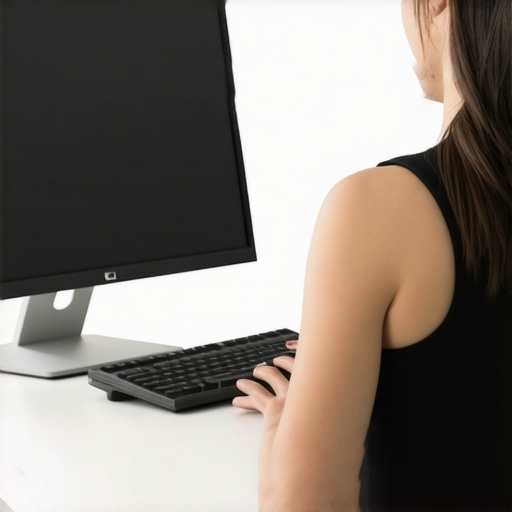
Picture this: I was hunched over my desk, deep into a project, when suddenly a sharp ache shot through my shoulder blade. It wasn’t the usual discomfort; it was intense, persistent, and impossible to ignore. At first, I shrugged it off — pun intended — thinking it was just a temporary strain. But day after day, the pain lingered, gradually stealing my focus and making even simple tasks frustrating. It was a lightbulb moment for me: my posture and sitting habits were silently wreaking havoc on my body, specifically right where my shoulder blade meets my back.
Understanding Why Your Shoulder Blade Sends Alarm Signals
That nagging pain is often a sign that something’s off deeper than you might realize. Many folks, myself included initially, dismiss shoulder blade discomfort as isolated or minor. But the truth is, it’s frequently linked to poor posture, muscle imbalances, or nerve compression caused by prolonged sitting and inadequate spinal support. When you slouch or lean forward at your desk, you put undue stress on your upper back muscles and the surrounding nerves. Over time, this can lead to tension, inflammation, or even nerve pinched points that scream for your attention. Interestingly, studies indicate that sustained poor posture can cause nerve pressure, which may result in pain that radiates beyond the shoulder blade, sometimes affecting your arm or neck as well.
If you’re experiencing this, you’re not alone. Many people face similar issues—often without realizing how much their sitting habits contribute. And here’s the thing: early on, I made a critical mistake. I thought that simply stretching my shoulders or buying ergonomic cushions would solve everything. But some of those quick fixes only masked the problem temporarily. It wasn’t until I addressed my overall spinal alignment and learned mobility-enhancing strategies that genuine relief came.
Will Simple Posture Tips Really Help?
This is a common skepticism I hear—”Is this just another trend, or does it truly make a difference?” Honestly, I was doubtful too. But I found that understanding the connection between mobility and posture was a game-changer. For more insights on this, I recommend checking out how chiropractic adjustments can improve your posture and mobility. The key lies in doing targeted movements that loosen tight muscles and restore proper spinal alignment, rather than relying solely on passive supports.
So, are you tired of that stubborn shoulder blade ache? Ready to nip it in the bud before it morphs into something more serious? Stay tuned, because what I’m about to share will give you practical, easy-to-implement steps for lasting relief.
Targeted Mobility Drills
Begin with simple shoulder circles to loosen tight muscles—stand upright, slowly roll your shoulders forward and backward for 30 seconds each. I vividly remember doing this after a long day at my desk, feeling the tension melt away as I focused on moving deliberately. Incorporate doorway stretches by placing your arms against the doorframe at shoulder height and gently stepping forward until you feel a stretch across your chest and shoulders. This helps counteract slouching and opens up the thoracic spine, reducing pressure on your shoulder blades.
Implementing Corrective Posture Habits
Create awareness by setting reminders to check your sitting position every 15 minutes. Sit with your back fully supported and feet flat on the ground. Think of your spine as a stack of blocks—you want each block aligned to share the load evenly. I once struggled with this, catching myself slouching and straightening up, which instantly relieved the pain. Adjust your computer monitor to eye level to prevent craning your neck, maintaining a neutral head position. Small prompts can reinforce these habits, making correct posture second nature over time.
Applying Gentle Self-Adjustments
Use a foam roller or tennis ball on your upper back; lie on your back and position the ball between your shoulder blade and spine. Gently roll over the tender spots to release muscle tension—imagine massaging a knot out of your rope. When I tried this after a day full of typing, I noticed quick relief from localized tightness. Be cautious: avoid excessive pressure, and stop if you feel sharp pain. This technique helps realign the spine subtly and encourages better mobility, reducing nerve compression chances.
Deepening Your Understanding of Spinal Health
Learn to recognize your body’s signals; chronic discomfort often signals misalignment or muscle imbalance. Regularly perform at-home checks, like the spinal alignment self-assessment. Incorporate daily movements that promote flexibility—hip circles, neck stretches, and arm swings—making mobility a routine. Remember, improving spine health isn’t a quick fix but a continuous process of mindful adjustments. With consistent effort, you’ll notice how better posture alleviates shoulder blade pain and enhances overall function.
Professional Support as a Catalyst for Change
Consider periodic visits to a chiropractor for targeted adjustments, which can accelerate progress. Think of chiropractic care as fine-tuning your car—it ensures all parts work harmoniously, preventing pain from recurring. A quick chiropractic adjustment can restore proper spinal positioning. Complement these sessions with mobility exercises to reinforce gains and avoid regression. Combining self-care with professional guidance creates a sustainable pathway to pain-free living, especially if your pain persists or worsens despite lifestyle changes.
Many assume that frequent stretching or getting regular adjustments automatically guarantees better posture and pain relief. However, this overlooks crucial nuances that can make or break your progress. For example, a common myth is that endless stretching is the key to spinal health. In reality, overstretching certain muscles, especially without addressing underlying misalignments, can lead to hypermobility and instability, increasing injury risk instead of preventing it. A study published in the Journal of Orthopedic & Sports Physical Therapy emphasizes that targeted mobility should be paired with stability exercises to ensure safe and effective results.
Another widespread misconception is that chiropractic adjustments alone can fix chronic postural concerns indefinitely. While adjustments like those detailed on this page are powerful, they are only part of a comprehensive approach. Without integrating daily mobility drills, proper ergonomic habits, and awareness, the gains from adjustments can quickly diminish. This leads to the crucial ‘oops’ trap: relying solely on one intervention and neglecting the importance of consistency and self-management.
Let’s answer a common question from more advanced practitioners: How do I know if my mobility routine is actually addressing my specific spinal misalignments?
Pay attention to feedback from your body—persistent discomfort, unusual tightness, or new aches can signal misaligned or imbalanced structures that generic routines fail to correct. Incorporate regular self-assessments, such as those described on this page, and consider consulting a professional for personalized insights. Remember, efficient mobility work is not just about moving more—it’s about moving correctly for your unique anatomy.
Be cautious about the temptation to over-rely on passive supports or gadgets. For instance, excessive use of ergonomic cushions or braces can sometimes weaken musculature over time, creating dependency rather than empowerment. Instead, focus on active strategies like targeted mobility exercises that develop stability and resilience.
Want to optimize your approach? Combining these insights with professional guidance, such as regular chiropractic care, can establish a sustainable pathway to better alignment. Combining adjustments with mobility routines, as explored on this page, ensures you address both the symptoms and root causes of postural issues. So, are you falling into any of these common traps? Let me know in the comments.Maintaining your spinal health and mobility isn’t a one-and-done effort; it requires the right tools and consistent strategies. Personally, I swear by a set of specialized equipment and software that help me stay on track and make long-term progress. One of my go-to tools is a high-density foam roller. I use it daily to release tension in my upper back and hips, which helps prevent the recurrence of stiffness or discomfort. Choosing a dense roller with a textured surface allows for targeted myofascial release, which I find more effective than smooth rollers. Additionally, I incorporate a tennis ball—perfect for pinpointing tight spots around my shoulder blades and cervical region. I often place it against a wall or my bed to perform gentle pressure techniques, which have been instrumental in avoiding nerve compression issues that could reverse my mobility gains.
For tracking progress and staying accountable, I rely on mobility-focused apps. One that I find particularly useful is “MobilityWOD,” which offers tailored routines and reminders based on your specific needs. These apps help me maintain consistency, especially during busy weeks when it’s easy to neglect self-care. The integration of timers, progress logs, and instructional videos makes it accessible even when I travel or work remotely.
Another essential aspect is embracing educational content from reputable sources. I regularly revisit dedicated pages like this comprehensive guide to stay updated on best practices and incorporate new techniques into my routine. Staying informed ensures I avoid common pitfalls, such as overstretching or neglecting stabilization exercises.
Looking ahead, I predict that the trend towards digital health tools and wearable sensors will revolutionize how we maintain mobility. Devices that monitor posture and nerve tension in real-time could alert us before discomfort becomes chronic, making preventive care more accessible and personalized.
So, how do I keep my improvements sustainable? Consistency is key. I set aside 10 minutes daily for self-myofascial release with my foam roller and tennis ball, combined with simple mobility drills like shoulder oscillations and thoracic rotations. I also revise my routine monthly by consulting updates from trusted sources, ensuring my approach evolves with my needs.
Here’s a challenge for you: try incorporating a targeted nerve release technique using a tennis ball tomorrow after work. It’s straightforward but remarkably effective in maintaining the nerve mobility that underpins pain-free movement. Remember, small daily habits compound over time and are the secret to lasting results. For detailed step-by-step instructions on nerve release methods, check the posture and nerve health guide. Give it a shot, and let me know how it works for you!
The Hardest Lesson I Learned About Mobility and Posture
One key insight I wish I’d embraced sooner is that quick fixes can only take you so far. I spent months chasing after stretches, ergonomic gadgets, and even frequent adjustments, thinking they’d solve my shoulder blade pain. However, it wasn’t until I focused on consistent mobility routines and understanding my body’s unique needs that true progress happened. Trust me, patience and personalized strategies beat off-the-shelf solutions every time.
Tools That Transformed My Approach to Spinal Wellness
My go-to toolkit now includes a dense foam roller and a tennis ball, which I use daily to release tension and maintain nerve mobility. These simple yet effective tools help me stay proactive without needing frequent visits—a huge convenience. Additionally, I rely on an app like “MobilityWOD” to track my routines and ensure I stay on course. These resources have become my trusted allies in the journey toward pain-free movement.
Follow Your Passion for Better Posture—Don’t Hesitate
If you’re tired of shoulder blade pain or nagging back discomfort, remember that change is within your reach. Incorporate targeted mobility drills, practice mindful posture habits, and don’t shy away from seeking professional guidance when needed. Your spine’s health is a lifelong investment; start today, and you might just be surprised by how empowered you feel. What’s one small step you’re willing to take right now to improve your posture or mobility? Share below and let’s motivate each other!