
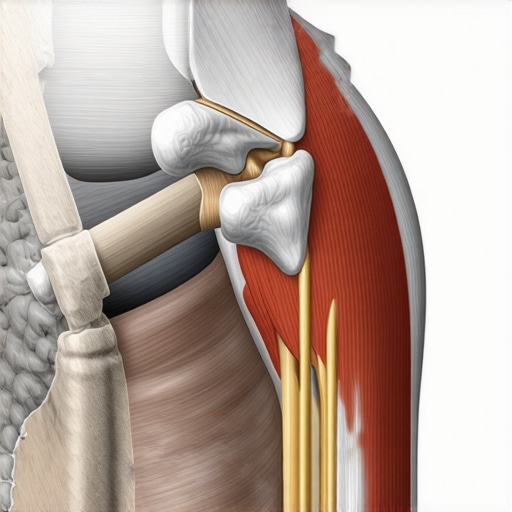
I remember the exact moment it happened— I was reaching for my coffee on the kitchen counter, and suddenly, I felt that familiar *pop* in my shoulder. For years, I shrugged it off as just another quirky thing my body did, but that day, I realized my shoulder had become a little more unpredictable. The clicking was becoming louder, and honestly, it started to bother me enough to consider visiting a chiropractor.
Understanding the Mystery Behind That Clicking Shoulder
In my early days of dealing with this, I made a common mistake: I thought it was just some harmless noise that would go away on its own. But as I dug deeper, I learned that shoulder clicking isn’t always benign. Sometimes, it can be a sign of underlying issues like tendons slipping over bone, joint instability, or early cartilage wear. The good news? Most of these issues are manageable with the right approach.
Many people overlook shoulder sounds, assuming they’re normal wear and tear. However, studies show that clicking, popping, or cracking can often be linked to subacromial impingement or rotator cuff tendinopathy—conditions that *can* become problematic if ignored (source: National Institute of Arthritis and Musculoskeletal and Skin Diseases). That’s why understanding why your shoulder clicks is the first step toward fixing it.
*Have you ever experienced a persistent clicking sound in your shoulder while lifting?* You’re not alone, and the best part is, there’s hope for relief. In this post, I’ll walk you through what causes shoulder clicking, what mistakes I initially made, and how you can start addressing the problem today.
Is Shoulder Clicking Really Something to Worry About?
One thing I wish I knew earlier: not every click signifies disaster. But ignoring it can sometimes lead to more serious injuries down the line. I remember ignoring minor discomforts early on, thinking they’d just disappear. That was a mistake. If I had addressed the issue sooner, I might have avoided some of the more stubborn shoulder problems I dealt with later.
So, are shoulder noises just part of aging, or are they signaling something more serious? That’s a question many ask, and honestly, the answer depends on the context. In some cases, simple mobility tweaks and adjustments can do wonders. If you’re curious about how to keep your shoulders healthy and free from clicky annoyances, stay tuned. I’ll share what worked for me and what you can do—like exploring targeted mobility exercises or even considering professional chiropractic care, which can be a game-changer.
Until then, if you’re tired of that strange clicking every time you lift, don’t just brush it off. Your shoulders deserve attention, love, and a bit of expert insight. Let’s dive into some practical strategies for solving this headache-inducing problem.
Start with Posture Adjustment
Think of your shoulder as a busy traffic intersection—if the lights are off, chaos ensues. I made this mistake myself; slouching at my desk, I noticed more clicking in my shoulder. To fix this, I first evaluated my sitting posture, ensuring my shoulders were back and my head aligned over my spine. You can do the same by adjusting your chair height and monitor level, making sure your shoulders aren’t rounded forward. For detailed insights on correct posture setup, check out this guide on improving posture through mobility.
Apply Targeted Mobility Exercises
Imagine your shoulder joint as a hinge that needs regular lubrication—when stiff, it creaks. I incorporated specific mobility drills, like arm circles and shoulder rolls, into my daily routine. These exercises help increase synovial fluid movement, reducing friction and noise. To maximize your results, consider exercises like the shoulder pendulum or cross-body stretches. For a collection of effective routines, visit mobility exercises to enhance your shoulder health.
Implement Self-Adjustments Carefully
My breakthrough came when I learned gentle self-adjustments—similar to a chiropractic session without leaving your home. Using a foam roller or a tennis ball, I applied pressure to tight areas around my shoulder blade, releasing trapped tension. Think of this as giving your joint a quick tune-up. Be cautious: avoid forcing movements or cracking aggressively. For proper techniques, consult professional chiropractic adjustment strategies.
Use the Right Tools
Invest in a foam roller or massage ball to target those stubborn spots. Place the tool against your back or shoulder and gently roll over tight muscles, promoting blood flow and flexibility. Remember, gentle is key—let pain be your guide. Over time, this practice reduces stiffness that causes clicking.
Optimize Your Daily Movements
Simple modifications in everyday actions make a difference. When reaching for objects, do so with your entire body, not just your arm, to prevent overloading your shoulder. Similarly, avoid sleeping with your arm under your pillow, which can compress tissues unnecessarily. Integrate frequent movement breaks if you sit long hours. For tips on active living, see mobility hacks for an active life.
Monitor and Adjust Over Time
Finally, keep track of how your shoulder responds. If clicking persists or worsens, consider consulting a professional. But with consistent effort—posture correction, mobility drills, and mindful movements—you create an environment where your shoulder can heal naturally. Remember, patience and persistence are crucial for lasting improvement.Many people assume that chiropractic care, adjustments, and mobility exercises are straightforward solutions, but the reality is far more nuanced. A common misconception is that a quick crack or a single corrective move can fix complex postural issues. In practice, this oversimplification overlooks the intricate interplay of musculoskeletal factors involved in posture and mobility. For instance, some believe that cracking your neck or back is inherently harmful, but in skilled hands, chiropractic adjustments can realign structures effectively, provided they’re part of a comprehensive treatment plan. The key is understanding that adjustments are not magic bullets—without addressing underlying habits and muscular imbalances, the improvements are often temporary.
A trap I see many fall into: thinking that posture correction is solely about ‘standing up straight.’ While good posture is vital, the *nuance* lies in understanding the dynamic nature of our bodies. Static posture is just one piece; mobility and muscular balance determine how sustainable that posture is. Neglecting mobility work risks creating rigidity, which can paradoxically increase tension and restrict movement.
Another widespread myth considers posture fixes as quick fixes, believing once you correct your sitting or sleeping positions, issues vanish. However, research shows that ingrained patterns require consistent, mindful adjustments over time. The *advanced mistake* is relying on passive treatments alone—like frequent chiropractic visits—without actively improving muscular control and joint mobility through targeted exercises. Incorporating mobility drills and conscious movement patterns strengthens postural habits more sustainably.
One advanced question for those looking to elevate their understanding: *How do individual variations in spinal and joint biomechanics influence the effectiveness of adjustments and mobility routines?* In fact, studies suggest that personalized assessments are crucial; what works for one person may not be suitable for another due to unique anatomical differences. This is why a one-size-fits-all approach often fails long-term. For more tailored strategies, exploring professional guidelines like those outlined in this resource on chiropractic care for posture can be enlightening.
Remember, improving posture and mobility involves a blend of correct technique, personalized assessment, and consistent practice. So, are you falling into the trap of believing quick fixes are enough? Let me know in the comments. The deeper your understanding, the more effective your journey to pain-free movement will be.Maintaining the improvements you’ve made with your posture and mobility routines requires the right set of tools and consistent effort. Personally, I rely on specific equipment that I’ve found crucial in my ongoing journey toward pain-free movement. One such tool is the **foam roller**, which I use daily to release tight muscles around my shoulders and back. Not just any foam roller will do; I prefer a high-density, textured variety that allows for targeted pressure to trigger points, especially along the thoracic spine. This helps me prevent stiffness that could lead to clicking or discomfort over time. For detailed guidance on choosing and using foam rollers effectively, check out this resource on mobility exercises.Throughout my journey managing shoulder clicking, I learned that many of us fall into traps of oversimplification—believing quick fixes or passive treatments will solve deeply rooted musculoskeletal patterns. One of the most impactful lessons I discovered is that true progress hinges on understanding your body’s unique biomechanics and investing consistently in mobility and posture habits. Recognizing that individual differences influence how adjustments and exercises work has been eye-opening; there’s no one-size-fits-all solution, and patience is crucial. This realization pushed me to embrace personalized strategies, combining mobility drills with mindful daily movements, which ultimately transformed my approach from reactive to proactive. If you’re serious about lasting relief and resilience, remember that embracing a nuanced view—beyond generic advice—is the key to unlocking your body’s full potential.