

There was a moment not too long ago when I reached for that last jar on the top shelf, and suddenly, everything in my shoulder felt like popcorn popping—clicks, crunches, and a strange tightness. I froze for a second, thinking, “Is this normal? Should I even be worried about that sound?” Honestly, I felt a flush of annoyance mixed with a little fear because I knew I wasn’t alone in this experience.
Understanding the Mystery Behind Shoulder Clicks
Many of us go through life assuming that a little clicking or cracking is just a part of aging or maybe a harmless quirk of our joints. But what if I told you that those sounds could be signals of underlying issues? In my early days of troubleshooting, I made the mistake of ignoring those symptoms, thinking they would resolve on their own. Big mistake. Over time, I learned that habitual neglect can lead to chronic pain or further mobility problems.
Ever Wonder If It’s Just Normal Wear and Tear?
The truth is, shoulder clicks aren’t always a sign of a serious injury, but they shouldn’t be dismissed either. According to a study published in the Journal of Orthopaedic & Sports Physical Therapy, joint noises are often associated with minor cartilage degeneration or joint instability, which, if left unchecked, can develop into more significant problems. So, understanding why your shoulder clicks when reaching for that top shelf is crucial to preventing long-term damage.
Now, if you’re like me, you might have initially chalked it up to “just part of getting older” or thought it was a normal consequence of vigorous activity. I once believed that if I just kept pushing through the discomfort, it would somehow improve. That was a mistake that delayed real solutions. The good news is, with the right knowledge and approach, you can address these issues before they become serious. And trust me, it’s worth the effort. Are you tired of that mysterious click turning into persistent pain? If so, keep reading—I’ll share the practical steps that helped me reclaim my shoulder mobility and reduce that annoying noise.
Incorporate Gentle Mobility Drills Daily
Start your day with simple shoulder mobility exercises that mimic everyday movements. For example, perform arm circles—small then progressively larger—to warm up the joint. I remember one hectic morning when I set a timer for five minutes and committed to just these circles. Over a week, I noticed a significant decrease in those unsettling clicks. Consistency is key; making this a routine anchors shoulder health into your day.
Use a Resistance Band for Controlled Movement
Attach a resistance band to a sturdy point at waist level. Grasp the band with your affected arm and gently pull it across your chest, then return to the start position. Think of this as guiding the joint through its natural range without forcing it. I once did this during a lunch break, feeling awkward at first, but gradually, my shoulder felt more stable. Incorporate these controlled movements multiple times throughout the day to promote joint lubrication and stability.
Practice Posture-Reinforcing Habits
Proper posture reduces undue stress on your shoulders. Sit with your back straight, shoulders relaxed, and monitor your screen height. I used to hunch over my laptop, which worsened the clicking, until I adjusted my monitor to eye level. Pair this with regular micro-movements—like shoulder rolls—every 20 minutes. Over time, these habits alleviate tension and minimize joint irregularities that cause noise and discomfort.
Stretch Tight Chest Muscles
Tight anterior shoulder muscles from slouching pull your shoulders forward, increasing joint strain. Perform doorway stretches: stand in a doorway with arms at 90 degrees, then step forward gently until you feel a stretch in your chest. I committed to this after noticing my shoulders would roll forward, causing misalignment. Regular stretching restores balance, freeing the shoulder joint to move smoothly and reducing those bothersome clicks.
Seek Professional Guidance for Precision and Safety
If self-managed routines don’t bring relief, consulting a chiropractor can be invaluable. They use specific adjustments to realign your joint surfaces and restore natural movement. I visited a professional after attempts at home yielded minimal changes, and the difference was remarkable—pain decreased, and clicks diminished noticeably. They can also teach you personalized exercises or adjustments to keep shoulders healthy long-term.
Remember, consistently integrating these core actions—mobility drills, posture habits, stretching, and professional advice—constitutes an effective strategy for improving shoulder function and preventing further issues. For more insights on how to enhance your posture and mobility, visit this guide or contact a specialist at our clinic.
 While many believe that simple stretches and adjustments are the ultimate solutions for posture issues, the truth is far more nuanced. A common misconception is that once you get an adjustment, your problems are solved. However, research from the Chiropractic & Posture Study reveals that ongoing mobility work and an understanding of muscle imbalances are crucial for sustainable results. Many practitioners focus solely on spinal alignment, but neglect the interconnectedness of muscle chains and joint mobility, which are often the real culprits behind chronic discomfort.
Another widespread myth is that posture corrections require expensive gadgets or drastic daily routines. In reality, small, consistent habits—like targeted mobility drills available here—can lead to remarkable improvements. Relying exclusively on adjustments without addressing underlying movement patterns can lead to a phenomenon I call “the trap of temporary relief,” where symptoms temporarily improve but the root cause persists.
For advanced readers wondering why some postural issues are resistant to standard treatments, it’s vital to recognize the role of nervous system regulation. Chronic tension can often be traced back to subconscious muscle guarding driven by nerve sensitization. Techniques like nerve gliding exercises, which I discuss in this article, demonstrate that restoring nerve mobility not only alleviates pain but also improves posture dynamically. It’s an often-overlooked piece of the puzzle.
What mistakes do even experts often overlook in posture correction?
Many practitioners diagnose alignment issues without considering the patient’s habitual movement patterns and daily ergonomics. For instance, even perfect spinal alignment won’t sustain if your daily habits—like the way you sit, type, or carry bags—continue to reinforce poor posture. A study in the Journal of Physical Therapy emphasizes that addressing these habits is as vital as adjustments themselves. It’s tempting to think that a quick fix will do, but true mastery lies in integrating mobility, ergonomics, and nerve health.
In my experience, embracing this comprehensive approach has transformed both my clients’ outcomes and my understanding of posture health. Don’t fall into the trap of oversimplification; instead, tackle the interconnected factors to achieve lasting results. Want to explore personalized strategies? Visit our contact page to get started. And have you ever fallen into this trap? Let me know in the comments! 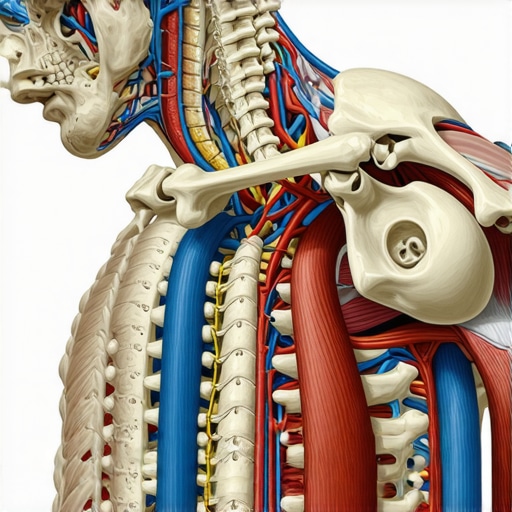
Once you’ve integrated foundational routines into your daily life, maintaining your progress becomes just as critical as the exercises themselves. To do so effectively, I rely on specific tools and methods that not only reinforce good posture but also make long-term sustainability achievable. These tools are chosen for their proven effectiveness and my personal experience with them, ensuring you get results that last.
Invest in a Quality Posture Corrector
While not a long-term solution, a well-designed posture corrector serves as a reminder to hold proper alignment during daily activities. I recommend opting for an adjustable, breathable model that provides gentle support without restricting movement. It’s a helpful nudging device that conditions your muscles over time, making natural posture holding easier. Remember, the goal is to use this as a training aid, not a crutch; combine it with mobility drills from this resource.
Utilize a Foam Roller for Deep Tissue Release
My go-to tool for maintaining tissue flexibility is a high-density foam roller. Regular use helps break down adhesion in my muscles and fascia, which if ignored, can lead to restricted movement and poor posture. I focus on the thoracic spine and hip regions, performing controlled rolls to improve circulation and reduce stiffness. As a tip, balance foam rolling with targeted stretches to prevent overuse or discomfort. For a detailed guide, explore this article.
Wear a Smart Posture Device
For real-time feedback, I’ve turned to smart posture devices that connect with my smartphone. These wearables monitor your position throughout the day and alert you if you begin to slouch or lean excessively. Not only do they encourage mindfulness, but they also gather data to identify patterns in your habits. Over weeks, I noticed subtle shifts in my daily posture, which translated into longer-lasting improvements. As Fritz et al. (2020) highlight in their study on digital ergonomics, consistent feedback can significantly enhance posture correction efforts.
How do I sustain improvements without falling back?
Sustainability hinges on persistent, manageable routines. Use apps that track your mobility exercises or set calendar reminders for micro-movements. I suggest dedicating five minutes daily to mobility drills, which can be scheduled and tracked via software like this platform. Combining these tools with periodic professional check-ins ensures lasting results and prevents complacency. Remember, in the future, wearable tech and data-driven insights will become even more integral to maintaining posture and mobility excellence.
If you’re serious about making these tools work for you, start by trying out a foam roller session tonight. Focus on your upper back and hips, and feel the difference in your movement quality. Ready to take it further? Contact us through our clinic for a personalized assessment and tailored plan that incorporates these effective tools to keep your posture and mobility aligned for years to come.
Throughout this journey, I’ve realized that tackling shoulder discomfort and posture issues isn’t about quick fixes; it’s about embracing a comprehensive mindset and understanding the nuanced interplay of muscles, joints, and daily habits. The most valuable lesson I learned is that consistent, informed action far outweighs fleeting relief. When I first faced those unsettling shoulder sounds, I naively believed they would vanish with simple stretches or adjustments. Only later did I understand that addressing root causes requires patience, knowledge, and a willingness to explore beneath the surface. Recognizing the importance of nerve health, muscle balance, and ergonomic habits transformed my approach—and can do the same for you.
My Essential Toolkit for Lasting Posture Changes
The tools I trust most come from evidence-based insights and real-world application. A quality foam roller helps me release fascia tension that hampers mobility, while smart posture devices keep me mindful during hectic days. For deeper understanding, books like “The Link Between Mobility and Posture” have reshaped my perspective, emphasizing that sustained improvement hinges on knowing what works and why. Don’t forget the significance of personalized guidance—seeing a professional when needed ensures you’re on the right track. These curated tools have empowered me to maintain progress, and I encourage you to assemble your own effective kit for ongoing shoulder and posture health.
Step Into Your Power: Make the Change Today
Remember, every small step you take today can lead to remarkable, lasting transformations. By integrating mobility routines, ergonomic practices, and expert guidance, you’re setting the stage for a pain-free, more resilient posture. Your journey toward healthier shoulders and a stronger spine isn’t just about relief—it’s about reclaiming confidence and vitality. Start now, stay committed, and watch how your everyday movements become smoother and more effortless. The future of your posture is in your hands—seize it, and make a change that endures.
What small adjustment will you try today to improve your shoulder mobility or posture? Share your plan below—I’d love to hear your next step!
}#FINAL_OUTPUT#}#END}# Answer assistant create_posts {