
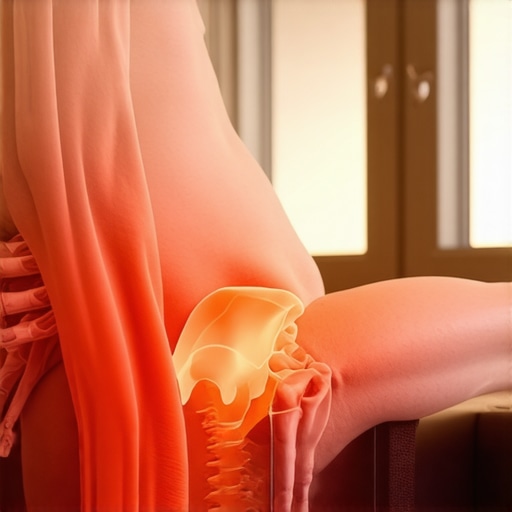
It hit me unexpectedly one afternoon—my tailbone aching fiercely just ten minutes into sitting down. I was utterly baffled. How could something so specific flare up so quickly? That lightbulb moment revealed I wasn’t alone; many people suffer from this surprisingly common discomfort, often without understanding why it happens or how to stop it.
The Real Reason Your Tailbone Gives You Trouble so Fast
As someone who’s explored the ins and outs of posture, mobility, and chiropractic care, I can tell you that tailbone pain—that persistent, fiery ache—often stems from poor sitting habits combined with underlying mobility issues. When I first experienced this, I thought it was just a fluke. Turns out, I was sitting improperly and neglecting essential adjustments that could have prevented the pain altogether. Did you know that sitting for prolonged periods can reduce blood flow and nerve activity around your coccyx, leading to that sharp pain? According to experts, poor seated posture can compress delicate nerves and tissues, making even short durations unbearable.
But there’s good news—this pain isn’t inevitable. Together, we’ll unpack why it happens so quickly and what manageable steps you can take today to feel relief and regain your comfort. If you’ve ever faced this frustrating situation, keep reading. I’ll help you understand and conquer the root causes, not just temporary fixes.
Will Changing My Sitting Habits Really Help?
I once made the mistake of dismissing my discomfort as a minor issue, thinking I just needed a better cushion or to shift positions more often. But that only provided temporary relief. My real breakthrough came when I realized that my mobility—and how I sat—played a crucial role. By addressing those foundational issues, I could sit longer without pain and prevent future flare-ups. You can do this, too. For practical tips, check out these mobility exercises designed specifically for improving posture and reducing sitting discomfort.
Now, let’s roll up our sleeves, get honest about our habits, and find lasting relief. The journey begins with understanding the core problems and applying simple, effective adjustments—then enjoying our seated moments once again without that nagging tailbone ache.
,
Tackle Your Sitting Posture Like a Pro
First, assess your current sitting setup. Imagine your pelvis as the foundation of a building; if it’s tilted or unstable, everything else above will suffer. To find your neutral pelvis position, sit at the edge of a sturdy chair, feet flat, and gently tilt your hips forward and backward until you find a balanced posture. Stabilize that position by engaging your core muscles—think of them as the scaffolding that keeps your structure upright. Micro-movements during work, like slight pelvic tilts, can prevent stiffness from setting in and maintain mobility. I vividly remember when I mistakenly slouched for hours, only to feel intense tailbone pain. Adjusting my seat to encourage an active, upright posture significantly reduced discomfort.
Use Your Office Chair to Support Proper Alignment
Choose a chair that allows your feet to rest flat on the ground and supports your lower back’s natural curve. Sit back fully, making sure your hips are slightly higher than your knees—a simple trick to unlock better alignment. Remember, a lumbar roll or small pillow can mimic the support of a well-designed chair, preventing your pelvis from collapsing forward. Revisit your seat adjustment regularly, especially if you notice discomfort creeping in. I’ve found that even a slight elevation or lumbar support changes the entire game—less tailbone pressure, more comfort during long hours.
Integrate Mobility Drills Into Your Routine
Mobilizing your hips and pelvis can keep your tailbone healthy and prevent pain from reappearing. One effective technique involves the hip-causing-your-back pain—think of your hips as the hinges of a door; if they get stiff, your posture suffers. Performing targeted mobility exercises, like the hip mobility routine, loosens up those joints and restores fluid movement. I recall dedicating just five minutes daily to these drills—initially a messy attempt, but soon I felt the difference in sitting comfort and decreased tailbone tenderness.
Develop a Dynamic Sitting Style
Avoid static positions by incorporating micro-movements, such as shifting your weight or crossing and uncrossing your legs regularly. Think of your body as a car engine that needs regular oiling; small adjustments prevent parts from seizing up. Set a timer to remind yourself to change positions or stand briefly every 20-30 minutes. When I started habitually moving, my tailbone pain diminished considerably. These small habits add up, transforming your daily sitting into a movement-rich practice that fortifies your posture over time.
Leverage Chiropractic Support When Needed
Occasionally, addressing mechanical misalignments through chiropractic adjustments can realign your pelvis, reduce nerve impingements, and boost mobility. Think of it as fine-tuning your body’s framework—like tightening screws on a machine. I experienced relief after a few targeted visits that focused on my pelvis and lower back, allowing me to sit longer without pain and regain confidence in my posture.
By combining ergonomic positioning, mobility exercises, active sitting habits, and professional support when necessary, you can effectively combat tailbone pain that sneaks up so quickly. These steps are practical, achievable, and transformative—ready to be implemented today to enhance your comfort and health.
While most understand that good posture and regular adjustments can improve comfort, many are unaware of the nuanced pitfalls that undermine these efforts. One common misconception is assuming that static alignment alone guarantees relief. In reality, posture is dynamic, and relying solely on keeping a ‘perfect’ position can lead to neglecting mobility’s role in maintaining long-term health.
Many believe that chiropractic treatments are a quick fix for persistent issues. However, without addressing underlying movement patterns and habitual behaviors, adjustments often provide only temporary relief. An expert approach integrates chiropractic care with mobility exercises and ergonomic practices, forming a comprehensive strategy for sustainable improvement. For instance, regular mobility drills, like those outlined in targeted mobility routines, bolster joint health and prevent stagnation.
A common trap is over-reliance on gadgets or ergonomic devices, assuming they can replace active movement. In fact, passive solutions can weaken proprioception and muscular control, making you more prone to poor posture over time. That’s why combining ergonomic support with proactive mobility work leads to better, more durable results.
Another misunderstood aspect involves the importance of contextual factors, such as fatigue and mental stress, which significantly impact posture. When you’re tired or overwhelmed, your muscles tend to slacken or tighten involuntarily, negating the benefits of adjustments. Recognizing these influences, as discussed in this chiropractor’s guide, helps you implement strategies that address both physical and psychological contributors.
Specifically addressing the more advanced question, why do some individuals find that even with good exercises and adjustments, relief remains elusive? The answer often lies in neural and fascial restrictions that passive stretching or adjustments cannot fully resolve. Techniques like nerve gliding exercises or fascia release, highlighted in foam rolling strategies, are essential for overcoming these hidden barriers.
Remember, posture isn’t just an aesthetic or static goal—it’s a complex interaction between muscles, joints, nerves, and habits. Overlooking any part of this system can lead to setbacks. As I always say, integrating mobility, ergonomic awareness, and professional support is the way forward.
Have you ever fallen into this trap? Let me know in the comments and share your experiences, so we can all learn to move better and avoid these common pitfalls.
Keep Your Progress in Motion
Maintaining good posture and mobility over the long term requires not just initial adjustments but also the right tools and routines to support your efforts. Personally, I rely on a combination of ergonomic equipment, targeted mobility devices, and digital assistance to stay aligned and pain-free. Regularly updating and fine-tuning these tools ensures that my improvements don’t fade with time.
One essential device I swear by is a high-quality lumbar roll. It consistently helps me maintain the natural curve of my lower back during long sitting sessions, especially when working at my desk. I’ve also integrated a foam roller into my routine for daily myofascial release; it’s incredible for alleviating tension and supporting your mobility drills.
In terms of software, I recommend using posture reminder apps like mobility tracking tools. These help me stay conscious of my habits, prompting micro-movements and breaks. The connection between consistent adjustments and long-term benefits is well-documented; for example, the link between mobility and posture is crucial, as described in this detailed article.
How do I keep my posture work sustainable over time?
One secret to enduring progress is integrating mobility drills into daily routines. For instance, dedicating five minutes each morning to targeted exercises, like those in mobility exercises, can profoundly influence your comfort and alignment. Additionally, scheduling periodic check-ins with a professional, whether through virtual consultations or in-person visits, helps catch and correct any slipbacks before they turn into chronic issues.
Moreover, stay proactive about equipment maintenance. Regularly inspect your ergonomic tools—like adjustable chairs and supportive accessories—to ensure they function correctly and continue to support your alignment. Just as a car needs oil changes, your posture-supporting devices benefit from routine upkeep.
Scaling Your Mobility and Posture Practices
If you’re aiming for comprehensive long-term benefits, consider investing in a mobility coach or specialist who can personalize your routine. Customized plans, combined with tools like specific mobility moves, accelerate progress and adapt to your evolving needs. The future of posture and mobility lies in integrative, tech-supported approaches that step beyond generic fixes and focus on your unique biomechanics.
Finally, consistently revisiting and refining your tools ensures sustainability. For example, using a inversion table periodically can decompress discs and improve overall spinal health — but only if it’s part of a balanced, well-maintained regimen.
Start by selecting one of these advanced strategies—like incorporating mobility exercises from this routine—and see how it transforms your daily comfort. Remember, consistent maintenance is key to long-term success, so check your tools and habits regularly. For personalized guidance or support, don’t hesitate to reach out through our contact page. Keep your progress rolling, and your body will thank you for years to come.
What Slip-Ups Taught Me About Lasting Change
One of the hardest lessons I learned was that quick fixes often mask deeper issues. I spent years relying solely on ergonomic chairs and occasional stretches, only to realize that without consistent mobility work and mindful habits, the pain would always return. Embracing the idea that posture is a dynamic system, not a static goal, transformed my approach. The breakthrough came when I understood that true relief comes from integrating movement, professional support, and personal awareness, rather than chasing the next gadget or quick fix.
My Go-To Tools for Maintaining Perfect Posture
Over the years, I’ve curated a handful of resources that genuinely make a difference. The mobility routines I incorporate daily help me stay fluid and responsive. A quality lumbar roll has become my best friend during long work hours, supporting my lower back’s natural curve. For guidance and accountability, I trust posture reminder apps that prompt micro-movements and breaks. These tools work in harmony to keep me aligned, pain-free, and energized.
Embrace Your Movement Journey Today
Remember, the path to pain-free posture is ongoing but achievable. Small, consistent actions—like integrating mobility drills, adjusting your workspace, and seeking professional care when needed—can deliver profound, lasting benefits. Don’t wait for discomfort to become chronic; start today and invest in your body’s resilience. Your future, pain-free self will thank you for choosing to move smarter now.
What’s Your Next Step? Share Your Experience
Have you tried any mobility routines or ergonomic adjustments that made a noticeable difference? Or are you still searching for the right approach? Share your story below—your insights might inspire someone else to take action towards better posture and health.