
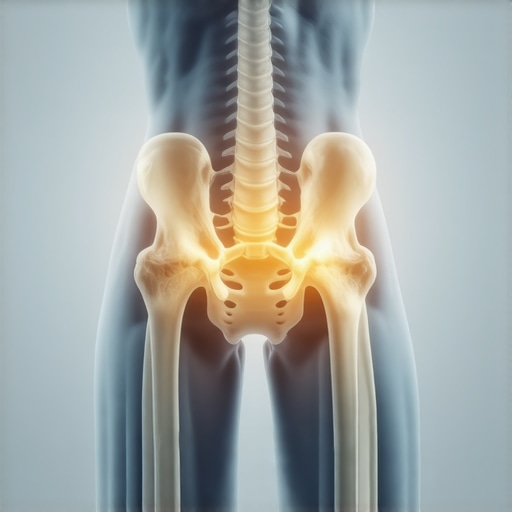
Have you ever spent hours stretching your hips, only to wake up the next day feeling just as stiff as before? I remember those mornings vividly—trying every stretch, every gadget, every frantic Google search to loosen up that stubborn tension. It was frustrating, and honestly, a little disheartening. One night, after a particularly exhausting session of stretching and some fleeting relief, I had a lightbulb moment: what if the problem wasn’t just tight muscles, but something deeper inside?
Breaking Free from the Myth of Stretched Hip Flexors
Here’s the truth I wish I’d known sooner: constant tension in your hip flexors isn’t just about needing to stretch more. Sometimes, it’s about addressing underlying mobility restrictions or nerve impingements that stretching alone can’t fix. Initially, I fell into the trap of thinking that the more I stretched, the better I’d feel. But that often led to even more discomfort, a cycle I couldn’t break. It wasn’t until I started exploring targeted mobility exercises and consulting with a chiropractor that I saw real progress. Since then, I’ve made it my mission to help others understand this common yet misunderstood issue.
Could You Be Falling for a Common Mobility Mistake?
The mistake I made early on? Focusing solely on stretching without considering structural alignment or nerve health. This oversight can keep your hips tight, regardless of how many stretches you do. For a deeper dive into how mobility impacts posture and movement, check out this comprehensive guide. It shaped my approach and can do the same for you. If this sounds familiar, don’t worry—you’re not alone. Many folks believe they just need to stretch more, but often, a combination of mobility work and chiropractic adjustments is the real game changer. Ready to learn practical steps that address the root cause? Let’s dive in and unlock your hips’ true potential.
Start with Gentle Mobility Exercises
One of the most effective ways to address stubborn hip tension is through targeted mobility drills. I recall a time when I incorporated pelvic tilts and hip circles into my daily routine, promptly feeling a loosening in my hips. These exercises act like oiling a rusty hinge—reducing friction and allowing smooth movement. Begin by performing 5-minute routines that focus on moving your hips through their full range of motion, such as leg swings and gentle lunges. To learn more advanced techniques, check out this guide on mobility exercises for posture.
Use Self-Myofascial Release Techniques
Foam Rolling for Hip Flexors
Applying pressure with a foam roller helps break up adhesions in the fascia—think of it like releasing a tangled garden hose to restore flow. I remember a morning when I was especially tight; rolling my hip flexors eased the tension significantly. Focus on the front of your hips, glutes, and thighs, rolling for about 1-2 minutes on each area. Be cautious to avoid rolling directly on bony prominences. For detailed guidance, visit this post.
Adjust Your Posture with Precision
Poor alignment can lead to compensations that keep your hips locked up. Think of your posture like the framework of a building—if the foundation is crooked, everything above it suffers. I once paid close attention to my sitting and standing habits, correcting my pelvis tilt and spine alignment. Sit with your feet flat, knees at 90 degrees, and hips square over your ankles. When standing, engage your core and keep your pelvis in a neutral position. To develop awareness, explore practical posture tips tailored by experts.
Incorporate Nerve Gliding Movements
Stiffness can sometimes originate from nerve restrictions, much like a rope gets knotted. Nerve gliding exercises gently free up nerve pathways, reducing the sensation of tightness. I included small, controlled movements, such as a controlled leg slide while lying on my back, which significantly improved my mobility over time. These movements should be performed slowly and within your comfort zone to avoid aggravation. For a step-by-step routine, see this nerve release guide.
Combine Chiropractic Adjustments for Lasting Relief
While exercise and posture correction are vital, sometimes manual adjustments provide the breakthrough you need. Chiropractic care focuses on realigning your joints and nerve pathways—like tightening or loosening the screws in a machine for optimal operation. I experienced noticeable improvement after a targeted adjustment on my pelvis, which then allowed my exercises to become more effective. Consult with a professional to identify misalignments, and consider regular check-ins. Dive deeper into the benefits of chiropractic adjustments here.
Maintain Consistency and Listen to Your Body
Progress demands persistent effort—much like tuning a musical instrument. I learned that applying these steps daily, even in small doses, led to sustainable improvements. Pay attention to your body’s signals: if a movement causes pain beyond mild discomfort, cease and reassess. Incorporate mobility routines into your morning routine or after long periods of sitting. Over time, these small, consistent actions build resilience and unlock your hips’ full potential.
Many believe that chiropractic adjustments are a quick fix, but in my experience, there’s a nuanced dance between manipulation, mobility, and posture correction that often goes unnoticed. The common myth is that a single adjustment can permanently resolve complex issues, yet research shows that true improvement requires a comprehensive approach, including targeted mobility exercises and posture awareness. Relying solely on adjustments without addressing underlying movement patterns can lead to temporary relief but not long-term change.
Are Adjustments Enough or Just a Band-Aid? Removal of the myths surrounding chiropractic care reveals that adjustments are tools, not cures. They help reset your nervous system and improve joint function but don’t correct ingrained movement habits. For sustainable results, integrating mobility routines—like those outlined in this guide—is essential. Otherwise, you’re just treating symptoms rather than addressing root causes.
One trap to avoid is over-reliance on passive treatments. Many patients expect adjustments to solve everything, but without active engagement—in the form of exercises and ergonomic changes—the improvements may plateau or revert. Research from the Journal of Manipulative and Physiological Therapeutics emphasizes that combining adjustments with active movement therapy yields better outcomes.
Furthermore, there’s a misconception that posture correction is synonymous with stiffening or holding a perfect pose. In reality, optimal posture is dynamic. Misconceptions about static ‘ideal’ postures can lead to overstress and strain. Instead, aim for a flexible, balanced range of movement, as discussed in this article. Proper mobility work enhances your adaptability, allowing your body to respond gracefully to daily demands.
Advanced practitioners often ask: “How do I integrate chiropractic with mobility for lasting change?” The answer lies in a tailored plan. As shown by experts in posture therapy, combining multiple modalities—adjustments, mobility drills, ergonomic tweaks—maximizes benefits. For instance, including exercises from this resource can deepen the effectiveness of adjustments, making improvements stick.
In conclusion, understanding that adjustments are part of a bigger picture prevents common pitfalls. They work best when complemented by active mobility, posture awareness, and personalized strategies. Don’t fall for the trap of thinking adjustments alone are enough. Instead, see them as a catalyst for your movement journey, empowering you to move better every day. Have you ever fallen into this trap? Let me know in the comments.Maintaining your improved posture and mobility requires more than just occasional exercises; it involves using reliable tools and establishing consistent long-term routines. Personally, I rely on a combination of specialized equipment and digital resources to ensure I stay on track. For example, a high-quality foam roller has become indispensable in my routine, providing targeted myofascial release that helps alleviate stubborn tension. I prefer a dense, texture-rich foam roller because it offers deeper pressure without causing discomfort, allowing me to target specific areas like the hip flexors and thoracic spine effectively. Incorporating foam rolling into your daily regimen can significantly enhance tissue flexibility and prevent regressions, as detailed in our guide on targeted mobility exercises.
The Hardest Lesson I Learned About Movements and Misconceptions
One of the biggest realizations in my experience was recognizing that my stubborn hip tension wasn’t just about tight muscles—there were underlying structural and nervous system factors at play. I used to think stretching more was the answer, but the more I did, the more elusive relief became. Listening to seasoned experts and re-evaluating my approach revealed that active mobility and targeted adjustments were the real game changers. This shift taught me that progress often involves challenging our assumptions and embracing comprehensive strategies, not relying solely on passive stretches.
My Go-To Resources for Lasting Change
Over the years, I’ve found certain tools and guides to be indispensable. The article on targeted mobility exercises opened my eyes to proactive ways of improving posture, beyond just stretching. Consultations with a chiropractor that focused on structural alignment, like those detailed in this guide, provided the physical reset I needed. Additionally, incorporating daily mobility drills into my routine has been vital. These resources helped me realize that sustainable progress requires both knowledge and consistent application.
Embrace Your Movement Evolution and Keep Moving Forward
If you’re tired of fighting stiff hips with endless stretches, remember that change is within your reach. Incorporate gentle mobility exercises, prioritize posture awareness, and seek professional guidance when necessary. The journey isn’t about perfection but persistence. Your hips have the potential to move freely, and every small step you take counts. So, take that first move today—your body will thank you for it. Have you ever wondered what small tweak could make a big difference in your hip mobility? Share your experience below, and let’s grow stronger together.