
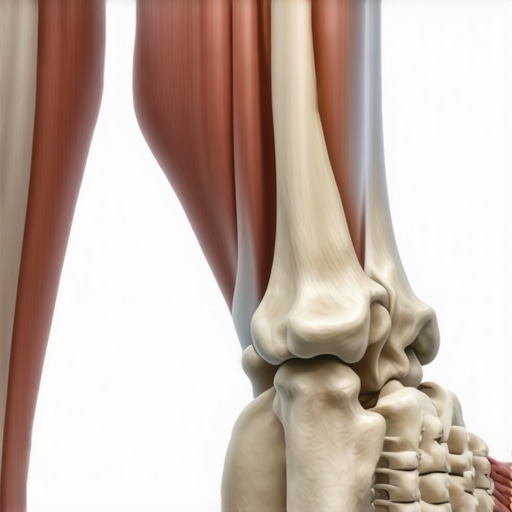
I remember the moment I finally connected the dots. After years of battling persistent lower back pain, I was convinced it was just a matter of aging or poor posture. Then, one day during a routine check, my chiropractor noticed my flat feet. It was a simple observation, yet it opened up a whole new understanding for me. The realization hit hard: those flat arches weren’t just affecting my feet—they were throwing off my entire pelvis and spinal alignment.
The Surprising Link Between Flat Feet and Back Pain
As I dove deeper into this connection, I learned that overpronation—a common trait in flat-footed individuals—can influence how weight is distributed across your lower limbs and hips. This imbalance can lead to compensatory movement patterns up the chain, culminating in lower back discomfort. It’s not just anecdotal; scientific studies corroborate this. For instance, research indicates that individuals with flat feet are more prone to pelvic tilt and lower back pain due to altered biomechanics (source: https://quackersneck.com/the-link-between-mobility-and-posture-a-chiropractors-guide).Understanding this link was a game-changer for me. I realized that addressing my flat feet could help alleviate my back issues, rather than solely relying on painkillers or passive treatments.
So, why should you care? Well, if your lower back pain persists despite standard stretching and strengthening exercises, your flat feet might be silently sabotaging your efforts. Recognizing and correcting this issue could be the breakthrough you need.
Are you tired of feeling like your pain is just a part of aging? Have you noticed that no matter how much you stretch or strengthen, your back still aches? If so, keep reading — because the solution might be simpler than you think, and it starts with understanding your feet.
Now that we’ve established why your flat feet might be at the root of your back pain, let’s explore how to verify this connection and take the first steps toward relief.
Start With Self-Assessment and Footwear Adjustments
My first step was to confirm my flat feet using a simple wet footprint test: I wet my feet, stepped onto a piece of paper, and examined the imprint. A wide, flat arch indicated overpronation. To support my feet, I switched to arch-supportive shoes and tried insoles designed for flat feet. This immediate change reduced some strain on my knees and hips, which contributed to my back discomfort. Think of your feet as the foundation of a building; if the base isn’t stable, the entire structure wobbles. Reassessing and strengthening your footing creates a more stable base for your spine.
Implement Mobility Drills Targeting the Feet and Ankles
Next, I incorporated mobility drills to enhance ankle flexibility, which affects how your foot interacts with the ground. I started daily with calf stretches: standing facing a wall, I placed my hands on the wall, stepped one foot back, kept that heel flat, and leaned forward. This stretch frees tight calves that can pull on the Achilles tendon and limit ankle dorsiflexion, contributing to overpronation. I also added toe curls and ankle circles to improve joint mobility. You can think of your ankle as a hinge; a well-lubricated, flexible hinge allows for better weight distribution and reduces compensations higher up in your kinetic chain.
Use Targeted Chiropractic Adjustments for Realignment
I scheduled a consultation with a chiropractor experienced in posture correction. During my session, specific adjustments focused on my pelvis and lumbar spine. Imagine your pelvis as the axis of a spinning top—if it’s misaligned, the entire top wobbles. Proper adjustments can reset this axis, alleviating strain on your lower back. After each session, I performed mobility exercises prescribed by my chiropractor—like pelvic tilts and lumbar rotations—at home to reinforce the realignment. Regular chiropractic care coupled with personalized exercises can dramatically improve biomechanical harmony.
Incorporate Strengthening Exercises for Support and Balance
I added exercises to strengthen my foot muscles and core, recognizing they act as stabilizers. For my feet, I did towel scrunches: placing a towel flat on the floor, I used my toes to pull it toward me, activating intrinsic foot muscles. Stronger feet reduce overpronation. For my core, I practiced plank holds and bridges to support spinal stability. Think of your core as the central beam of a building; a strong core prevents your pelvis from tilting forward or backward, which can aggravate back pain. Consistent strengthening creates resilient support for your entire posture.
Monitor and Adjust With Consistency and Awareness
Finally, I kept track of my progress by noting any changes in pain levels and alignment. Awareness of how daily habits—like sitting, standing, or walking—affect my posture helped me adjust habits over time. For example, I avoided prolonged standing without shifting weight and used lumbar support pillows when sitting for extended periods. Think of your body’s adjustment process as fine-tuning a musical instrument; small, consistent tweaks lead to harmony. Regular monitoring and adapting your routine ensure the longevity of your improvements.
Applying these hands-on steps created a tangible difference in my back health, proving that correcting flat feet through targeted exercises, mobility work, chiropractic care, and strengthening can transform persistent discomfort into relief. Remember, each person’s body is unique, so tailoring these techniques with professional guidance maximizes your chances of success.
Many people believe that chiropractic adjustments and mobility exercises are quick fixes that permanently resolve posture issues. However, this oversimplification ignores critical nuances that can affect long-term results. One prevalent misconception is that a single or a few adjustments can align your entire spine and fix posture problems forever. In reality, the body adapts over time, and ongoing maintenance, including consistent mobility work, is essential to sustain benefits. For example, chiropractic adjustments can enhance posture temporarily, but without addressing underlying habits and mobility limitations, the improvements may be short-lived.
Another common myth revolves around the idea that mobility drills are only necessary for athletes or those with extreme stiffness. In truth, mobility exercises are fundamental for everyone, especially as daily habits—like prolonged sitting or poor ergonomics—gradually degrade joint function. Overlooking this can lead to accumulated stiffness and poor movement patterns, which ultimately compromise posture and spinal health. As highlighted in this piece on targeted mobility exercises, consistency is key.
A significant trap many fall into involves over-reliance on passive treatments. Relying solely on adjustments or massages without active participation—like strengthening and mobility work—can create dependency and delay true progress. Passive treatments address symptoms temporarily, but sustainable posture correction demands an active approach.
So, what often goes unnoticed? The subtle dynamics of muscle imbalances. For instance, tight calves can silently pull your pelvis out of alignment, exacerbating poor posture and back pain. Recognizing these hidden contributors is crucial; they often go unnoticed by the untrained eye. In fact, this article explains how tight calves can backfire on your pelvic alignment.
Advanced practitioners understand that real progress comes from a holistic view—combining adjustments, mobility, strengthening, and addressing habits. Neglecting the intricacies of how different tissues and joints interact can mean the difference between temporary relief and lasting correction.
To enhance your strategy, consider ongoing assessments and tailored routines. Question the common belief that one adjustment or stretch is enough. Instead, embrace a comprehensive, habits-oriented approach.
Have you ever fallen into this trap? Let me know in the comments. Remember, mastery over posture involves more than just quick fixes—it’s about understanding and working with your body’s complex biomechanics.Maintaining good posture and mobility over time requires deliberate effort and the right set of tools. From ergonomic accessories to mobility aids, having the right equipment can make a significant difference in sustaining progress.
Invest in Quality Supportive Footwear and Insoles
Personally, I swear by custom orthotics because they provide tailored arch support that I can’t achieve with generic insoles. They’ve dramatically reduced my overpronation, helping my pelvis stay aligned and easing back strain. When choosing insoles, look for ones that stabilize your arch without compromising flexibility. This proactive approach ensures your foundation remains solid over years of daily wear, preventing the subtle shifts that lead to long-term issues.
Dynamic Mobility Equipment for Daily Maintenance
Using tools like resistance bands and foam rollers has become a staple in my routine. Resistance bands are excellent for targeted stretching and strengthening, especially for ankles and hips—key areas influencing posture. The foam roller, on the other hand, helps release muscle tightness that otherwise pulls your entire alignment out of whack. For instance, focusing on my calves with a foam roller or a lacrosse ball helps address tightness that might undermine my ankle flexibility, as discussed in this resource on mobility maintenance. Consistent use of these tools fosters long-term resilience in your movement patterns.
Monitor Progress with Digital Posture Assistants
Apps and wearable devices are becoming increasingly sophisticated, allowing real-time feedback on your posture during daily activities. Whether it’s a smartphone app alerting you when you slump or a posture-tracking device worn on your back, these tools help reinforce correct habits. I find that tracking my posture alerts me to bad habits early, so I can adjust before they embed into my routine. Technology’s role in posture correction is poised to expand, integrating AI to provide even more personalized insights. For example, future AI-driven sensors might analyze your movement patterns throughout the day, recommending micro-adjustments tailored specifically to your biomechanics. Dive into this guide on daily mobility tweaks for tips on selecting the right digital tools.
Establish a Scheduled Maintenance Routine
Consistency is king. Allocate specific times in your day to perform mobility drills, check your footwear, and use supportive tools. For instance, a quick 5-minute ankle mobility session each morning can preempt stiffness that develops over hours of sitting. Incorporating these practices into your daily routine turns maintenance from a chore into a habit, ensuring long-term results. As I did, try integrating drills like the 30-second reset that I mentioned earlier, which can be done while at your desk or during breaks. This proactive approach helps your body adapt continuously, warding off the gradual decline that often accompanies aging or sedentary lifestyles.
Where Do You Start to Keep Your Posture Working?
One of the most effective steps is to select one mobility drill and make it a part of your daily routine. Whether it’s calf stretching, using a foam roller, or wearing a posture tracker, committing to one tool can create momentum. Remember, even the best equipment is only as useful as your consistency. For starters, I recommend trying the simple ankle mobility drills, which address foundational stability, crucial for maintaining good posture over the long haul. Click here for a detailed guide on mobility drills that fit into busy schedules, and consider setting a reminder to do this every morning. Regularly evaluating and upgrading your tools can help you stay upright and active for years to come. It’s about building habits that reinforce your body’s natural strength and alignment. As technology progresses, expect even smarter tools that adapt and personalize your maintenance routines. Embrace these innovations now to stay ahead of the curve. If you’re ready to take it a step further, try integrating the specific mobility exercises from this detailed mobility plan. Small, consistent investments in your tools and routines will yield results that keep your posture working for the long term.Throughout this journey, I realized that tackling posture issues isn’t just about fancy exercises or quick adjustments—it’s about understanding the subtle, often overlooked aspects that influence our bodies. One of the most eye-opening lessons I learned was how flat feet, something many consider minor, can silently sabotage our efforts to achieve better spinal health. Recognizing and addressing this small detail turned out to be the game-changer I needed. It taught me that genuine, lasting improvements come from a holistic approach—one that respects the intricate dance between our feet, hips, and spine. If you’re tired of temporary fixes and ready for real change, embracing the less obvious factors like flat feet might be your breakthrough. Trust me, the path to truly improved posture is paved with these often-missed insights, and uncovering them can empower you to reclaim your health and confidence for the long haul.