
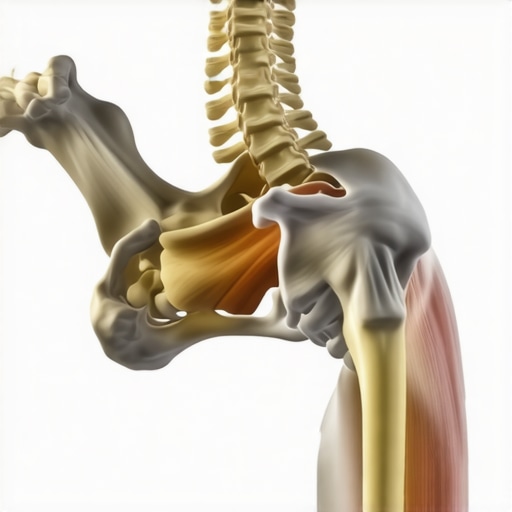
Have you ever felt that quick, almost satisfying crack in your lower back every time you turn your torso? At first, it might seem harmless—just a pop, a release. But if you’re like me, that cracking became more frequent, more urgent, and honestly, a little unnerving. One day, I caught myself twisting awkwardly during a simple stretch, and that familiar crack echoed louder than usual. I wondered—what’s really going on inside my spine?
The Morning That Made Me Realize Something Was Off
That moment of self-awareness hit me hard. The crack in my lower back wasn’t just a fleeting noise; it signified underlying issues—stiffness, misalignment, and perhaps a bit of neglect. I realized many people go through this without understanding the root cause or, worse, they ignore it altogether. But why does the lower back crack every time we twist, and more importantly, is it something I should worry about? Today, I want to share what I’ve learned and how you can address this sneaky problem before it becomes more serious.
Many assume that cracking is just a harmless habit—like cracking knuckles. But research shows that the sounds we hear are often due to the release of gas bubbles in the joint or slight adjustments of the joint surfaces—nothing inherently bad. However, frequent cracking can be a sign of joint or muscle imbalances that need attention. The good news? With the right understanding and some simple mobility tweaks, you can put an end to that incessant cracking and restore proper function to your lower back.
Is Cracking Your Back Really a Bad Sign?
Early in my journey, I mistakenly thought that if my back cracked, I must have been doing something wrong. I believed I was causing damage every time I popped my back. Turns out, that wasn’t true—most cracking is harmless and can even be beneficial if it’s due to joint mobilization. But if the cracking is accompanied by pain, stiffness, or limited motion, then it’s time to dig deeper. Recognizing that not all cracking is a warning sign helped me focus on gentle mobility exercises rather than temporary relief techniques that only mask the symptoms.
This understanding was crucial. For instance, relying solely on quick fixes like self-manipulation or overusing joint crackers can lead to long-term issues. Instead, embracing targeted mobility and strengthening routines, often guided by professionals, makes a world of difference. Want to learn the exact steps I took? Just keep reading, because fixing this cracking problem isn’t just about cracking less—it’s about improving your overall back health.
Start with Gentle Mobility Exercises
To begin addressing your lower back cracking, incorporate simple mobility drills like pelvic tilts and cat-cow stretches. I remember at first trying these in my living room—initially awkward—and noticing that within a week, my cracking frequency decreased. Focus on slow, controlled movements that warm up your spine and surrounding muscles, much like priming a rusty hinge before oiling it. Regular practice helps lubricate the joints naturally, reducing the need for forceful cracking.
Incorporate Spinal Rotations
Spinal twists are your allies in restoring proper movement. Lie on your back with knees bent, arms stretched out, and gently let your knees fall to one side while keeping shoulders flat. Doing this slowly, like turning a precious knob, promotes joint space and eases stiffness. When I added this to my routine, I felt less tension, and the popping became less frequent. Remember, the goal is to move within your comfort zone and avoid forcing anything—think of it as unlocking a door rather than breaking it down.
Address Postural Habits
Poor posture sets the stage for joint misalignment and compensatory cracking. Pay close attention to your sitting and standing habits. I caught myself slouching at my desk, which worsened my back issues. To correct this, I used targeted mobility exercises found in this guide. Think of your spine as a garden hose; kinked hoses restrict flow, leading to pressure buildup—similar to joint stress—that manifests as cracking or pain. Maintaining good posture ensures your spine is like an unobstructed pipe, allowing smooth, natural movement.
Implement Strengthening Routine
Strengthening the core muscles is crucial. I started with isometric holds—like planks and bird-dogs—that target deep stabilizers. These exercises act like supports beams under a building, preventing unwanted shifts in spinal alignment. After a few weeks, I noticed a significant reduction in cracking and overall discomfort. For detailed routines, check out this resource. A strong core acts as a foundation, reducing strain on your joints and minimizing unnecessary cracking signals.
Seek Professional Guidance
While self-help is effective, persistent cracking or pain warrants expert eyes. Consulting a chiropractor can provide targeted adjustments, much like fine-tuning a complex machine. I visited a professional after weeks of self-care and was surprised at how much easier and less squeaky my back felt afterward. When considering professional help, explore your options at this contact page. Remember, the goal isn’t just to stop cracking but to enhance your overall spinal health for a pain-free future, integrating both manual adjustments and mobility routines for lasting benefits.
Contrary to popular belief, many assume that performing a few simple stretches or getting an occasional chiropractic adjustment will solve all posture and mobility issues. However, beneath these surface-level solutions lie nuanced misconceptions that can hinder long-term progress. One common myth is that **joint manipulations are the ultimate fix for mobility problems**. While adjustments can provide immediate relief, they often lead to a false sense of resolution if not paired with targeted mobility exercises and postural awareness. Over-reliance on quick cracks or snaps might cause people to overlook underlying muscular imbalances that are the real culprits behind persistent stiffness and misalignment. For example, a study published in the Journal of Manipulative and Physiological Therapeutics highlights that sustained improvements in mobility result from a combination of adjustments and functional exercises—simply cracking the joint isn’t enough.
Another trap many fall into involves the misconception that **posture correction is solely about ‘standing up straight’**. This oversimplification ignores the complex interplay of muscle activation, joint function, and neural patterns. Moreover, trying to ‘force’ yourself into an upright posture without addressing mobility restrictions can actually do more harm than good, potentially leading to compensation patterns or nerve impingements. Instead, focusing on holistic mobility routines, such as those found in this guide, offers sustainable results.
Now, let’s consider the advanced question:
Why does blindly following mobility exercises sometimes worsen your posture?
This is where nuance becomes crucial. If exercises are not tailored to your specific restrictions or are performed incorrectly, they might reinforce poor movement patterns or overstretch already weakened tissues. For instance, excessively stretching tight hip flexors without strengthening opposing muscles can destabilize your pelvis, causing more misalignment. Incorporating proper assessments and personalized routines, possibly guided by a professional, ensures that mobility work enhances stability rather than compromises it.
Furthermore, neglecting the importance of neural pathways and proprioception—the body’s awareness of its position—can undermine mobility efforts. Techniques that combine mobility with sensory-motor training, like functional movement patterns, tend to yield more durable improvements. For example, integrating dynamic control exercises while maintaining mindful awareness can reprogram faulty movement habits effectively. As I explored in various expert resources, addressing both muscular and neural factors is vital for long-term success in correcting posture and spinal health.
Finally, avoid falling into this common trap: thinking that immediate neurophysical interventions will overhaul your posture overnight. True change demands consistency, patience, and a comprehensive approach that combines adjustments, mobility, and strength training. Curious to know how to integrate these aspects into your routine? Visit this page for proven strategies that truly make a difference. Have you ever fallen into this trap? Let me know in the comments and share your experiences with nuanced mobility techniques—your insights might help others unlock better spinal health.Maintaining your spinal health requires more than occasional stretches or adjustments; it’s about integrating effective tools and routines into your daily life. I personally rely on a combination of targeted mobility devices, smart software, and consistent habits to stay functional and avoid setbacks. One device I swear by is a high-quality foam roller with a textured surface. Unlike generic rollers, the one I use has strategically placed bumps that help release trigger points in my muscles, particularly around my lower back and hips. Regular use prevents muscle tightness that often leads to joint misalignments and cracking—making it a cornerstone of my maintenance routine.
Smart Tools for Daily Spine Care
Another essential is a posture-tracking app I’ve found invaluable. This software uses the camera on my phone to give real-time feedback on my sitting and standing posture, alerting me when I start to slouch. Over time, it has helped me develop an awareness that’s critical for long-term health. These tools are especially useful for people with desk jobs or those who travel frequently, as they serve as external reminders to keep good habits on track.
Why Consistency Trumps Intensity
In my experience, the most effective long-term strategy isn’t intense sessions but consistent, manageable routines. Incorporating mobility routines from trusted experts—like those suggested in this comprehensive guide—into your daily schedule ensures gradual but sustained improvements. For example, dedicating just five minutes each morning to spinal rotations and hip openers can significantly reduce stiffness and the likelihood of cracking. As noted by renowned posture specialist Dr. Patrick McKeown, maintaining discipline with simple, daily exercises creates neural pathways that reinforce healthy movement patterns.
Looking Ahead: The Future of Spinal Maintenance
As technology advances, I predict that personalized biofeedback devices that integrate AI to analyze movement and muscle tension will become commonplace. These innovations will enable even more precise and tailored routines, empowering you to fine-tune your posture and mobility at home. But no matter how sophisticated the tools get, the key is embedding these practices into your lifestyle, making spinal care a non-negotiable habit.
How do I keep my back healthy over time?
To sustain your progress, I recommend adopting an integrated approach: use a foam roller with targeted textures regularly, leverage posture-tracking apps to remain aware, and commit to daily mobility exercises inspired by expert routines. One advanced technique I suggest trying is the simple wall stretch that I detail in this guide. It’s an easy yet potent way to counteract rounded shoulders and restore natural spinal curvature. Give it a shot—your future self will thank you. Remember, consistency is your best ally in keeping your mobility working seamlessly for years to come. For personalized advice or more sophisticated tools, consider reaching out via this contact page.
Over time, I realized that the little lessons learned from paying close attention to my back’s cracking patterns led to profound personal insights. The biggest breakthrough was understanding that not every pop was a sign of damage—it was often a sign that my joints needed gentle encouragement to move freely. I also discovered that pushing through discomfort in pursuit of quick relief only set me back, reinforcing the importance of patience and consistent habits. Lastly, I learned that improving spinal health is a journey that combines body awareness, smart tools, and expert guidance—it’s not about a one-time fix but creating a sustainable, long-term routine that respects your unique anatomy.