
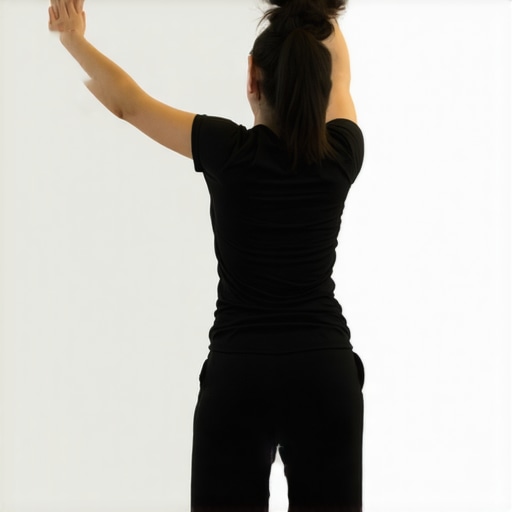
It hit me one afternoon while I was slouched over my desk, shoulders rounded and neck creeping forward—how often I’d ignored a simple truth about my own posture. That persistent tension in my upper back, the kind that makes every move feel awkward, was my body’s silent scream for help. And amidst countless stretches and adjustments, I finally stumbled upon a game-changing move I now call the “Wall Slide”—a quick fix I wish I knew years ago. Have you ever felt that nagging ache after sitting too long, or the stiffness that just won’t go away no matter what you try? If so, you’re not alone. I’ve been there too, and I know how frustrating it can be to feel stuck in this cycle. But here’s the good news: there’s a straightforward technique I can share that has brought me immediate relief and can do the same for you.
Why the Wall Slide Could Be Your Posture’s Best Friend
So, why should you care about this move? Because good posture isn’t just about looking confident—it’s about feeling comfortable and avoiding chronic pain. Poor alignment can lead to nagging discomfort, reduced mobility, and in some cases, long-term injury. Early on, I made the mistake of dismissing my posture issues as ‘minor’ problems, only to regret it when back pain started interfering with my daily life. I learned that small adjustments can yield big results, especially when they’re easy to do anywhere, anytime. Interestingly, research shows that even brief internal corrections to posture can significantly reduce pain and improve mobility (source: The Link Between Mobility and Posture). That’s why I’m so passionate about sharing practical strategies like the Wall Slide. But before diving into how to do it, let me address one common concern that might be holding you back.
Is this really worth trying, or just another gimmick?
As someone who’s tried everything from massages to costly adjustments, I can tell you that this move is straightforward, proven, and immediate. The only mistake I made early on was thinking I could “push through” my pain or ignore the signals my body was sending. Believe me, ignoring these signs only made things worse. Now, I approach pain as a warning, and simple movements like the Wall Slide help me listen and respond before it becomes a chronic problem. Ready to see how this little trick can make a big difference? Let’s get into the technique.
Getting into Position with Precision
Begin by standing with your back against a clear wall. Feet shoulder-width apart, about 2 feet from the wall. Keep your heels, buttocks, upper back, and head in contact with the surface. Think of your body as a puppet gently pressed against a wall—every part should touch for maximum support. I remember one busy afternoon when I practiced this in my office, noticing how even a few seconds of correct alignment alleviated the tension in my shoulders. The key here is consistency: The more you familiarize your body with proper positioning, the more natural it becomes, reducing strain over time.
Engaging the Shoulder Blades for Optimal Mobility
Slowly raise your arms, bending your elbows to around 90 degrees, as if you’re about to give a big hug. Keep your elbows and wrists pressed into the wall, imagining you’re holding a tray balanced on your forearms. As I attempted this, I noticed that my shoulder blades began to slide together naturally. This movement activates the serratus anterior and surrounding muscles—crucial for shoulder health. During my session, I kept the motion controlled, emphasizing the feeling of deliberate muscle engagement rather than rushing through. This approach prevents compensations and targets the correct tissues to mobilize your upper back effectively.
Moving Through the Range, Building Flexibility
From the initial position, slowly slide your forearms upward, aiming to straighten your elbows as much as possible without losing contact with the wall. Then, reverse the movement, lowering your arms back to the starting position. I admit, my first attempts looked a bit messy—arms wobbling and shoulders jerking—but persistence led to noticeable improvements. This sliding motion gently encourages shoulder mobility and encourages correct posture alignment. The pace is vital: Moving slowly ensures you engage the right muscles and avoid compensatory tension elsewhere, making each repetition work smarter, not harder.
Breathing and Repetition for Lasting Impact
Sync your breathing with the movement—inhale as you slide up, exhale as you slide down. This rhythm not only calms your nervous system but enhances muscle activation. Start with two sets of ten repetitions, gradually increasing as your mobility improves. I found that incorporating this into my daily routine, even during a quick break, made a difference. It’s simple, effective, and can be done virtually anywhere—office, home, or travel. Over time, this technique became integral to my posture maintenance, reducing the discomfort I once thought inevitable.
Remember, consistency is your greatest ally. Regular practice of the Wall Slide can transform stiffness into mobility and discomfort into comfort, guiding you toward a healthier, more resilient posture.
Many people believe that chiropractic adjustments are only about cracking bones or realigning a misaligned spine. However, this simplistic view overlooks the complex and nuanced approach needed for effective posture improvement and mobility. One common misconception is that adjustments provide instant, permanent fixes, but in reality, they often serve as part of a broader strategy involving targeted mobility exercises and lifestyle modifications.
Another myth is that posture correction is solely about visual alignment. While appearance matters, true health benefits come from addressing muscular imbalances, joint restrictions, and neural tension. For example, improperly performed adjustments or neglecting surrounding tissues can lead to compensatory patterns, which may worsen discomfort over time. That’s why choosing a skilled practitioner who understands the intricacies of functional movement is crucial.
Why do many advanced practitioners emphasize mobility before adjustments?
Because restoring optimal movement patterns often makes adjustments more effective and longer-lasting. Focusing solely on spinal clicks without considering muscle flexibility, joint function, and movement habits can lead to flawed results or temporary relief. According to a study published in the Journal of Manipulative and Physiological Therapeutics, combining chiropractic care with mobility and stability exercises enhances outcomes significantly compared to adjustments alone (source).
Furthermore, many clients mistakenly assume that postural issues are solely caused by structural problems. In fact, habits such as prolonged sitting, poor ergonomics, and repetitive movements contribute heavily to misalignments and soft tissue restrictions. Addressing these factors through lifestyle modifications and specific mobility drills, as outlined here, often yields better long-term results.
One trap to watch out for is the tendency to seek quick fixes or shortcuts—like excessive stretching or aggressive cracking—that might temporarily relieve symptoms but do nothing to correct underlying dysfunctions. Over time, these can reinforce faulty movement patterns or cause microtrauma.
Paying attention to these nuances is the hallmark of truly effective care. For example, understanding that proper joint mobility depends on both cartilage health and muscular balance helps you avoid superficial solutions and focus on multi-faceted strategies. As I always recommend, regular assessments and personalized plans that incorporate chiropractic adjustments, mobility work, and ergonomic improvements lead to sustainable improvements in posture and function.
Are you making any of these common mistakes? Let me know in the comments and explore more advanced strategies here or contact us to customize your approach.
Maintaining Your Progress with the Right Equipment and Techniques
After dedicating time to improve your posture and mobility, the next step is ensuring these gains are long-lasting. Personal tools and consistent routines play a crucial role in this journey. One device I personally recommend is a foam roller. I use it daily to release my upper back and hip tightness, preventing regressions in mobility. Its versatility allows me to target specific areas that tend to tighten over time, such as the thoracic spine or the piriformis. Regular self-myofascial release with a foam roller keeps tissue pliable and supports spinal alignment.
Another invaluable resource is a posture corrector brace. I utilize an adjustable brace during work sessions to remind myself of proper alignment—especially when I’m engrossed at my desk. This isn’t about dependency but about retraining muscle memory. Over weeks, I found that wearing it helped reduce the tendency to slouch, reinforcing good habits even without the brace.
In terms of software, I recommend using a posture tracking app like posture-focused apps. These tools prompt regular posture checks and exercises, especially during long periods of sitting. I incorporate these reminders into my routine to stay conscious of my alignment, facilitating instant corrections and preventing bad habits from taking root.
For long-term results, integrate periodic professional assessments with your DIY tools. Scheduling quarterly check-ins with a chiropractor can help fine-tune your approach. When combined with your personal maintenance toolkit, these visits ensure you’re on the right track. An external study highlights that ongoing care and targeted mobility exercises significantly outperform sporadic adjustments alone (source).
How do I Keep My Posture Healthy Year After Year?
The future of posture maintenance is leaning heavily toward technology and smart equipment. Wearable sensors that monitor spinal alignment are emerging, providing real-time feedback directly to your smartphone. I predict that within the next few years, these innovations will become more affordable and integrated into daily lifestyles, empowering us to prevent issues before they develop. For now, combining manual tools like foam rollers and braces with ongoing professional help remains the most effective strategy.
Remember, consistency beats intensity—regularly using these tools and habits ensures sustained progress. I challenge you to pick one piece of equipment mentioned here, like the foam roller or posture app, and incorporate it into your daily routine this week. The small investment can make a big difference in your posture longevity.
If you’re interested in personalized recommendations or want to explore more about maintaining optimal mobility, do not hesitate to reach out. Staying proactive today sets the foundation for pain-free living tomorrow.

The Hardest Lesson I Learned About Posture and Mobility
One of the most eye-opening insights I encountered was realizing that quick fixes like superficial stretching or relying solely on adjustments often only mask symptoms rather than address root causes. I discovered that true progress requires patience, consistent effort, and a willingness to look deeper into habits and movement patterns. This meant embracing mobility exercises like the Wall Slide not just as an occasional activity, but as an essential daily ritual that trains my body to maintain proper alignment autonomously.
My Top Tools for Lasting Posture Gains
Over time, I’ve come to trust specific tools that reinforce good posture habits. A high-quality foam roller has been invaluable for releasing muscular tightness, especially in my upper back and hips, ensuring tissues stay pliable and support proper spinal positioning. Additionally, an adjustable posture corrector brace serves as a gentle reminder during long work hours, helping to retrain my muscle memory without dependency. Lastly, posture tracking apps provide real-time feedback, nudging me to correct my alignment throughout the day. These resources combined create a comprehensive system that sustains my mobility efforts.
Your Next Step Toward Pain-Free Movement
Remember, mastering posture isn’t about perfection—it’s about progress and persistence. Each small adjustment, every mindful movement, brings you closer to a healthier, more resilient you. I encourage you to identify one habit or tool from this journey—be it daily Wall Slides, ergonomic tweaks, or tech aids—and commit to it this week. Your body will thank you in echoes of reduced discomfort, increased mobility, and renewed confidence. So, what’s one step you’ll take today to improve your posture and embrace a pain-free future?{